
Polycystic Ovary Syndrome, or PCOS, has become one of the most talked-about health issues among young women in Bangladesh, without much noise. Doctors in Dhaka, Chattogram and smaller districts are seeing a steady rise in cases, particularly among teenage girls and women in their twenties. What was once a condition seldom discussed in Bangladeshi homes is now becoming more and more common in gynaecology clinics.
This is not just a matter of better diagnosis (although that is part of it). Sedentary lifestyles, processed food consumption, rising obesity rates and chronic stress are coming together to make the perfect storm for hormonal imbalance in young women. And knowing what PCOS is, why it is spreading and how to deal with it has now become a must-read for Bangladeshi women and families.
What is PCOS?
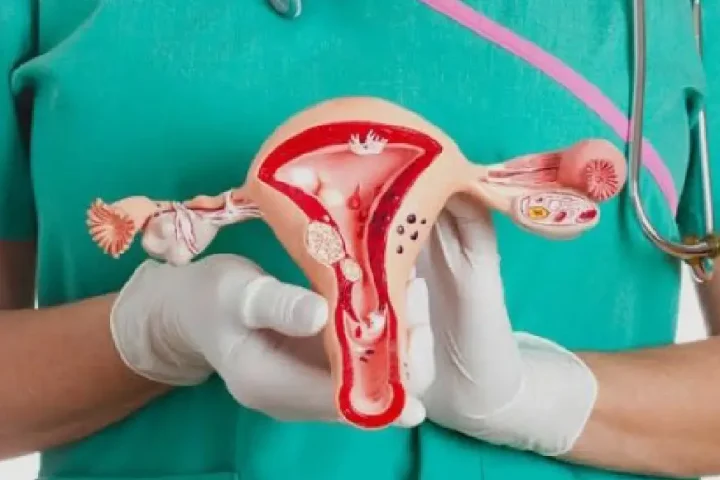
PCOS is a hormonal disorder affecting the ovaries of women. Women with PCOS often have irregular or missed periods, high levels of male hormones (androgens), and many small fluid-filled sacs (follicles) in their ovaries. It’s one of the most common endocrine disorders affecting women of reproductive age, and its effects go way beyond irregular cycles, reaching fertility, metabolism, skin health, and mental well-being.
The Toll on Mental Well-being
PCOS has a significant impact not only on the body but also on mindsets and emotions. A nationwide study of Bangladeshi PCOS patients showed that:
- 88% have general anxiety disorder.
- 71% struggle with severe loneliness.
- 60% have depression.
The mental health struggles are often connected to normal things like weight gain, financial stress, diet, exercise habits and even birth control, the researchers found.
Why More Young Women Are Diagnosed
Lifestyle and Dietary Changes: Urbanisation has altered the way young Bangladeshis eat and move. In cities, fast food, sugary drinks and refined carbs have become part of everyday life. Physical activity has decreased because of desk jobs, screen time and less outdoor play.
Rising Obesity Rates
PCOS is linked to obesity and insulin resistance. As waistlines expand in younger populations, so does the risk of hormonal disruption.
Chronic Stress
Academic pressure, career competition, and social expectations can all lead to higher cortisol levels in young women, which can throw off the balance of reproductive hormones.
Genetics and Family History
PCOS tends to run in families. Women with a mother or sister with PCOS are more likely to develop it themselves.
Increased Awareness and Screening
Part of the rise in diagnosis is a good thing; women are more likely to go to a gynaecologist for irregular periods, acne or unwanted hair growth, rather than dismissing these as normal, and many more clinics are screening for PCOS, using the updated international guidelines.
Discover More Stories Worth Your Time
Heading: How Can You Create a Professional CV for BDJobs?
Learn the key steps to build a job-winning CV.
Heading: How Can You Apply for the ৳1,300 Monthly Stipend Scheme?
Check eligibility, documents, and the application process.
From Dhaka to Anywhere: Best Apps for Finding Budget-Friendly Flights
Heading: Which Apps Help You Find the Cheapest Flights from Dhaka?
Compare top travel apps to save on airfare.
Heading: How Can Flood Victims Claim FREAP Financial Assistance?
Learn who qualifies and how to apply for government aid.
Heading: Why Is Thrift Shopping Becoming So Popular in Bangladesh?
Discover why more shoppers are choosing pre-owned fashion
Common Symptoms of PCOS
| Symptom Category | What to Look For |
| Menstrual Irregularities | Missed periods, infrequent periods, or unusually heavy bleeding |
| Skin & Hair Changes | Acne, oily skin, excess facial or body hair (hirsutism), thinning scalp hair |
| Weight-Related | Difficulty losing weight, weight gain around the abdomen |
| Fertility Issues | Difficulty conceiving due to irregular or absent ovulation |
| Metabolic Signs | Insulin resistance, dark skin patches (acanthosis nigricans) around neck or armpits |
| Mental Health | Anxiety, mood swings, low self-esteem, depressive symptoms |
| Ovarian Findings | Enlarged ovaries with multiple small follicles, visible on ultrasound |
Diet Chart for Managing PCOS
Diet won’t cure PCOS, but the right eating pattern can meaningfully improve insulin sensitivity, hormone balance, and weight management. This is a general framework and should be tailored by a professional to meet individual needs.
| Meal | Recommended Foods | Foods to Limit |
| Early Morning | Warm water with lemon, soaked almonds (4–5 pieces) | Sugary tea, packaged juice |
| Breakfast | Vegetable oats, boiled eggs, whole wheat roti with sabzi, or moong dal chilla | White bread, parathas fried in excess oil, sugary cereals |
| Mid-Morning Snack | Seasonal fruit (apple, guava, papaya), a handful of nuts | Biscuits, chips, sweetened yogurt |
| Lunch | Brown rice or red rice (moderate portion), fish or chicken curry with less oil, mixed vegetables, dal, salad | White rice in large portions, fried items, excess ghee/oil |
| Afternoon Snack | Green tea or lemon tea, roasted chana, sprouts salad | Fried snacks (piyaju, beguni), carbonated drinks |
| Dinner | Grilled fish or chicken, steamed vegetables, small portion of roti or rice | Heavy, late-night meals, dessert-heavy dinners |
| Before Bed | Warm milk with turmeric (if tolerated) | Sugary drinks, caffeine |
General Diet Principles for PCOS
Eat low-glycemic index foods (whole grains, legumes, most vegetables) instead of refined carbs and sugar.
- Add protein to each meal to help stabilise blood sugar.
- Instead of deep-fried food, eat healthy fats like fish, nuts and mustard oil in moderation.
- Drink plenty of water. Avoid sweetened drinks like sweet tea, which is common in Bangladeshi homes.
- Eat regularly to help regulate insulin.
PRECAUTIONS
PCOS can’t always be fully prevented, particularly if genetics are involved, but there are a few things that can help decrease risk and reduce the symptoms:
Keep a healthy weight
In overweight women with PCOS, losing 5 to 10% of body weight may restore ovulation and improve symptoms.
Regular exercise
Aim for at least 30 minutes of moderate activity most days. Brisk walking, cycling or home workouts can all help improve insulin sensitivity.
Limit processed sugar and refined carbs. They spike blood sugar and worsen insulin resistance, a key driver of PCOS.
Stress management
Yoga, meditation or just consistent sleep can help regulate cortisol and reproductive hormones.
Get plenty of sleep
- Poor sleep patterns are directly linked to worsening metabolic and hormonal symptoms.
- Irregular periods
- Don’t ignore this! If you are having consistently irregular periods, particularly if you are a teen, don’t ignore it. You should see a gynaecologist.
- Regular screenings for blood sugar, cholesterol and hormone levels as part of routine health checkups can aid in early detection of PCOS-related complications.
Create support systems
Since there is a strong association between PCOS and anxiety and depression among Bangladeshi patients, emotional support from family or counselling services is as important as treatment in the physical sense.
When to Consult a Doctor
If you are a young woman and have been having irregular periods for several months, sudden weight gain, excessive hair growth, persistent acne or difficulty conceiving, you should see a gynaecologist. Early diagnosis allows for better long-term management of fertility, metabolic health and emotional wellbeing.
Summary
More young women in Bangladesh are being diagnosed with PCOS due to lifestyle shifts, obesity, and better awareness. Here’s what causes it, how to manage it with diet, and practical prevention steps for long-term reproductive health.