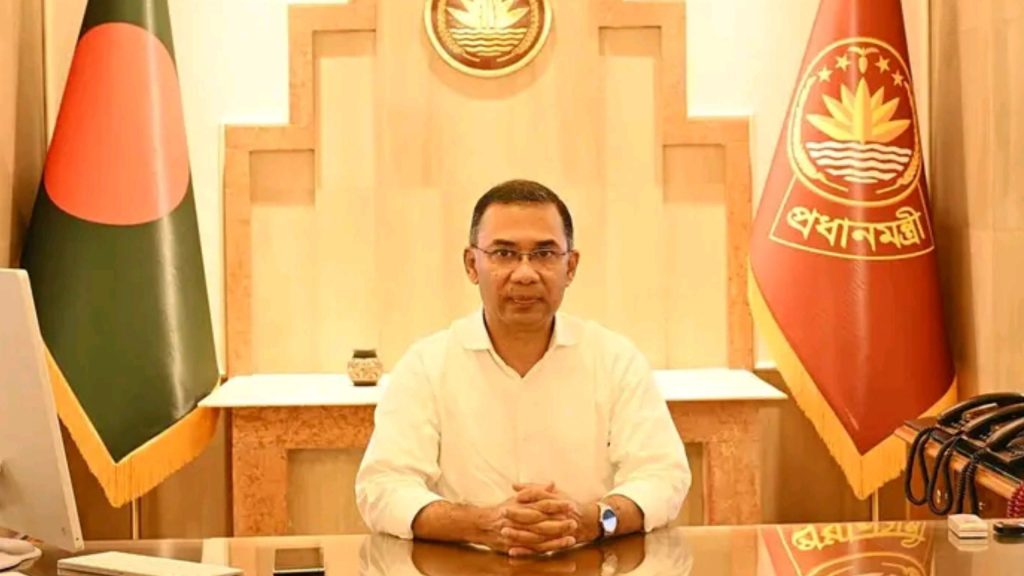
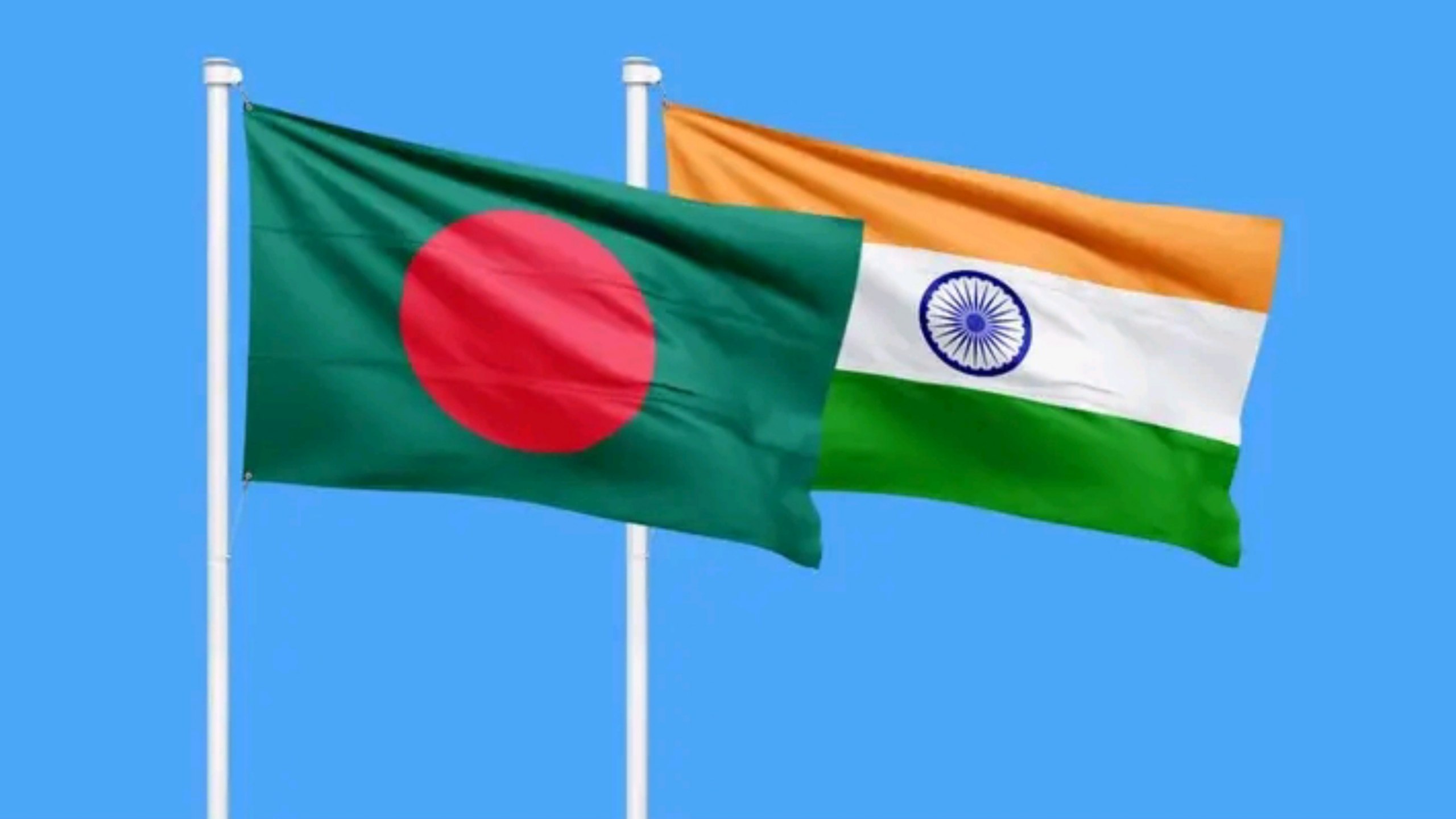
While Bangladesh’s foreign ministry spent the weekend publicly linking Prime Minister Tarique Rahman’s possible India visit to New Delhi’s response on Sheikh Hasina’s extradition, a very different kind of Indian delegation touched down in Dhaka on August 17.
An 18-member business delegation from the Confederation of Indian Industry began a two-day visit aimed not at resolving political grievances but at quietly advancing something both governments say they still want: deeper trade and investment ties. The timing raises an obvious question. Can commerce keep moving forward even while diplomacy stalls, or will the same tensions eventually catch up with the business relationship too?
What The Delegation Is Actually Doing
CII sent formal letters on August 10, the same day Rahman met with India’s newly appointed High Commissioner Dinesh Trivedi and raised the Hasina extradition issue directly, requesting meetings with Bangladesh’s Industries, Textiles and Jute, and Commerce Minister Khandakar Abdul Muktadir and Bangladesh Investment Development Authority Executive Chairman Chowdhury Ashik Mahmud Bin Harun.
CII Director General Chandrajit Banerjee asked specifically to call on officials on August 18, seeking their guidance and vision for advancing trade, investment, and commercial engagement between the two countries. Beyond those meetings, the delegation is also scheduled to engage with State Minister for Foreign Affairs Shama Obaed, Finance and Planning Minister Amir Khosru Mahmud Chowdhury, and the Federation of Bangladesh Chambers of Commerce and Industry. An advance team had already arrived in Dhaka ahead of the main delegation to prepare for the visit, according to FBCCI and CII officials.
A Relationship Already Under Strain
CII’s own framing of the visit does not shy away from the difficult backdrop. Bangladesh-India business ties have been affected over the past two years by port restrictions imposed by both sides, restrictions that have made cross-border trade logistics measurably harder even as both countries continue to describe each other as key economic partners.
According to CII, Bangladesh remains India’s largest trading partner in South Asia, while India is Bangladesh’s second-largest trading partner in Asia, with bilateral trade totalling around 13.5 billion US dollars in the 2024-25 fiscal year. That scale of existing commercial activity is precisely what gives business diplomacy its own logic, separate from the political disputes playing out over extradition requests and border security. Billions of dollars in trade do not pause simply because political relations have soured, but they can be slowed, complicated, or made more expensive by exactly the kind of restrictions both sides have imposed in recent years.
The Case CII Is Making For Deeper Ties
This visit builds on groundwork CII laid earlier in the year. In May 2026, CII Senior Vice President Pankaj Tandon told a visiting Bangladeshi media delegation in New Delhi that a proposed Comprehensive Economic Partnership Agreement between the two countries could meaningfully expand trade by moving beyond goods alone to cover services, investment facilitation, technology collaboration, and skills development.
Tandon argued there was strong alignment between Bangladesh’s “Bangladesh First” economic strategy under its new government and India’s own development trajectory, pointing to Indian expertise in digital public infrastructure, fintech, renewable energy, and manufacturing as areas that could support Bangladesh’s economic transformation. He described economic cooperation as the backbone of the bilateral relationship, and said expanding market access, reducing non-tariff barriers, and improving border infrastructure could meaningfully boost trade regardless of the political weather.
Two Tracks Moving At Different Speeds
What makes this week’s visit notable is how starkly it contrasts with the political track running in parallel. Just days before the delegation’s arrival, Dhaka’s foreign ministry said Rahman’s own prospective visit to India had been vitiated by Hasina’s August 5 press appearance in New Delhi, and explicitly tied any improvement in the atmosphere to India acting on both the Hasina extradition request and the handover of men accused of killing student leader Sharif Osman Hadi.
Against that backdrop, a business delegation quietly working through ministry meetings on trade facilitation and investment looks almost like a separate relationship entirely, one where both sides have incentive to keep making progress even while the political relationship remains publicly unresolved. Some visa services between the two countries have also gradually resumed since early 2026, another sign that practical, lower-profile channels of engagement have continued moving even as headline diplomatic issues stay stuck.
Discover More Stories Worth Your Time
Find Which Airport Hotels Fit?
Discover convenient hotels near Dhaka Airport for short layovers and overnight stays.
Learn How Rohingya Youth Lead?
Explore how young Rohingya are advancing education and gender equality in refugee camps.
Explore Why Colombia Declared Emergency?
Discover what the powerful earthquake means for Colombia and the latest emergency response.
Check Why Jaya’s Sarees Trend?
Discover why Jaya Ahsan’s elegant saree looks continue captivating fans online.
See Where Hasina’s Crisis Leads?
Explore the accountability debate surrounding Hasina, India, and Bangladesh’s political future.
Whether Business Diplomacy Can Actually Bridge The Gap
History offers a mixed answer to whether trade delegations can meaningfully offset political strain between neighbours with as complicated a relationship as Bangladesh and India’s. Commercial ties have generally proven more resilient than political ones in this relationship, continuing to grow even through periods of diplomatic tension, but they have not been entirely insulated from it either, as the two years of port restrictions demonstrate.
What the CII visit really tests is whether that resilience can be actively reinforced through sustained business-to-business engagement, potentially building enough economic interdependence and goodwill that it eventually creates pressure for progress on the harder political questions, or whether the two tracks will simply continue running in parallel, each moving according to its own logic, until Dhaka’s specific conditions on Hasina and Hadi are addressed one way or another.