Bangladesh sits firmly in the tropics, so its winter never turns harsh, but the mild, dry months between November and February transform the country into its most comfortable travel window.
Humidity drops, skies clear, and both the hill tracts and coastal beaches become genuinely pleasant to explore rather than punishing. For travellers weighing where to go this season, Bangladesh offers two very different but equally rewarding options: misty hill escapes in the northeast and southeast, or open, breezy beach getaways along the Bay of Bengal.
Sreemangal And The Tea Gardens Of Sylhet
Often called the tea capital of Bangladesh, Sreemangal is where rolling plantations meet cool winter air, making this the ideal season to walk through its estates and see the harvest at its busiest.
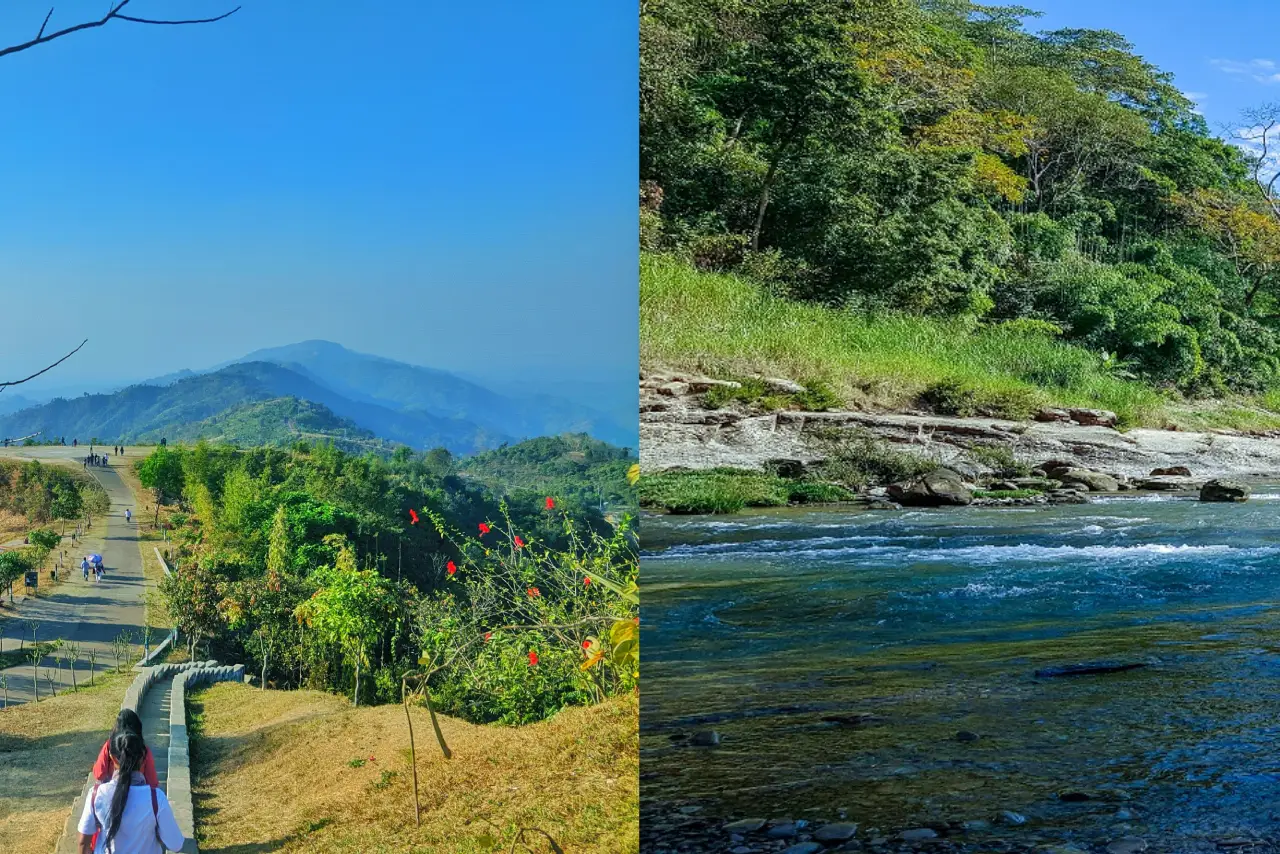
Nearby, Lalakhal in Jaintiapur draws visitors for its strikingly blue canal water, framed by small hills that look especially dramatic on a clear winter morning with a light layer of mist still hanging over the water. Sylhet more broadly offers waterfalls such as Jaflong and the unusual, partially submerged Ratargul Swamp Forest, both far more accessible and scenic once the monsoon rains have passed.
Bandarban And The Chittagong Hill Tracts
For travellers who want elevation and a slower pace, the Chittagong Hill Tracts remain Bangladesh’s most captivating mountainous region. Bandarban in particular is known for clear winter trekking conditions, when trails that would be slick and difficult during the rainy season become genuinely walkable, opening up panoramic views across the hills.
Sajek Valley, often described as the roof of Bangladesh for its elevation and cloud cover, is another popular winter draw for travellers seeking cooler air and a dramatic hilltop setting.
Rangamati For A Quieter Hill Station Experience
Rangamati offers a gentler alternative to Bandarban’s more strenuous trekking routes, built around Kaptai Lake and a landscape of gentle hills rather than steep climbs.
Winter is widely considered the best time to visit, since the cooler, drier weather makes boat trips across the lake and short hikes through the surrounding hills far more comfortable than during the humid summer months.
Cox’s Bazar For Classic Beach Travel
Cox’s Bazar remains Bangladesh’s most popular coastal destination, anchored by the world’s longest natural sea beach, stretching roughly 120 kilometres along the coastline. Winter is peak season here, when calmer seas and dry weather make beach days, sunset walks, and the Marine Drive coastal road particularly appealing. The area’s beachfront resorts, seafood markets, and views of traditional fishing communities give visitors a mix of relaxation and local culture in a single trip.
Kuakata For A Quieter Beach Alternative
Travellers looking to avoid Cox’s Bazar’s winter crowds often turn to Kuakata instead, a beach known for offering unobstructed views of both sunrise and sunset over the Bay of Bengal from the same stretch of sand, a rare feature among Bangladesh’s coastal spots. Beyond the beach itself, the nearby Gangamati reserved forest takes on a particularly atmospheric look in winter, and a short visit to Fatrar Char or the local Buddhist temple adds a quieter, more reflective stop to the trip. As with Cox’s Bazar, accommodation fills up quickly during peak winter months, so early booking is worth planning for.
Saint Martin’s Island For A Coastal Getaway With A Limited Window
Saint Martin’s Island, Bangladesh’s only coral island, is only accessible by ship during a specific window that runs from early November through March, making winter essentially the only season to visit at all.
The island’s calm blue lagoon and relatively undeveloped landscape draw large numbers of visitors during this short stretch, so travellers hoping to see it should plan their trip well within that window rather than waiting until the season is nearly over.
Discover More Stories Worth Your Time
Explore Why Colombia Declared Emergency?
Discover what the powerful earthquake means for Colombia and the latest emergency response.
Check Why Jaya’s Sarees Trend?
Discover why Jaya Ahsan’s elegant saree looks continue captivating fans online.
See Where Hasina’s Crisis Leads?
Explore the accountability debate surrounding Hasina, India, and Bangladesh’s political future.
Find Which Airport Hotels Fit?
Discover convenient hotels near Dhaka Airport for short layovers and overnight stays.
Sundarbans For A Winter Wildlife Safari
Winter is also the preferred season for boat safaris through the Sundarbans, the world’s largest mangrove forest and home to the Royal Bengal Tiger. Cooler temperatures and calmer waterways make for more comfortable multi-day boat trips, and wildlife visibility tends to improve as the dense monsoon vegetation thins out, giving visitors a better chance of spotting deer, crocodiles, and the forest’s varied birdlife along the riverbanks.
Planning Around The Season
Whichever destination travellers choose, winter’s appeal in Bangladesh comes down to the same underlying shift: lower humidity, clearer skies, and weather that makes both strenuous hill trekking and long beach days far more enjoyable than during the rest of the year.
With tourism infrastructure steadily improving across the country, from better road access to the hill tracts to more organised tour packages for the Sundarbans and southern islands, winter remains the season when Bangladesh’s natural landscapes, hill and coast alike, are most worth experiencing firsthand.