
If you’ve been diagnosed with PCOS, you’ve probably already Googled it at 1 am, read ten conflicting articles, and closed your laptop feeling more confused than when you started. That’s normal. PCOS is one of those conditions that looks different on everyone, and the advice out there can feel like a lot of noise. So let’s cut through it a bit.
First, what’s actually going on
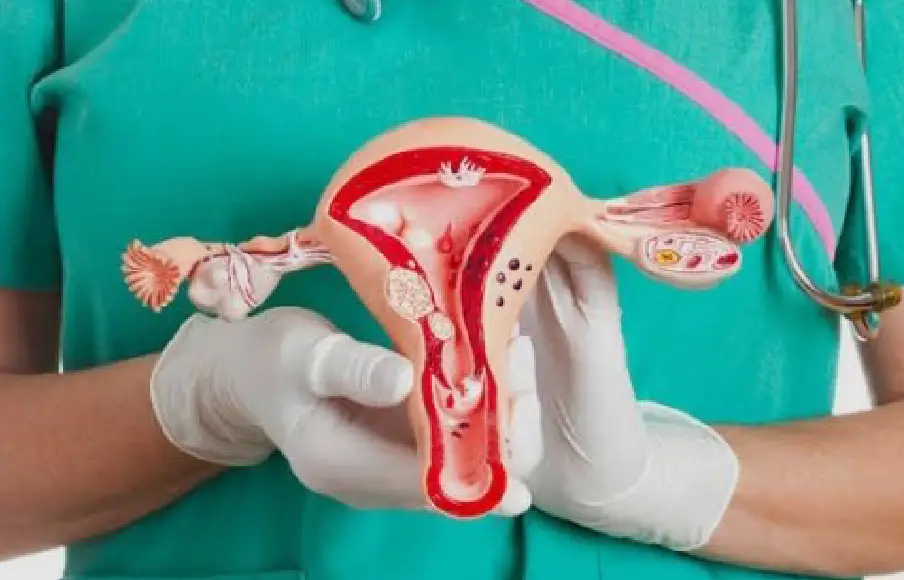
PCOS is a hormonal condition — it messes with ovulation, often raises androgen levels, and frequently comes with some degree of insulin resistance. In practice, that can show up as irregular periods, acne that won’t quit, hair where you don’t want it (and thinning where you do), weight that feels stubborn no matter what you try, or trouble getting pregnant. Some people get one or two of these. Some get all of them. There’s no “typical” case, which is honestly part of what makes it so frustrating to manage.
Find a doctor who actually listens
This matters more than people admit. A lot of women get dismissed or told to “just lose weight” without any real investigation. A good starting point is bloodwork and an ultrasound to confirm what’s happening in your body, then a conversation about options — birth control to regulate cycles, medication like metformin if insulin resistance is a factor, or targeted treatment for acne or hair growth. PCOS also quietly raises your risk for things like type 2 diabetes and heart issues down the line, so it’s worth having someone keeping an eye on the bigger picture, not just the symptom in front of you that day.
Food and movement — without the diet culture baggage
Because blood sugar swings can make PCOS symptoms worse, eating in a way that keeps things steady tends to help — more whole foods and fibre, fewer ultra-processed snacks, protein with your meals instead of just carbs on their own. This is not a call to go on some restrictive plan. Honestly, restriction tends to backfire with PCOS anyway. Movement helps too, and it doesn’t need to be intense — a daily walk or a couple of strength sessions a week can improve insulin sensitivity more than people expect. Consistency beats intensity here, every time.
Sleep and stress aren’t side notes — they’re part of it
This one gets skipped a lot, but cortisol and reproductive hormones are tangled up together. Bad sleep and constant stress can make everything else — the cravings, the skin, the mood — harder to manage. You don’t need a perfect wellness routine. Just protecting your sleep and finding one or two things that genuinely help you decompress (therapy, journaling, a walk outside, whatever it actually is for you) makes a real difference over time.
The emotional side is real too
Acne, hair changes, weight fluctuations — these aren’t just physical symptoms; they affect how you feel about yourself. That’s worth naming. If you’re struggling with your mental health around this, that’s not vanity; that’s a legitimate part of living with a chronic condition, and it deserves support — whether that’s a therapist, a dermatologist, or just finding other people who get it.
Give yourself some grace
PCOS isn’t linear. What works for you at 25 might not work at 35, and that’s okay — bodies change, and so will your approach. The goal isn’t to “beat” PCOS or force your body into some ideal. It’s to build a rhythm that actually works for your life, and to be patient with yourself while you figure it out.