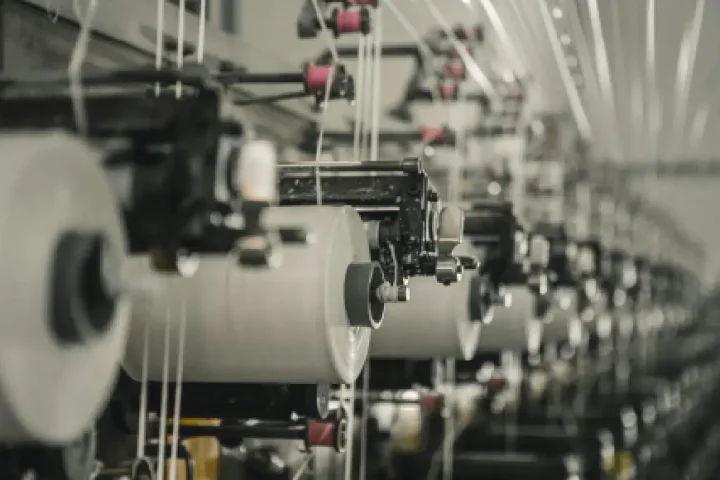
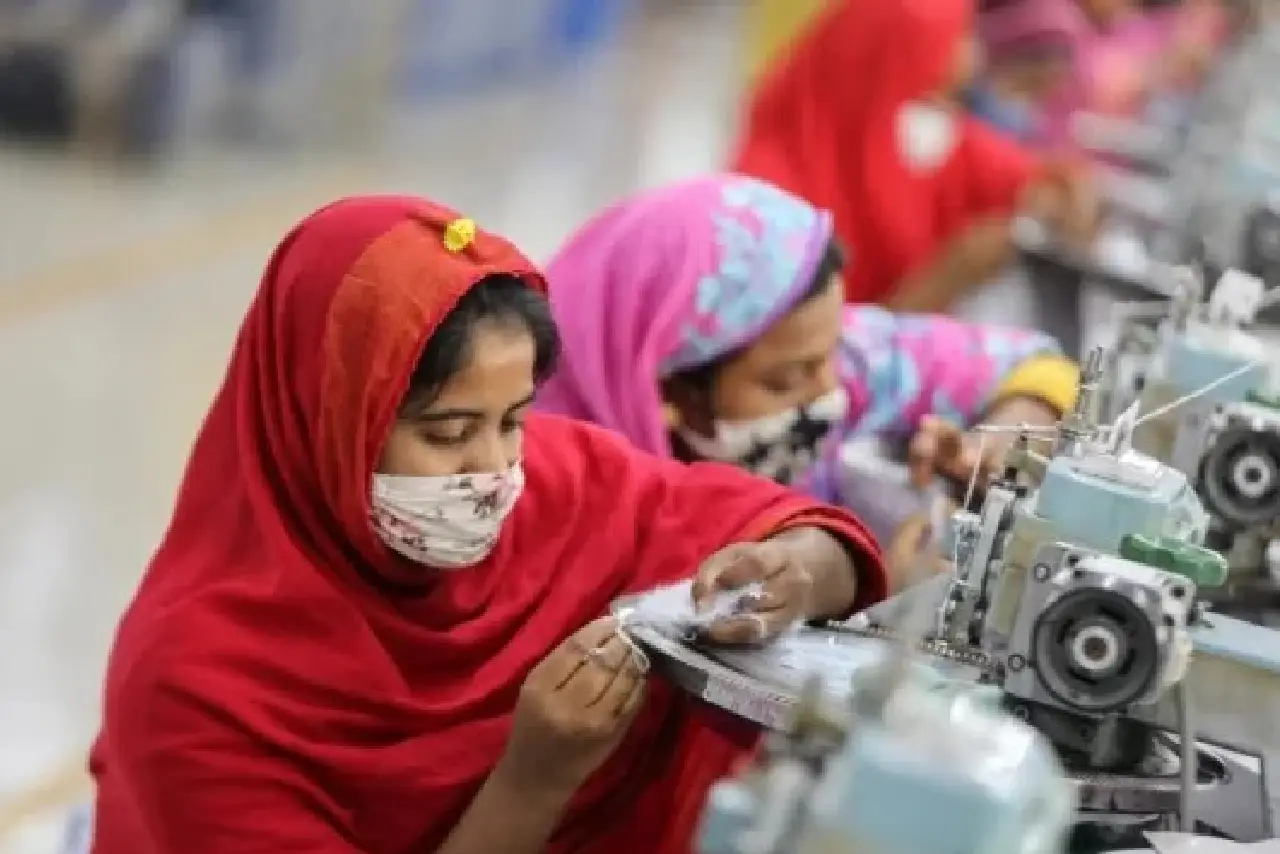
The bigger garment hub of Gazipur in Bangladesh is in bad shape. One plant after another has closed in recent months, leaving thousands of workers without a paycheck and wondering what the future has in store for them. The unpaid salary crisis is not just a local problem for a district that drives the country’s ready-made garment (RMG) exports, but the whole economy.
What is happening in Gazipur?
A number of garment factories in Gazipur have shut down over the past few months, some permanently, others temporarily. In a recent case, five factories of the Lithi Group located in Bagher Bazar were closed indefinitely, leaving some 2,500 workers jobless and without their promised May salaries. Workers formed a human chain on the Dhaka-Mymensingh highway demanding their wages. In another case, Board Bazar’s Unique Washing & Dyeing and Unique Designers Ltd were closed down for good, and 1,800 workers were worried about their dues that they were not paid fully despite a previous agreement.
The Industrial Police said dozens of factories have been closed in Gazipur, Narayanganj-Narsingdi and Savar-Ashulia in recent months, leaving tens of thousands of workers without jobs. Gazipur, the nation’s biggest RMG hub with more than a thousand registered factories, has been the worst hit.
Why are factories closing in Bangladesh?
Several reasons keep cropping up:
•Gas and power supply disruptions stopping production
•Falling export orders, rising input costs
•Cash Flow Problems Small & Medium Factory Owners
•Disagreements between employees and employers over the existing salary structure
•Delay in the new pay structure of the government
Owners of factories say financial pressure prevents them from making payments, while workers say management keeps making promises they never fulfil.
How they Pay their Workers
In this Gazipur garment crisis, the main outstanding dues are:
•Basic salary for one month or longer
•Festival allowance (Eid bonus)
•After some time
•Payment to the provident fund
•Women Employees Maternity Benefits
“Workers whose factories have closed down permanently are entitled to gratuity and other end of service benefits
Some workers said they had not been paid for months on end, with some protests citing arrears of more than a year.
What the Statute says
Under the Bangladesh Labour Act, 2006, salaries, provident fund and other benefits are not favours but legal rights. Dues in respect of wage payment sections shall be paid in time. An amendment to the law in 2026 decreased the number of workers that would trigger labour regulation, extending the law’s coverage to more factories. It also increased the penalty for non-compliance and reduced the time within which owners had to be prosecuted.
But enforcement in the field is uneven. Workers say owners are exploiting the Act’s Section 13(1) that allows factories to shut down on grounds of financial difficulty, to delay their payments even further.
Government and Institutional Response
The government has stepped in on some big cases. The government has assured direct payment of dues to Beximco Industrial Park after it shut down 14 units in Gazipur, leaving over 33,000 workers jobless. In another case, the government provided an interest-free loan to a shuttered factory to help clear arrears, but workers said the payout is still not complete months later.
Bangladesh Bank also has an important background role here, as the disbursement of wages in the RMG sector is increasingly through mobile financial services and bank accounts rather than cash. The workers must know…
Bangladesh Bank regulates the banks and mobile financial service providers through which the wages are paid.
Salary is usually disbursed through bKash, Nagad or bank transfer. Thus, it is important to maintain these accounts and connect them properly with your NID.
Wage settlements are generally reached through tripartite meetings involving workers, factory management and the Department of Inspection for Factories and Establishments (DIFE).
Checklist: What Workers Impacted Can Do
Keep your pay slips, appointment letter and ID card as proof of your employment. Report non-payment to the local Industrial Police or DIFE office in Gazipur.
Get organised support from the trade union in your factory or contact a federation such as the Bangladesh Garment Workers Trade Union Federation.
Attend tripartite meetings when called. Settlements are made there.
Checks for Vulnerable Groups: “Food program or other government relief program if you don’t have income, anddon’t sign any settlement papers until you know what you are owed.”
Keep your mobile banking account (bKash, Nagad, etc.) active, as most of the dues are paid through mobile banking.
Discover More Stories Worth Your Time
Heading: How Can Students Open a Bank Account in Bangladesh?
Learn the eligibility, documents, and account opening process.
Heading: What Does BERC’s Tariff Decision Mean for Consumers?
Find out how the new decision affects your electricity bill.
Heading: Is AB Bank Offering the Highest Fixed Deposit Rate?
Compare the latest FDR rate and investment benefits.
Heading: How Can You Pay Electricity Bills Online in Bangladesh?
Follow simple steps to pay your bill securely online.
Heading: How Can You Apply for a Bangladesh e-Passport Online?
Learn the registration process, fees, and status tracking.
Importance Outside Gazipur
The garment sector is a vital component of Bangladesh’s export economy. Unpaid wages continue, and closures not only affect the families of the workers directly, but impact the image of the country with international buyers who monitor labour conditions closely. The answer, union leaders have said time and again, is not case by case but a long-term fix to end this cycle of closures and unpaid dues.
FAQs
1. What is the crisis in the garment industry of Gazipur?
A number of factories have been closing in Gazipur for various reasons i, including cuts in gas supply, falling export orders, owners’ cash flow problems and disputes over wage structure.
2. What can a worker do if the factory is closed and doesn’t pay the salary?
Workers should report the closure to the Industrial Police or DIFE office and retain all pay slips and other employment documents. They should turn to their trade union for help. The normal way of settling disputes is by means of tripartite meetings of workers, owners and government officials.
3. When the factory closes, does the government pay the factory workers?
In some big cases, like the closure of the Beximco factory, the government has directly helped owners by paying or providing an interest-free loan to clear dues. But not every closed factory gets to count on this.
4. How is the payment of garment worker salaries being made now in Bangladesh?
Wages in most factories are paid through banks or mobile financial services like bKash and Nagad, which are regulated by Bangladesh Bank. Workers need to keep these accounts active and properly linked to get paid on time.
Summary:
Gazipur’s garment sector is facing a wave of factory shutdowns, leaving thousands of workers without salaries, bonuses, and provident fund dues. This article explains the unpaid salary crisis, its causes, worker rights under Bangladesh law, and steps for affected workers.