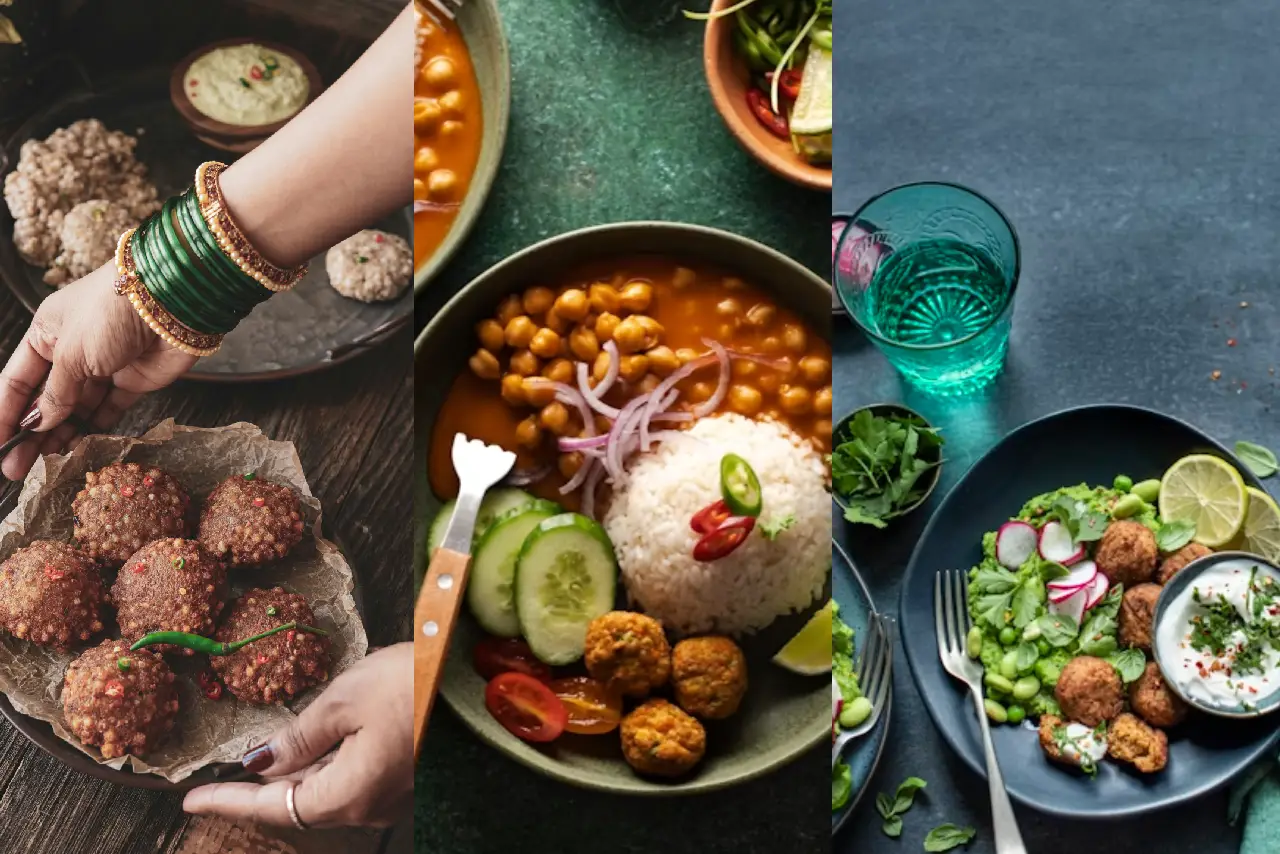
When the monsoon rain begins to pour outside, most Bangladeshi households crave something warm and comforting to eat. From the aroma of hot tea to the sound of oil sizzling for pakora, monsoon comfort food is a tradition in every home. This guide is about 5 healthy monsoon recipes that will help you satiate those cravings without weighing down your stomach or your health.
The significance of Monsoon Comfort Food
High humidity and lack of appetite are part of the monsoon but so is the craving for fried and spicy snacks. The trick is to enjoy monsoon comfort food the healthy way, with less oil, more vegetables and simple home-cooked methods. These monsoon recipes are healthy, easy on the pocket, quick to cook and perfect for rainy evenings with the family.
1. Onion Pakora (Piyaju) – The Healthful Way
Onion pakora is the most favorite rainy day snack in Bangladesh. Try this light version instead of deep frying in old oil.
- 2 medium onions, sliced thin
- Add 1 cup besan (gram flour), a pinch of turmeric, chopped green chilli and salt and mix
- Add a touch of rice flour for added crunch and less oil absorption
- Shallow fry in a non-stick pan with a little oil or air fry if you have an air fryer
- Serve hot with mustard sauce or tomato chutney.
This version uses less than half the oil of conventional deep-fried pakora, making it a smarter choice for everyday snacking.
2. Tomato Soup for Rainy Days
Light and warm tomato soup is rich in vitamin C, which helps fight off monsoon colds and flu.
- Boil 4-5 ripe tomatoes with garlic and a small piece of ginger
- When cool, blend to a smooth paste
- Cook the paste in a little butter or oil, season with salt, black pepper and a pinch of sugar.
- Simmer for 10 minutes and serve with toasted bread or crackers.
This soup is one of the easiest healthy monsoon recipes for busy families as it takes less than 20 minutes from start to finish.
3. Traditional Bangladeshi Kichuri
Kichuri is an essential part of any monsoon meal. This is pure comfort food, and it’s also a balanced one-pot meal.
- Wash and mix rice and moong dal in a 1:1 ratio
- Add turmeric, cumin, bay leaf and vegetables, chopped like potato, carrot, cauliflower
- Cook all together with water until softened and slightly thickened
- For taste, add tempering (bhuna) of onion, garlic and dry chilli in a little oil
Kichuri is naturally healthy as it is a one-pot meal of carbs and protein. Serve it with a fried egg or a beef bhuna for a full monsoon feast.
4. Spicy Zinger Tea
The most popular drink during the rain in Bangladesh is Zinger tea or ginger tea.
- Boil water with crushed fresh ginger for 5 min
- Add tea leaves and let it steep for 2-3 minutes
- Add milk for a creamier taste or keep it black for a lighter touch
- Sweeten with honey instead of sugar for an added health benefit
This tea is good for digestion and for preventing colds during humid and rainy weather.
Discover More Stories Worth Your Time
Heading: How Can You Report a Power Outage to BPDB Quickly?
Learn how to report outages and get electricity restored faster.
Heading: How Can You Apply for Government Disability Benefits?
Check eligibility, required documents, and application steps.
Heading: How Can Students Open a Bank Account in Bangladesh?
Learn the eligibility, documents, and account opening process.
Heading: How Can You Pay Electricity Bills Online in Bangladesh?
Follow simple steps to pay your bill securely online.
Heading: How Can You Apply for a Bangladesh e-Passport Online?
Learn the registration process, fees, and status tracking.
5. Traditional Ilish Bhapa (Steamed Hilsa)
Ilish Bhapa is the ultimate classic Bangladeshi monsoon delicacy. Since Hilsa is naturally rich in healthy omega-3 fatty acids, steaming it with minimal added oil makes it an incredibly nutritious and flavorful comfort dish.
- 4 pieces of fresh Hilsa (Ilish) fish, cleaned thoroughly.
- Make a smooth paste of 2 tablespoons of mustard seeds (shorshe), 2 green chillies, and a pinch of salt.
- Coat the fish pieces evenly with the mustard paste, a pinch of turmeric, and 1 tablespoon of raw mustard oil for that authentic aroma.
- Place the marinated fish in a heatproof lidded container or wrap it securely in a banana leaf.
- Steam in a steamer or a water bath for 15–20 minutes until the fish is tender and fully cooked.
- Serve hot alongside a comforting bowl of warm kichuri or plain steamed rice.
Frequently Asked Questions
1. Are these monsoon recipes for weight watchers?
Yes. All five recipes are lower in oil and higher in vegetables than the traditional versions, making them a great choice for anyone watching their weight but craving a little comfort food.
2. How to make onion pakoda without deep frying?
“Shallow frying in a non-stick pan or air fryer gives a similar crispy texture with much less oil, which is better for daily monsoon snacking.
3. Is kichuri good for an upset stomach in monsoon?
Yes, kichuri is light on the stomach and easy to digest, which is why it is often recommended during the monsoon season when the humidity can slow down digestion.
4. What is a healthy substitute for sugar in zinger tea?
Ginger tea is a healthier alternative to sugar and also helps to cure sore throats, which are common during the rainy season in Bangladesh.
Summary :
Rainy days in Bangladesh bring cravings for hot, comforting food. This guide shares 5 healthy monsoon recipes, including onion pakora, tomato soup, kichuri and zinger tea, with simple steps and local tips for every household kitchen.