Every year millions of families across Bangladesh wait with bated breath for the hilsa season when the country’s national fish turns the river silver. But by 2026, that wait has turned to shock. This year’s hilsa season has witnessed some of the highest prices in recent memory, leaving ordinary buyers wondering how to get a fair deal.
Why Hilsa Prices Have Soared So Much
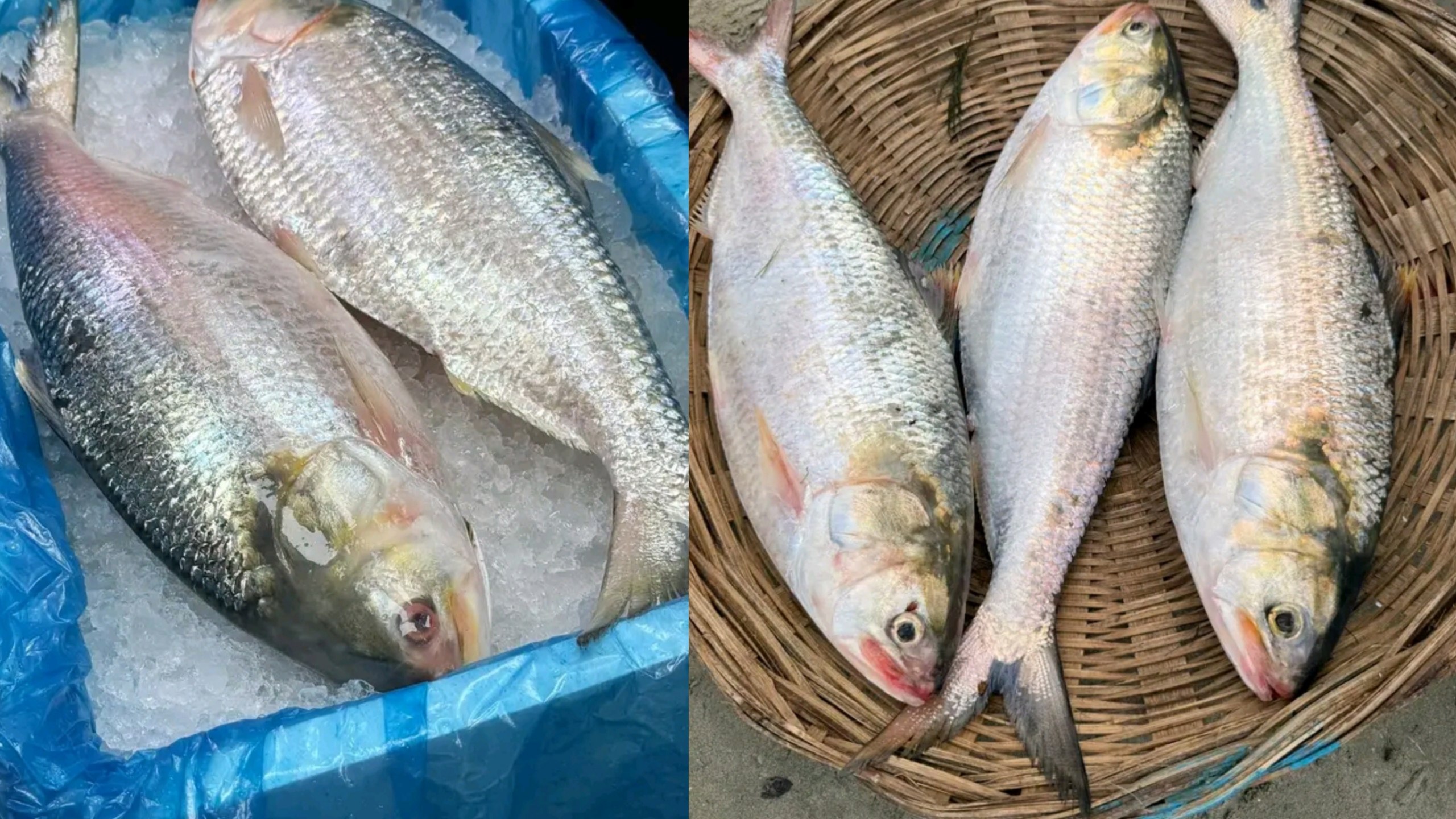
In Bangladesh, the peak hilsa catching period usually starts in July, but the hoped-for surge in supply simply did not materialise this year. The experts probing the shortfall found that the retail price of hilsa jumped to between 2,700 and 2,800 taka for one kilogram, compared to the 1,800 to 2,000 taka range of previous years. But researchers also saw something troubling beyond the price tag. The catch is shifting toward smaller fish, with fewer large, mature hilsa being caught.
Traders cite a combination of reasons, such as the reduction in river fishing and the rise in demand during festival periods. Large hilsa weighing 1.2 kg-1.5 kg was sold at 3,100-3,500 taka per kg in Dhaka markets even before the peak season, which was 2,700-3,000 taka just a few days ago, while small hilsa weighing 500-600 gm was still sold at 1,800-2,200 taka.
The fishing ban and its implications for buyers
Bangladesh has a seasonal hilsa fishing ban to protect breeding stock, and this policy directly affects what you pay at the market. The annual ban on hilsa fishing in Bangladesh’s hilsa sanctuaries from 1 March to 30 April raises prices sharply during this period. Fisheries experts are also concerned that recent changes to ban timing were not properly coordinated between Bangladesh and India, and this may be contributing to long-term supply patterns for the whole region.
Hilsa Price Tracker 2026 (by kg)
•(300 g to 400 g small): Approx Tk 800 to Tk 1,000 per kg.
•(450 g to 650 g, medium); Tk 1,400 to Tk 1,800 per kg.
•(750 g to 900 g); Tk 1,850 to Tk 2,400 per kg.
•(1 kg); Tk 2,500 to Tk 2,800 per kg
•(1.2 kg to 1.5 kg Large): Tk 3,100 to Tk 3,500 per kg.
Prices change daily, depending on the region, the freshness and whether the fish is cold-stored or freshly caught. The catch is almost always more expensive than the stored stock.
Discover More Stories Worth Your Time
Explore Why Sundarbans Disappear?
Discover how climate change is threatening Bangladesh’s world-famous mangrove forest.
Check How Farmers Benefit?
Explore what the new Farmer’s Card means for growers in Rangpur and Rajshahi.
See Why President May Resign?
Discover the latest political developments surrounding President Shahabuddin’s future.
Find Why Flood Alert Issued?
Explore how a massive monsoon cloud band could affect Bangladesh’s weather.
Learn Which Bangla Series Watch?
Discover three homegrown Bangla web series perfect for your next weekend binge.
Where to get Hilsa at reasonable prices
It is an expensive season, but with a little effort you can get a fair price.
- If you can, buy directly from Chandpur-linked sellers, as fish sourced near the river tends to be competitively priced.
- Before you buy, compare prices at more than one stall in your local bazaar, as prices can vary within the same market.
- Order from reputable online fish delivery sites that list live pricing so you can compare before you order.
- Don’t buy right before big festivals like Pahela Baishakh when the demand surges and prices reach their peak.
- Ask the seller if the fish is fresh catch or cold-stored, as this will affect the price and taste.
- Go for slightly smaller hilsa (500 to 650 grams), which gives good flavor at a fraction of the cost of larger fish.
A Practical Note for the Everyday Family
For many families, hilsa has now become more a festival food than a weekly meal. Buying in smaller portions, sharing a large fish with neighbors, or shopping a day or two before demand peaks can reduce the cost significantly. Mobile-based payment options like bKash and Nagad also make it easier to pay online fish sellers directly without additional middleman charges common in cash-only transactions.
Summary
The 2026 Hilsa season has tested the patience and the pockets of fish lovers all over Bangladesh, but with some planning around timing, size and where you buy, families can still enjoy this beloved fish without paying the highest price on the shelf. Watch the market, buy wisely and keep the hilsa season a pleasure, not a burden on your budget.