
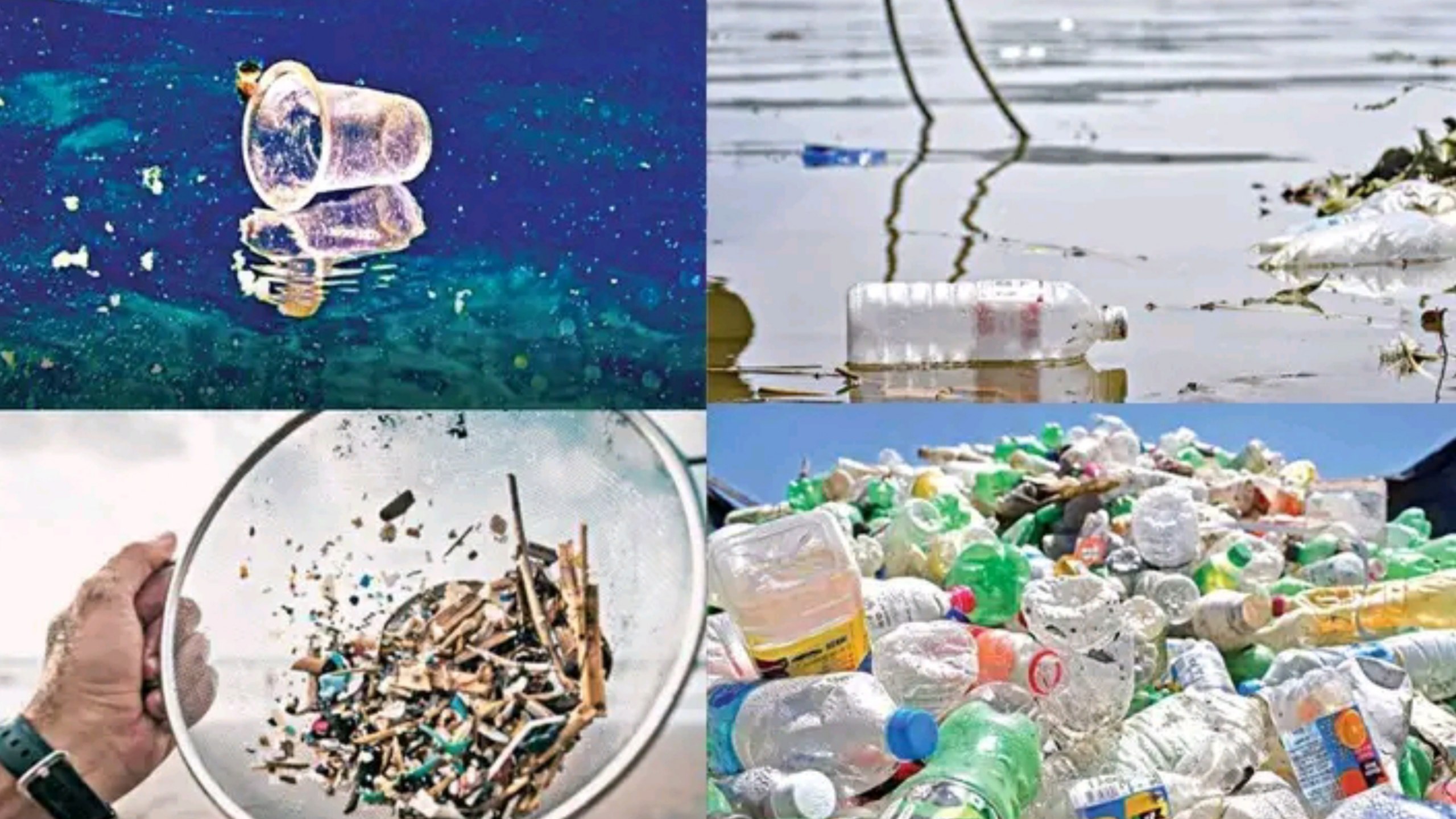
A torrent of scientific studies is painting an ever more alarming picture of Bangladesh’s plastic pollution, with microplastics now confirmed in the country’s rivers, coastal salt pans and seafood sold in local markets. A systematic review of 50 peer-reviewed studies up to December 2024 found pervasive microplastic contamination in water, sediment, aquatic animals, fish feed, fertilisers and table salt, with the most frequently identified polymers being polyethene, polypropylene and polystyrene, and textile fibres a significant source.
Rivers Run Through Industrial Corridors Hardest Hit
Some of the clearest signs of contamination are in Bangladesh’s major waterways. Researchers measured microplastic concentrations of between 5 and 20 particles per litre in the surface water and 360 to 960 particles per kilogram in the sediment. In the Surma River, the most common type was fibrous, transparent particles between 1 and 2 millimetres. Sampling in the Balu River in Dhaka found an average of about 102.5 particles per litre near industrial sites, with the most particles found near a textile mill and the least near a cement plant.
The same goes for the two big rivers of the capital. The study of Buriganga and Shitalakshya rivers found an average of 12.4 and 11.5 microplastic particles per litre, respectively, most of them transparent, film-shaped and less than one millimetre. For the first time, microplastics were detected in the city’s treated drinking water. Further east, the Karnaphuli River flowing through Chattogram displayed measurable contamination in both surface water and sediment. Researchers have noted that Bangladesh’s marine systems have shown microplastics in open water, nearshore sediment, salt pans and marine organisms alike.
Regular contamination of salt pans along the Bay of Bengal
Another contamination hotspot has surfaced in the country’s coastal salt industry, with Cox’s Bazar and Maheshkhali Channel becoming the focal point. Microplastics were found in every sample tested from salt pans in the Maheshkhali Channel in one study, with amounts ranging from about 78 to 137 particles per kilogram, predominantly white particles between 500 and 1,000 micrometres in size. In another study, the level of contamination was much higher in locally produced salt than in commercial salt. The average level of contamination in open-pan salt from Cox’s Bazar and Maheshkhali was found to be in thousands of particles per kilogram, while in packaged commercial salt the level was lower. Researchers have tied the contamination to nearby wastewater discharge and fishing activity along the bay.
Fish Markets Indicate Contamination Reaching The Table
The most direct public health relevance may be in the detection of microplastics in commercially harvested seafood species that are popular with consumers. Research at the Cox’s Bazar Fish Landing Centre studied finfish and shellfish, including hilsa, mackerel and brown shrimp — species that are central to the diet in Bangladesh — to assess how much plastic accumulation was entering the food chain and reaching consumers, with findings expected to inform national food safety policy.
Discover More Stories Worth Your Time
Why Is the UAE Hosting Historic Peace Talks?
Learn how the UAE facilitated a major prisoner exchange involving 314 detainees.
Why Are the World’s Wealthiest Choosing Dubai?
Explore the key factors making Dubai the preferred destination for global elites.
What Makes the Abrahamic Family House Unique?
Discover how this landmark promotes interfaith harmony and cultural understanding.
What Peace Deals Has Trump Brokered?
Explore the major diplomatic agreements shaping his second presidential term.
Does the U.S. Still Import Russian Uranium?
Find out Trump’s response and what it means for U.S. trade and energy policy.
A pattern too regular to ignore
The pattern across rivers, salt production and seafood suggests a cycle of contamination, rather than isolated hotspots, researchers say — plastic waste flowing into waterways, settling into sediment and salt pans, and finally being consumed by fish and shellfish that make their way to local markets. Scientists who have studied the Jamuna River said the regional understanding of such dynamics is still poor compared to other parts of South Asia. They stressed the need for more systematic national monitoring.
The patchy, region-specific nature of existing studies makes it difficult to get a sense of the full scale of the problem, the researchers behind the national review say, and they are calling for coordinated monitoring, an updated waste management policy and further research into how microplastic exposure through food and water may affect long-term public health in one of the world’s most densely populated and flood-prone countries.
Summary
Multiple studies confirm microplastics across Bangladesh’s rivers, salt pans, and fish markets — from Dhaka’s Buriganga to Cox’s Bazar’s salt farms and seafood. Researchers link textile fibres and wastewater to the contamination, calling for coordinated national monitoring.