
Power cuts across Bangladesh have made headlines for weeks, with some rural areas facing eight to twelve hours of load-shedding a day. The proximate cause is well known: a fire at an Excelerate Energy floating LNG terminal in July knocked out a major chunk of the country’s import capacity, and gas-fired power generation has fallen to around 3,500MW from a normal 5,200MW. But energy officials and economists say the blackouts are really the most visible symptom of a much wider strain building across Bangladesh’s import-dependent economy.
Fertiliser Reserves Are Sliding Toward Danger Levels
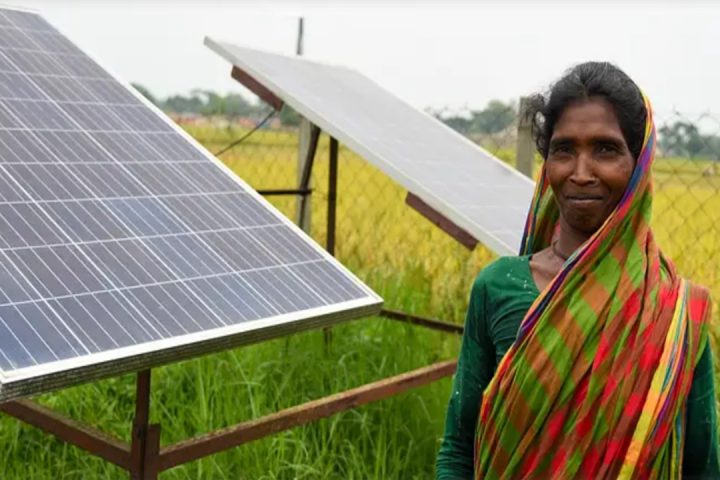
Perhaps the most concerning knock-on effect is in agriculture. Reserves of key non-urea fertilisers, including DAP, TSP and MOP, have already fallen below the safety threshold ahead of the Aman planting season. Urea supply, which Bangladesh sources heavily from Saudi Arabia, Qatar and the UAE, remains above the safe line for now, but all three suppliers sit close to a war zone that has disrupted shipping through the Strait of Hormuz for months.
Farmers are already feeling the squeeze. In Lalmonirhat, one grower who needed 100 kilograms of TSP for his paddy fields could only secure 45 kilograms after visiting six separate shops, paying above the government-fixed price for what little he found.
“Supply disruptions and import uncertainties have created instability in the market and contributed to an artificial shortage,” said Abu Saleh Md Shamim Alam Shibly, a research fellow at the Centre for Policy Dialogue.
The state-run Ashuganj fertiliser factory, once producing over 1,000 tonnes of urea a day and employing more than 1,200 people, has sat idle since March last year, a casualty of the same gas shortage now squeezing households and businesses.
Behind It All, a Dollar Problem
Underneath the fertiliser and gas shortages sits a more structural issue: foreign exchange. Bangladesh depends on imports for fuel, fertiliser, food and most raw materials, which means nearly every shortage traces back, at least in part, to how many dollars the country has on hand to pay for shipments. Reserves have shown some recovery in the past year, but economists warn the recovery remains fragile. Growth slowed to 3 per cent in the second quarter of this fiscal year, the weakest pace since the pandemic, while non-performing loans sit near 30 per cent, limiting how much banks can lend.
“Geopolitical tensions, particularly around the Strait of Hormuz, are posing systemic risks to global supply chains and fertiliser trade,” said Zaidi Sattar, chairman of the Policy Research Institute.
A Crisis Years in the Making, Not Just Months
Officials point to the Iran war and Strait of Hormuz disruptions as the immediate trigger, and that is a fair description of the shock. But the underlying vulnerability goes back further. Bangladesh was largely self-sufficient in natural gas as recently as 2018. Since then, declining output from ageing domestic fields, combined with limited investment in new exploration, has pushed the country to depend increasingly on imported LNG, precisely the kind of supply that is now vulnerable to a war half a continent away.
Discover More Stories Worth Your Time
Explore How To Buy Match Tickets?
Discover the easiest steps to secure cricket match tickets in Bangladesh.
Check Where Monsoon Travel Works?
Explore the best places to visit and areas to avoid during Bangladesh’s rainy season.
See Why India Visit Uncertain?
Discover how the Hasina extradition and Hadi murder case could affect Tarique Rahman’s India trip.
Find What Story Comes Next?
Explore what Tanim Noor may bring after Utsab and Bonolota Express.
Learn Why Saudi Invitation Matters?
Discover what the Saudi Crown Prince’s invitation could mean for Tarique Rahman’s upcoming visit.
Why This Matters Beyond the Power Cuts
For a country of 170 million people, the combination of energy shortages, fertiliser scarcity and strained reserves adds up to more than an inconvenience. Fertiliser shortfalls threaten crop yields months down the line, gas shortages are already forcing factories to run on costlier diesel and furnace oil, and a fragile dollar position limits how quickly the government can respond to any of it with fresh imports.
The gas crisis may be what people notice first, in the form of blackouts and long CNG queues. But the warning signs building underneath it, in fertiliser stocks, foreign reserves and years of underinvestment in domestic energy, suggest the country’s harder test may still be ahead.
Summary: Bangladesh’s gas crisis has triggered rolling blackouts and factory shutdowns, but it is only one piece of a wider strain. Fertiliser stocks, dollar reserves and import capacity are all showing signs of stress as the Strait of Hormuz war drags on.