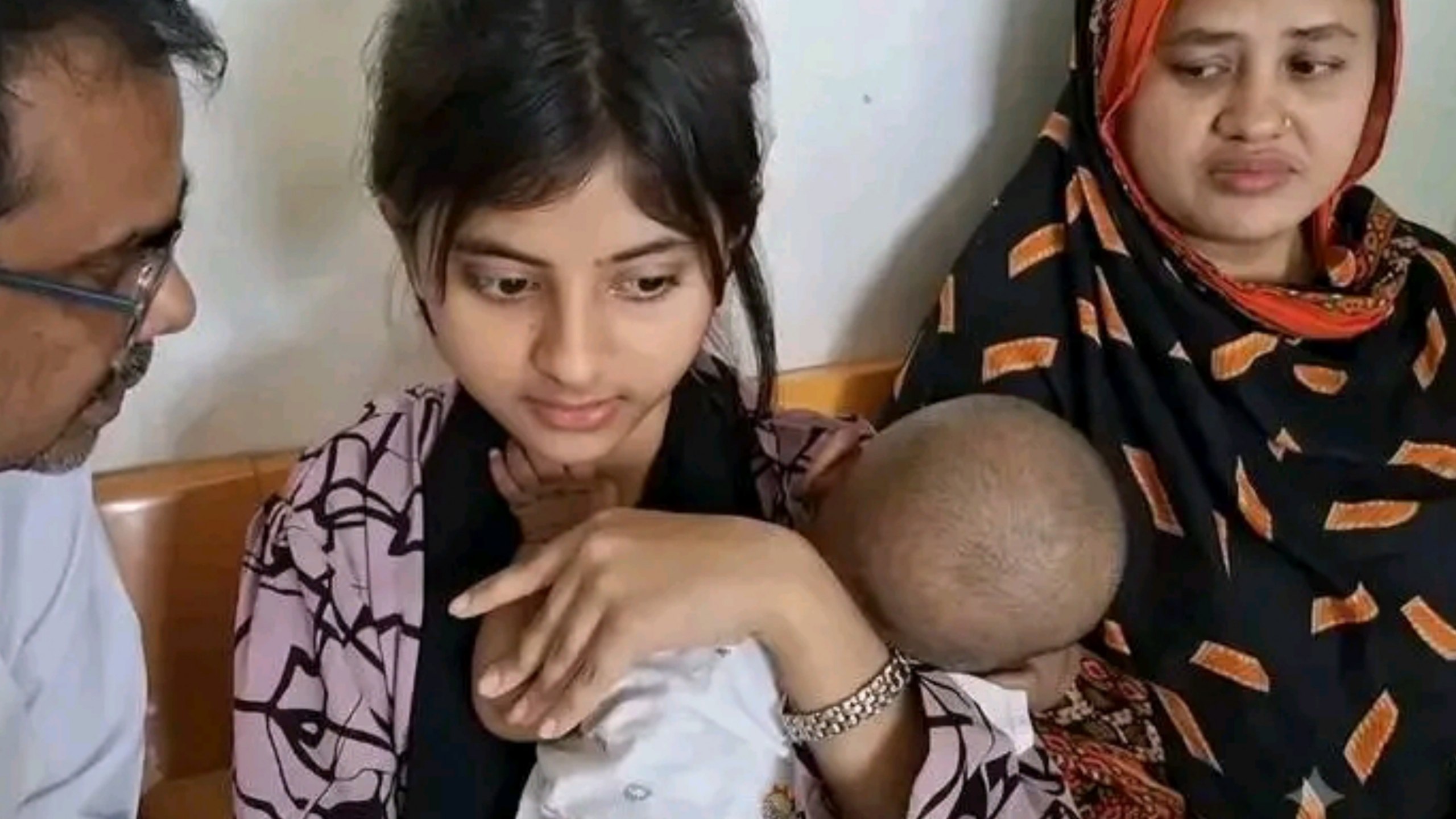
Bangladesh has the highest rate of child marriage in South Asia. According to UN data for the same year, almost 47 percent of women aged between 18 and 24 years had married before the age of 18. The practice is more prevalent in rural areas than in urban areas and differs greatly from region to region, with divisions such as Rajshahi and Khulna showing some of the highest rates in the country. Behind these numbers is a pattern that quietly shapes the future for millions of girls.
Disruption to Learning
Child marriage has one of the most obvious effects on education. Young married girls are much more likely to leave school before completing secondary school. Research finds rates of child marriage only fall substantially after 10 years’ education for girls, and less than half after 12 years’ education. For a girl, marriage often means being yanked out of the classroom by household responsibilities and early motherhood, slamming the door on the chance for financial independence later in life.
Health Risks in Motherhood
Child marriage has serious health consequences and is closely associated with early pregnancy. Nearly a quarter of Bangladeshi women aged 20-24 had a child before they were 18. Young mothers are more likely to have problems with pregnancy and delivery. Their bodies are not usually developed enough to give birth. Moreover, studies show that mothers married as children are more likely to suffer from long-term energy deficiency, and hence negatively affect the nutrition and growth of their children. Children of child brides are more likely to be underweight and stunted at above-average rates.
Impact on family life
It is not the mother alone who is affected. Additional pressures include lack of decision-making capacity for young wives, or reduced household income for families of child marriage. Surveys indicate that fewer than half of married adolescent girls in Bangladesh feel they have agency over their own reproductive health decisions. Many also report violence from a partner during adolescence, a reflection of the power imbalance early marriage often creates in the household.
Discover More Stories Worth Your Time
Explore How To Buy Match Tickets?
Discover the easiest steps to secure cricket match tickets in Bangladesh.
Check Where Monsoon Travel Works?
Explore the best places to visit and areas to avoid during Bangladesh’s rainy season.
See Why India Visit Uncertain?
Discover how the Hasina extradition and Hadi murder case could affect Tarique Rahman’s India trip.
Find What Story Comes Next?
Explore what Tanim Noor may bring after Utsab and Bonolota Express.
Learn Why Saudi Invitation Matters?
Discover what the Saudi Crown Prince’s invitation could mean for Tarique Rahman’s upcoming visit.
Why the Progress Has Been Slow
Bangladesh has laws restricting the legal age of marriage, but enforcement is patchy, especially in rural communities where poverty and social pressure often outweigh legal protections. The COVID-19 pandemic reversed years of slow progress, with school closures and financial hardship pushing many families into early marriage as a survival strategy, experts say. Researchers say that at the current rate of decline, the practice would take well over a century to disappear completely without stronger intervention.
Further Steps
“When it comes to child marriage in Bangladesh, we need to look beyond the wedding itself. Part of the equation is keeping girls in school longer, enforcing existing laws and improving access to health care and family planning services. When a girl is married too young, it’s not just her life that is affected. They cut through her health, the health of her children, and the opportunities for the next generation.
Summary: Nearly half of Bangladeshi women are married before turning 18, giving the country the highest child marriage rate in South Asia. The consequences reach far beyond the wedding day, affecting girls’ education, health, and the wellbeing of the families they go on to raise.