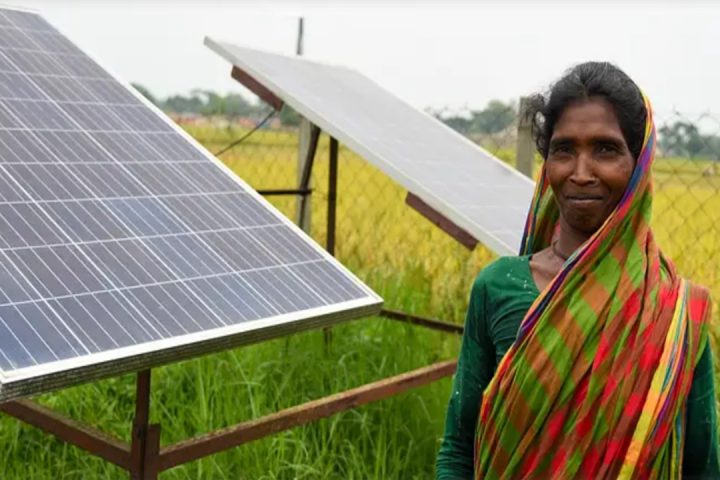
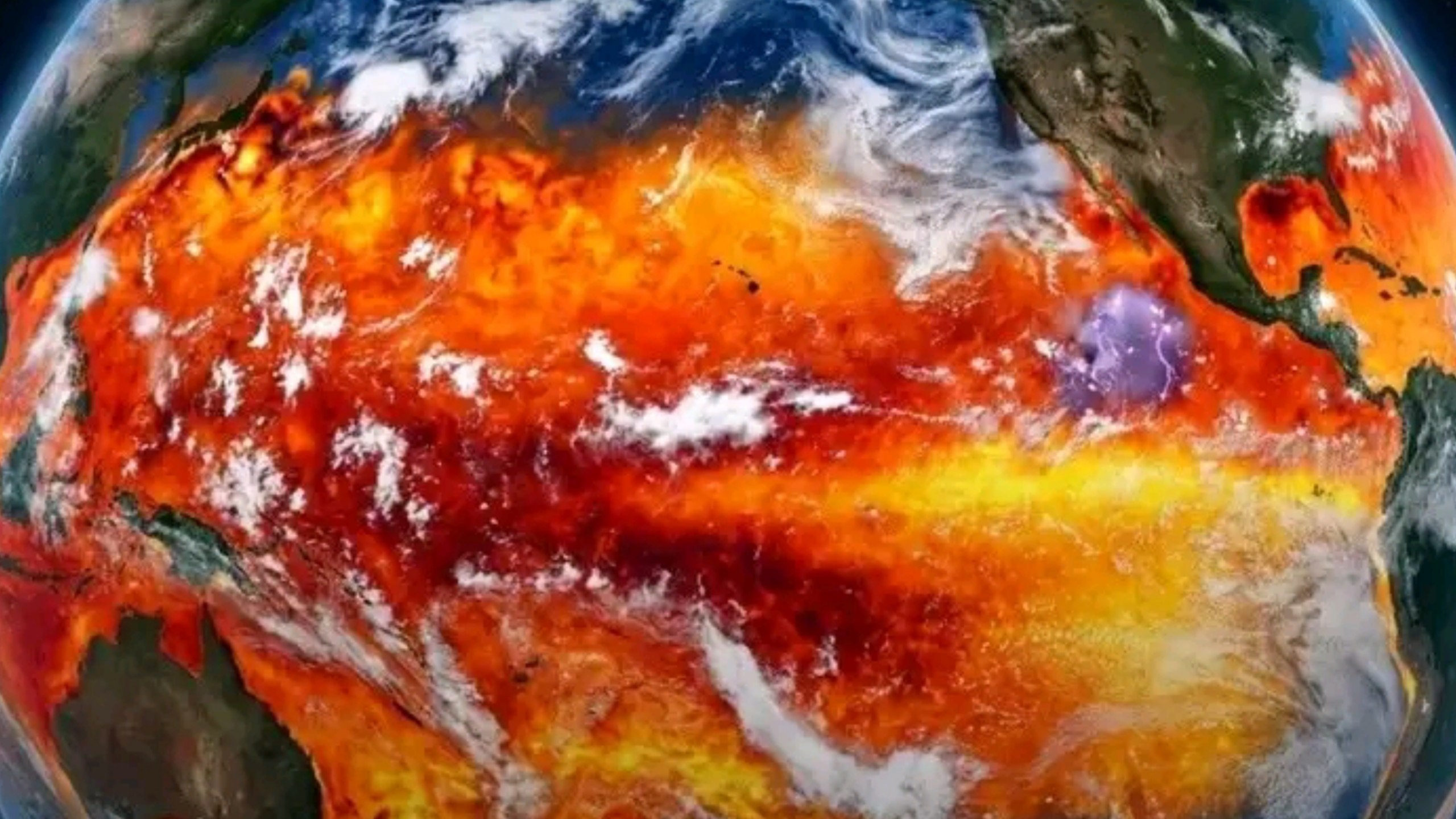
It may sound funny that the temperature of the ocean near South America may have an effect on a rice field in Rangpur or Rajshahi. But El Niño, periodic warming of surface waters in the equatorial Pacific, has a long arm. It throws weather patterns out of whack all around the world, and one of the most sensitive areas is the monsoon system of South Asia. In a country like Bangladesh where farming still relies heavily on reliable rainfall, that connection means a lot.
How the Pacific Ocean influences Bangladesh’s weather
El Niño effects typically weaken the monsoon circulation that normally brings steady rains to South Asia from June to September. When this circulation weakens, Bangladesh often experiences less rain, a delayed start to the monsoon and higher-than-normal temperatures. In prior El Niño years, some months had rainfall more than 60 per cent below the long-term average, coupled with extreme heatwaves.
Crops Most Likely To Be Affected
The agricultural sector of Bangladesh is very much associated with the rhythm of monsoon, and two crops are particularly vulnerable during El Niño years. Aman rice is grown in the monsoon and requires steady rain for establishment and growth, so a shortfall can lead to sharp yield reductions. Boro rice, which is grown in the dry season, relies heavily on groundwater irrigation, and long dry spells associated with El Niño tend to force farmers to pump water more intensively, increasing costs and stressing groundwater resources already under strain, especially in the northwest.
Less Rain Is Just the Beginning
El Niño effects aren’t always an easy drought. Some years are not so much dry as they are unpredictable, with heat waves, erratic rain, sudden downpours and flash floods. This makes it hard for farmers to plan. They prepare their fields for dry conditions, and suddenly they get flooded. Or the other way around. Higher temperatures also increase the speed at which soil moisture dries out, meaning crops need more frequent irrigation even if some rain comes.
Ripple effects on food security, prices
When rice yields drop due to a poor monsoon performance, the effects ripple quickly through the food system. Decreased national production can push up the price of rice, thus putting pressure on household budgets, especially for lower-income families who tend to spend a higher share of their income on food. Fisheries and aquaculture are important elements of the rural economy of Bangladesh and can also be affected by changes in water temperature and salinity that affect fish populations. An El Niño year plus rising fertiliser and energy prices can put broad pressure on food security throughout the country.
Discover More Stories Worth Your Time
Explore How To Buy Match Tickets?
Discover the easiest steps to secure cricket match tickets in Bangladesh.
Check Where Monsoon Travel Works?
Explore the best places to visit and areas to avoid during Bangladesh’s rainy season.
See Why India Visit Uncertain?
Discover how the Hasina extradition and Hadi murder case could affect Tarique Rahman’s India trip.
Find What Story Comes Next?
Explore what Tanim Noor may bring after Utsab and Bonolota Express.
Learn Why Saudi Invitation Matters?
Discover what the Saudi Crown Prince’s invitation could mean for Tarique Rahman’s upcoming visit.
Adapting to an uncertain climate
Sea-surface temperatures in the Pacific are already well above normal and meteorological agencies have warned that a particularly strong El Niño could develop. Scientists are careful to note that El Niño itself is not new, but it is now happening in the midst of a warmer global climate, which can increase its impacts. In Bangladesh, that means climate-resilient farming practices, better water management and stronger early warning systems are becoming less optional and more essential with each passing cycle.
It is not merely an academic exercise to understand how a warming Pacific Ocean might impact a rice paddy in Bangladesh. It helps explain why food prices sometimes go up even when nothing seems to have gone wrong locally, and why long-term planning for water and agriculture needs to factor in forces far beyond the country’s borders.
Summary: El Niño, the warming of the Pacific Ocean far from Bangladesh, is directly connected to what happens on farms in Bangladesh. And this cycle of weaker monsoons, higher heat and water shortages can quietly impact rice harvests and food prices across the country.