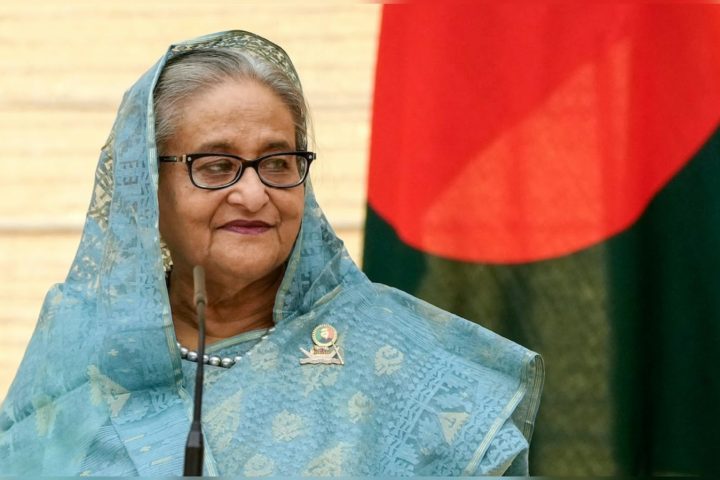

A New Committee, A New Chain of Command: The Cabinet Division has formed an 11-member National Strategy Formulation Committee on Rohingya Affairs, placing Prime Minister Tarique Rahman directly at its head. The move signals that Rohingya policy is no longer being handled at the ministerial or advisory level alone but has been elevated to the very top of government.
The committee brings together the home minister, foreign minister, the advisers for finance and planning and for defence, the inspector general of police, and the heads of the National Security Intelligence, Border Guard Bangladesh, and Bangladesh Coast Guard, with the Armed Forces Division’s principal staff officer serving as chief coordinator and the Directorate General of Forces Intelligence playing a supporting role.
What the Committee Is Actually Tasked With
According to the Cabinet Division notification, the committee’s job is to prepare a national strategy for what it calls the swift and sustainable repatriation of Rohingya refugees. Beyond drafting that strategy, the committee is also meant to set priorities on key repatriation-related issues, monitor how different government agencies implement the plan, and clearly define the roles of law enforcement and other bodies involved in the process.
In effect, it is meant to function as a central coordinating body rather than leaving repatriation efforts scattered across ministries with no single point of accountability.
Why Rohingya Policy Has Moved to the Prime Minister’s Desk
Tarique Rahman’s government inherited the Rohingya file from the interim administration led by Muhammad Yunus, which itself had appointed a National Security Adviser with a specific remit for Rohingya issues. Placing the new committee directly under the prime minister suggests Dhaka wants to signal both domestic urgency and international seriousness about a crisis that has dragged on for years with little movement on actual returns to Myanmar.
Analysts have described the Rohingya crisis as one of the hardest tests facing Rahman’s foreign policy, since it sits at the intersection of Bangladesh’s relations with Myanmar, China, and the United States, each of which has different, sometimes conflicting, interests in how the situation is resolved.
The Complications Waiting in Myanmar
Any repatriation strategy runs into the same underlying problem: Rakhine State, the Rohingyas’ home region in Myanmar, remains largely controlled by the Arakan Army, an ethnic insurgent force fighting Myanmar’s military government and with little apparent interest in facilitating Rohingya returns.
China has invested heavily in infrastructure and energy corridors in Rakhine and is focused on protecting those assets and its access to the Indian Ocean, while the United States continues to prioritise sanctions on Myanmar’s junta and remains the single largest donor of humanitarian aid to Rohingya refugees, having contributed close to 2.4 billion dollars to date. Bangladesh’s strategy will have to be built around this reality rather than around any assumption that Myanmar will suddenly become receptive to large-scale returns.
Balancing Repatriation With Ongoing Humanitarian Needs
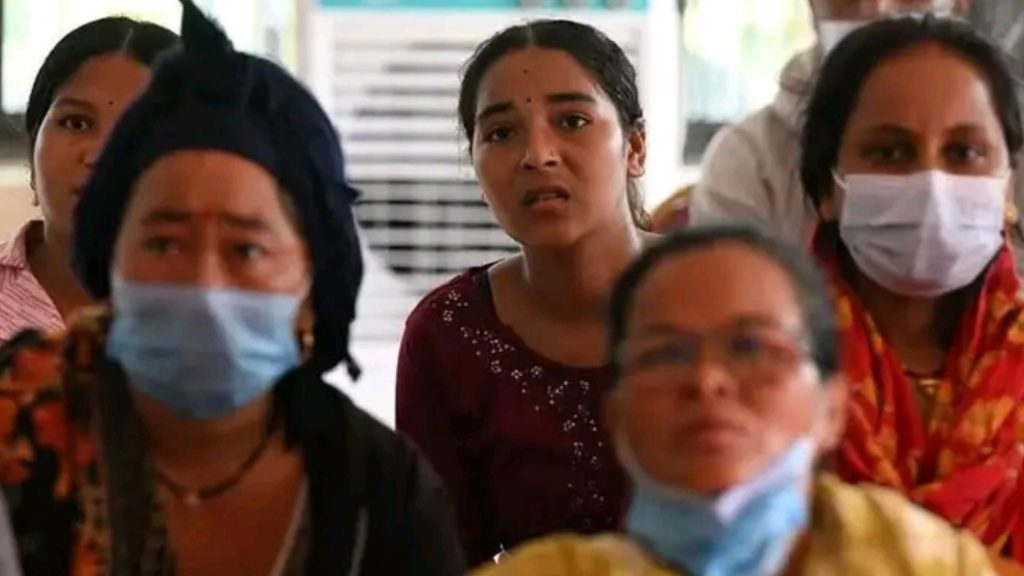
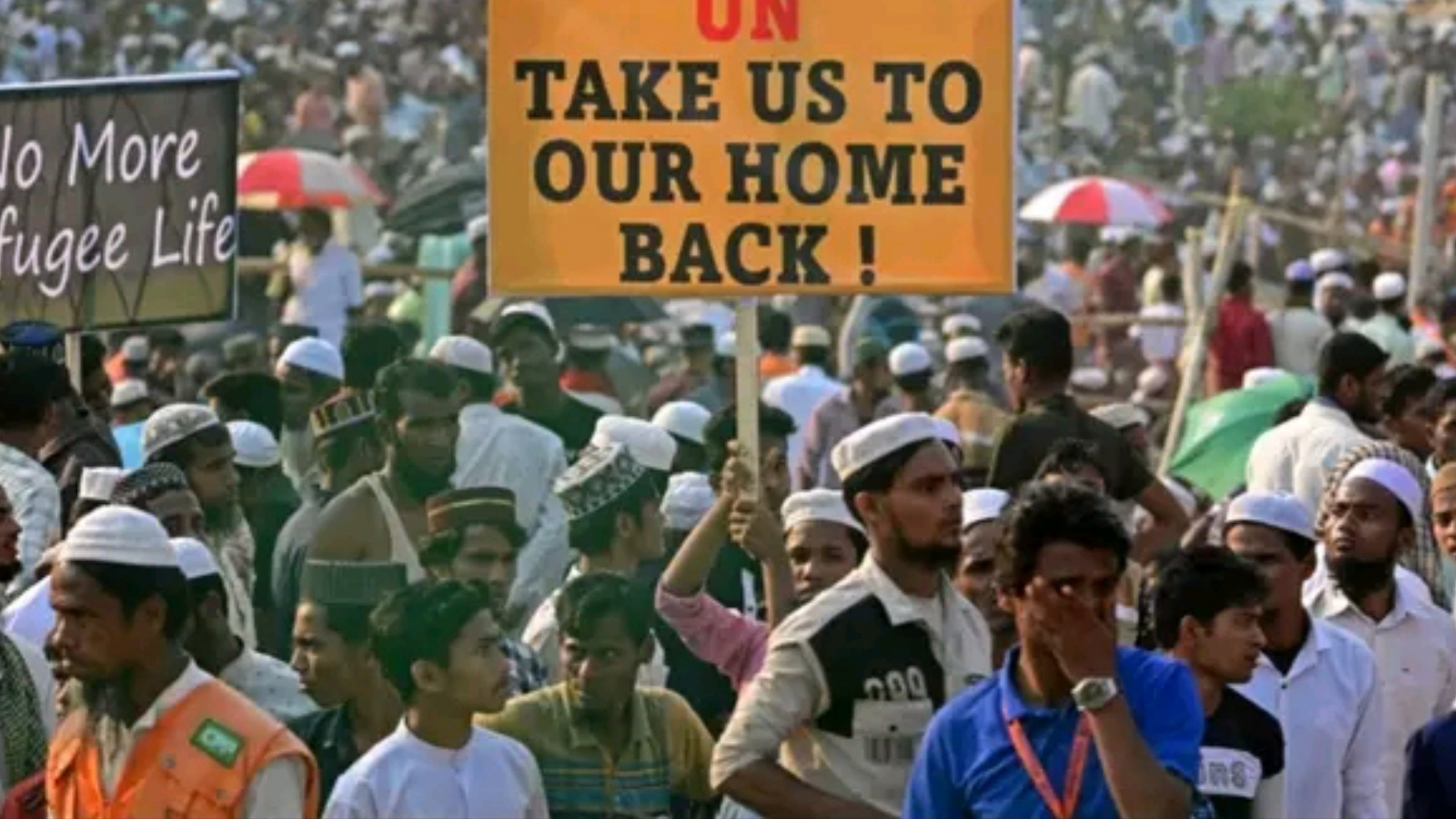
While the new committee works on a longer-term repatriation framework, hundreds of thousands of Rohingya refugees remain in camps in Cox’s Bazar, dependent on humanitarian assistance that has faced funding pressures in recent years.
Analysts have suggested that Bangladesh’s most realistic path forward involves a re-internationalised, burden-sharing approach, working closely with the United States as the largest donor to secure more predictable multiyear funding, while also strengthening border security and intelligence cooperation to manage the camps more effectively in the meantime.
Discover More Stories Worth Your Time
See Why Rising Seas Threaten Dhaka?
Discover why the UN warns millions across Mumbai, Kolkata, and Dhaka face immediate coastal risks.
Find Why Trump Praised Tarique?
Explore what the US president’s letter says about the Boeing aircraft deal.
Learn How Adani Supply Returns?
Discover how Bangladesh’s payment settlement helped restore full electricity supply from the Godda plant.
Explore Why Dengue Cases Rising?
Discover what is driving Bangladesh’s latest dengue surge and the health concerns emerging nationwide.
What Success Would Actually Look Like
For the new strategy to matter, it will need to go beyond the kind of piecemeal, stalled repatriation attempts that have characterised the crisis since 2017. That likely means clearer coordination between Dhaka’s diplomatic outreach to Myanmar, China, and the international community, alongside a credible domestic plan for managing the camps, security, and aid delivery until any large-scale returns become feasible.
The committee’s own mandate to monitor inter-agency implementation suggests the government is aware that past efforts have often faltered on execution rather than intent.
What to Watch in the Coming Months
With the committee freshly formed, its first real test will be whether it produces a concrete, actionable strategy rather than another policy document that sits alongside years of similar efforts.
Given the scale of competing interests in Myanmar and the international donor landscape, most observers expect any meaningful progress to be gradual. But the decision to put Tarique Rahman personally at the helm suggests his government wants Rohingya policy to be seen as a leadership priority, not a lower-tier bureaucratic function, as Bangladesh heads into the next phase of a crisis now well into its second decade.