
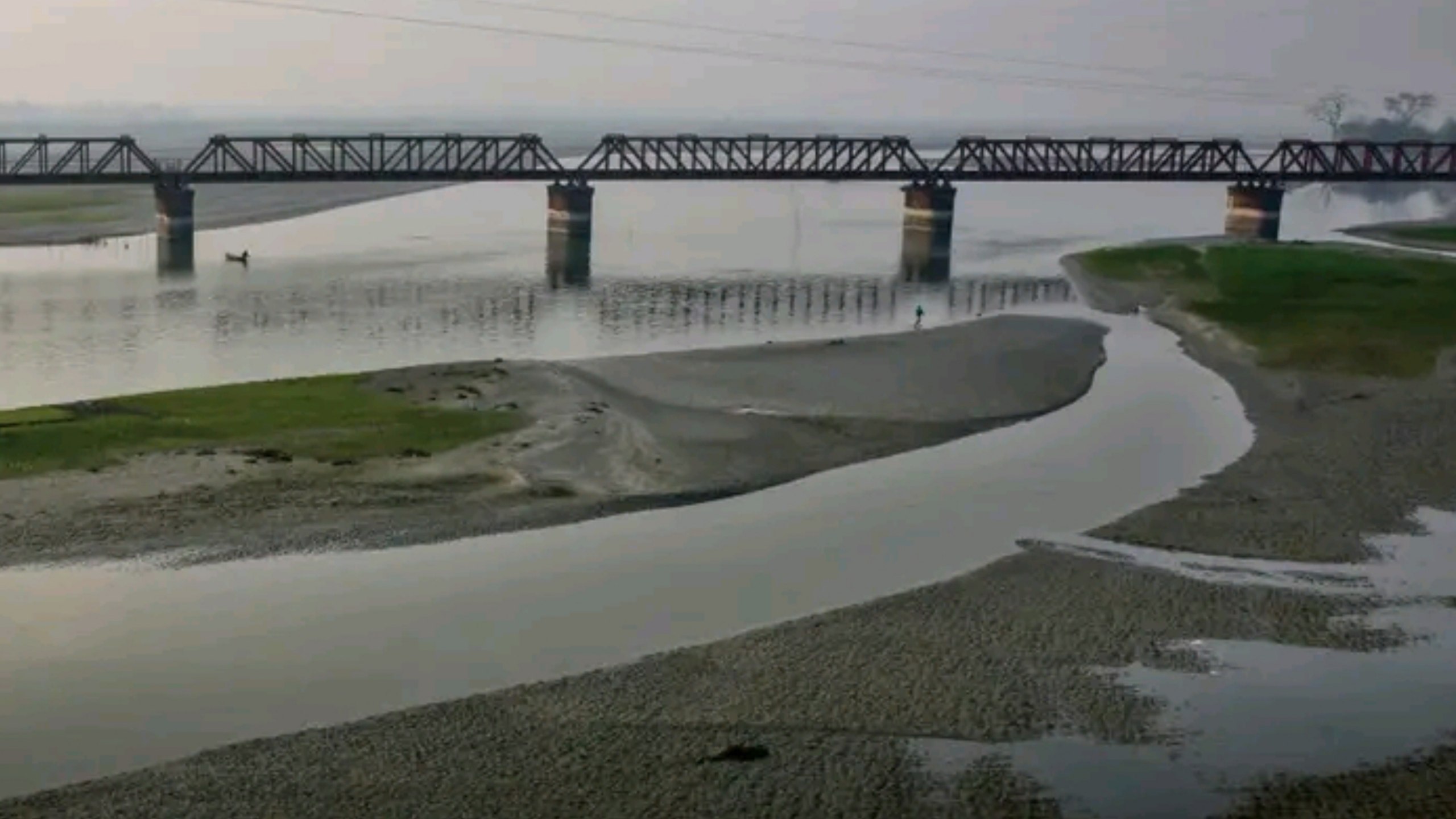
A Deadline That Cannot Be Ignored: The 1996 Ganges Water Treaty between India and Bangladesh expires in December 2026, and New Delhi can no longer treat its renewal as a distant problem for future negotiators. The treaty governs how the two countries share Ganges water measured at the Farakka Barrage during the dry season, and its thirty-year lifespan under Article XII means it must be either renewed by mutual consent or allowed to lapse. As that deadline nears, India’s government finds itself weighing two very different sets of demands, one from an upstream Indian state that says it has been overlooked, and one from a downstream neighbour whose agriculture and river systems depend heavily on the water the treaty guarantees.
Bihar’s Case Gets Louder in Delhi
Bihar’s push to be heard in the renewal process has gained real momentum in recent weeks. JD(U) Rajya Sabha MP Sanjay Jha raised the issue in a special mention in the upper house on August 6, arguing that Bihar’s scientific assessments show the treaty’s operation affects roughly 13 crore people in the state through worsened flooding and silt buildup near Farakka. In response, External Affairs Minister S Jaishankar wrote back on August 28, assuring Jha that Bihar’s water interests would be kept in focus when India decides on the treaty’s future. The Ministry of External Affairs has separately confirmed that Bihar’s government took part in inter-ministerial consultations held in 2023, 2024, and 2025, alongside inputs from West Bengal on drinking water and industrial needs.
Why West Bengal Complicates the Picture Further
Bihar is not the only Indian state with a stake in the outcome, and this is where Modi’s balancing act gets harder. West Bengal, which sits directly downstream of Farakka and has historically been the main Indian beneficiary of the treaty’s allocation, has previously accused the Centre of moving ahead with renewal talks without proper consultation. Chief Minister Mamata Banerjee has in the past written directly to the Prime Minister calling any unilateral move by New Delhi unacceptable, a reminder that India’s own federal politics, not just its relationship with Dhaka, could shape how flexible the central government is willing to be with Bihar’s demands.
What Dhaka Is Watching For
For Bangladesh, the stakes are just as high, but the position is different. Bangladeshi researchers have long argued that the country has not consistently received its guaranteed share of dry-season flow, with one study finding shortfalls at the Hardinge Bridge measuring point in 94 out of 300 instances between 1997 and 2016. Dhaka’s negotiators are pushing for a renewed or revised treaty that protects, if not improves, its existing allocation, particularly as climate change and rising upstream demand put growing pressure on the wider Ganges Basin. A Joint Technical Committee has already been formed to study how Bangladesh can make more optimal use of its treaty share, groundwork that will likely feed directly into the renewal talks.
Discover More Stories Worth Your Time
Check How Sylhet Border Watch Improves?
Explore how the new facility strengthens Bangladesh’s border surveillance and drone capabilities.
Explore Why Dengue Cases Rising?
Discover what is driving Bangladesh’s latest dengue surge and the health concerns emerging nationwide.
See Why Rising Seas Threaten Dhaka?
Discover why the UN warns millions across Mumbai, Kolkata, and Dhaka face immediate coastal risks.
Find Why Trump Praised Tarique?
Explore what the US president’s letter says about the Boeing aircraft deal.
Learn How Adani Supply Returns?
Discover how Bangladesh’s payment settlement helped restore full electricity supply from the Godda plant.
India’s Official Line So Far
Publicly, India has kept its position measured. Ministry of External Affairs spokesperson Randhir Jaiswal told reporters in early August that discussions on renewal would proceed through existing bilateral mechanisms, including the Joint Rivers Commission, which oversees 54 rivers shared between the two countries. That framing suggests New Delhi wants the process to look technical and consultative rather than driven by domestic political pressure, even as pressure from Bihar’s MPs and Bengal’s chief minister makes that harder to maintain in practice.
The Real Test for Modi
The coming months will show whether India can satisfy Bihar’s demand for consideration of upstream flooding and siltation without unsettling either West Bengal’s existing allocation or Bangladesh’s dependence on the river for agriculture, fisheries, and drinking water. Jaishankar’s written assurance to Bihar signals intent, but intent is not the same as a finalised formula that all three parties can accept. With December’s deadline approaching fast, Modi’s government faces a genuinely difficult choice: whether to reopen the treaty’s core water-sharing terms to accommodate Bihar, or to renew the existing arrangement largely as is and address Bihar’s concerns through separate measures like sediment management, rather than a renegotiated share.