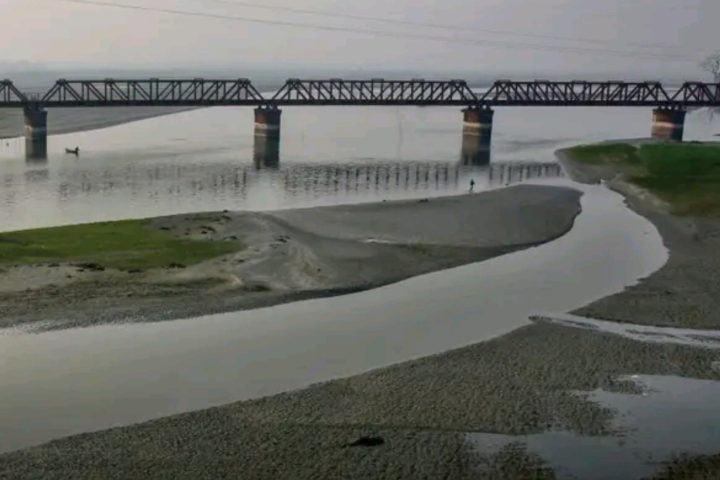

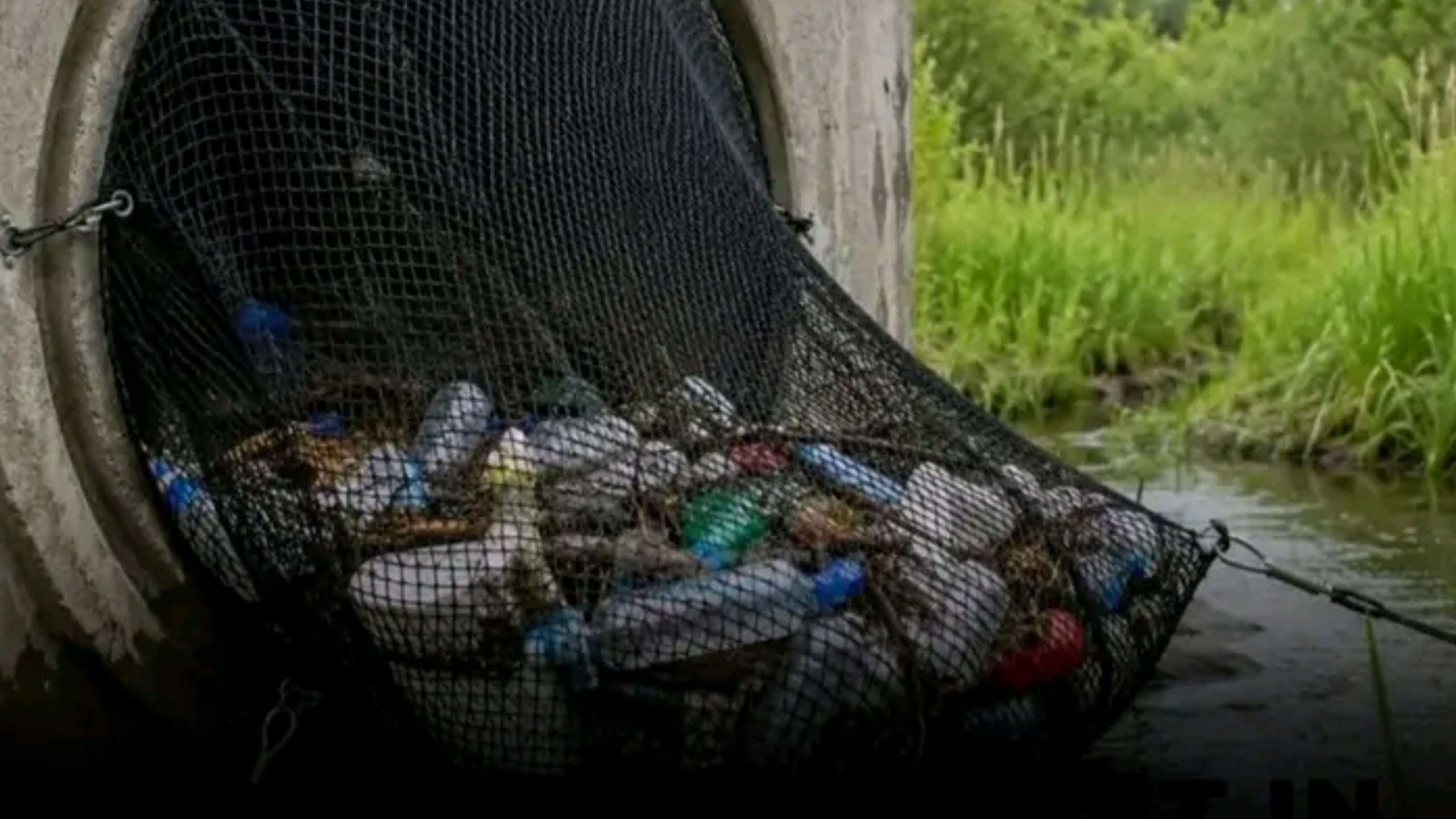
The rivers encircling Dhaka, chief among them the Buriganga, Turag, Balu, and Shitalakkhya, are among the most polluted waterways in Bangladesh. A recent survey by the Bangladesh Inland Water Transport Authority found more than 424 discharge points releasing an estimated 330,000 kilograms of liquid and solid waste into these rivers every single day. Industries account for nearly 60 per cent of that pollution, with untreated effluent, sewage, household waste, plastic, oil, and burnt lubricants making up the bulk of what enters the water. Of the 424 identified outlets, 244 are linked to privately owned factories and industrial establishments.
Where the Pollution Comes From
The sources are scattered across the city’s infrastructure. Sixty-six WASA drains are directly discharging to the Buriganga and Turag. Dhaka South and North City Corporations, Narayanganj City Corporation and Gazipur City Corporation are running dozens of other drains, which are emptying into the same rivers. A separate survey of the Buriganga and Turag rivers alone identified 224 pollution outlets, of which 166 are along the Buriganga and 58 along the Turag. Industrial waste, including dyes, chemicals and heavy metals, makes up 55 per cent of the pollution load in those two rivers alone, with organic waste, pathogens and ammonia accounting for another 25 per cent, the survey found.
The Human and Environmental Cost
Water quality data collected by the Department of Environment showed that the rivers around Dhaka did not meet national standards. An analysis between 2017 and 2023 found that the Meghna, Buriganga, Shitalakkhya and Turag were not suitable for fisheries. Researchers have also found persistent industrial chemicals from tanneries, textile mills and chemical plants that accumulate in the environment and pose long-term risks to both ecosystems and human health. Experts have said that the level of oxygen in the Buriganga is so low during the dry season that virtually no aquatic life exists in the river, and some four million city dwellers daily feel the impact of this pollution.
Government Response Begins to Take Shape
The crisis has been escalated to a priority by authorities. After surveying pollution outlets along the Buriganga and Turag, officials held a stakeholder consultation in Dhaka to plan a coordinated drive to shut down major pollution sources, tighten enforcement and push industries to properly operate their effluent treatment plants. Environment Minister Abdul Awal Mintoo admitted it would take time to restore the rivers, saying even a 10 per cent improvement by the end of the year would be a success. “Economic development and the protection of the environment should go hand in hand and not at the cost of one another.
Discover More Stories Worth Your Time
Explore Why Dengue Cases Rising?
Discover what is driving Bangladesh’s latest dengue surge and the health concerns emerging nationwide.
See Why Rising Seas Threaten Dhaka?
Discover why the UN warns millions across Mumbai, Kolkata, and Dhaka face immediate coastal risks.
Find Why Trump Praised Tarique?
Explore what the US president’s letter says about the Boeing aircraft deal.
Learn How Adani Supply Returns?
Discover how Bangladesh’s payment settlement helped restore full electricity supply from the Godda plant.
Check How Sylhet Border Watch Improves?
Explore how the new facility strengthens Bangladesh’s border surveillance and drone capabilities.
Reasons for the slow progress
Years of research and government assurances have failed to shrink the problem, which continues to grow. A recent assessment showed that pollution sources from the peripheral rivers of Dhaka have almost doubled in five years, with over a hundred industrial waste outlets, dozens of municipal sewerage lines and hundreds of smaller private outlets. There were also large dumping stations, sluice gates and canals, all serving as conduits for waste. The Buriganga alone had over 500 different sources of pollution. Officials point to the sheer volume of the contributors, weak enforcement of existing environmental rules and the difficulty in coordinating between city corporations, private industry and local government bodies that dump into the same waterways.
Next steps
The government’s current plan is to identify and close down the worst outlets first, along with tighter monitoring of industrial effluent treatment. Past efforts have found it hard to sustain enforcement, which will need to be sustained for a lasting recovery, rather than one-off crackdowns. For the moment, Dhaka’s rivers are a stark symbol of the tension between fast-paced industrial growth and environmental protection, and officials say any real change will be measured in years, not months.