
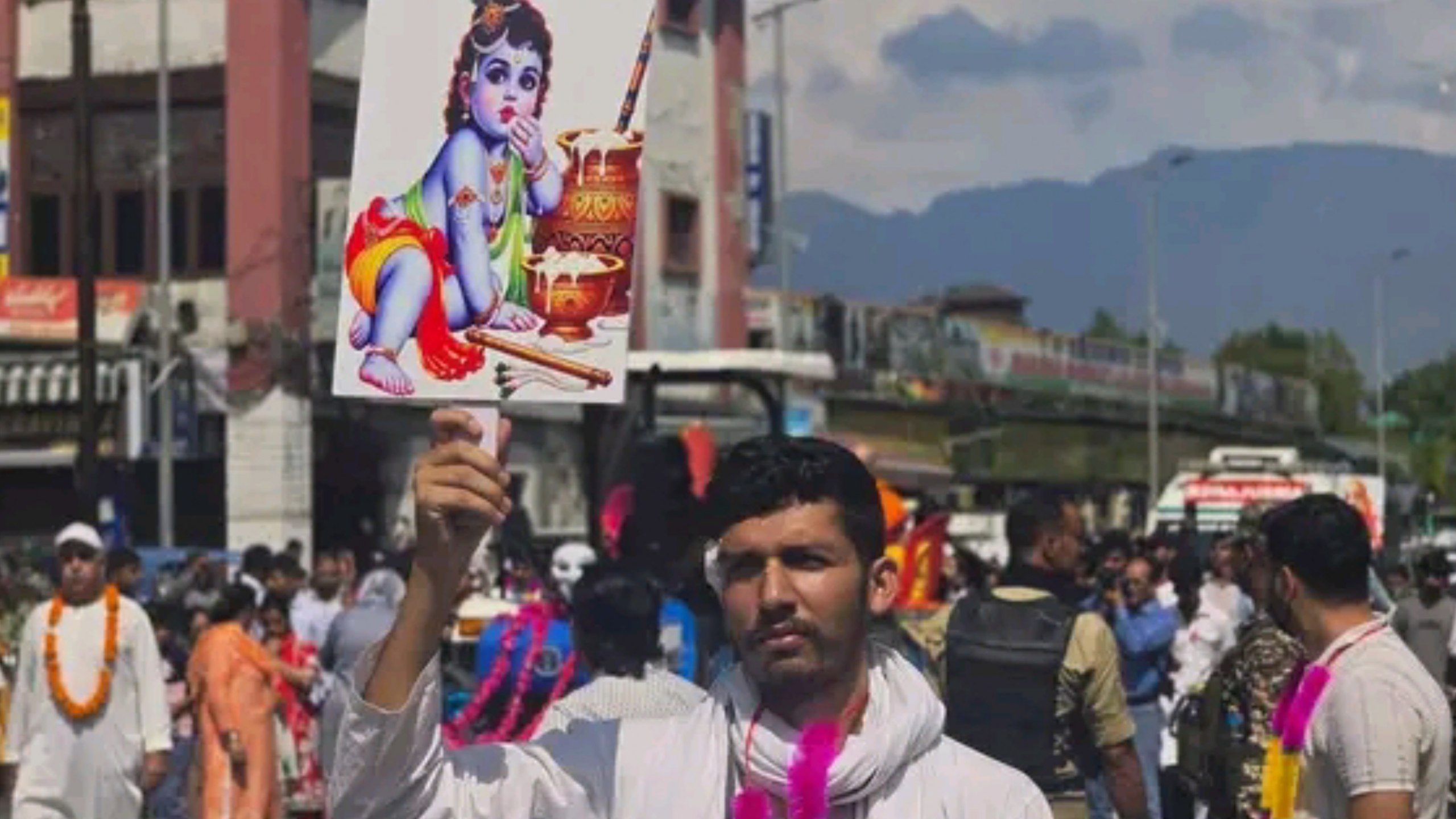
Krishna Janmashtami, one of the biggest festivals on the Hindu religious calendar, is being celebrated across Bangladesh today, September 4, with religious fervour and public gaiety. The day commemorates the birth of Lord Sri Krishna, the eighth incarnation of Lord Vishnu, who according to tradition was born in Mathura on the eighth day of the Krishna Paksha in the month of Bhadrapada. Devotees see Krishna’s birth as a symbol of the triumph of good over evil, and his teachings in the Bhagavad Gita continue to be treated as guidance for a purposeful life.
Central Celebrations at Dhakeshwari Temple
In Dhaka, the Mahanagar Sarbajanin Puja Committee has organised the day’s central programme at Dhakeshwari National Temple. The observance began this morning with a Gita Yajna at 8am, conducted by the Shankar Math and Mission from Sitakunda in Chattogram, held to seek blessings for the country and its people. A Krishna puja is scheduled at the temple in the evening, rounding off a full day of prayer, ritual, and community worship at the country’s most prominent Hindu religious site.
The Procession Through Old Dhaka
The best-known public feature of the day is the Janmashtami procession, which sets out at 3pm from the Palashi intersection near Dhakeshwari Temple. This year’s route winds through several of the capital’s historic thoroughfares, including the Jagannath Hall premises, Shaheed Minar, Doyel Chattar, and the High Court intersection, before concluding at Bahadur Shah Park in Old Dhaka. Home Minister Salahuddin Ahmed is attending as chief guest at the inaugural ceremony ahead of the procession. Dhaka Metropolitan Police have issued traffic guidelines for commuters, asking them to use alternative roads while the procession passes through the city.
Programmes Beyond the Capital
Religious observances are not limited to Dhaka. Temples, monasteries, and puja venues across the country are holding their own programmes, including Gita Yajnas, kirtans, aratis, and prasad distribution. The International Society for Krishna Consciousness has organised a multi-day programme at Swamibagh Ashram in the capital, featuring Bhagavad Gita recitations, devotional music, and cultural performances that extend the celebration beyond a single day. This year’s festival also runs as a two-day event at the Dhakeshwari National Temple premises, with a discussion session planned for tomorrow, attended by the Culture Minister.
Discover More Stories Worth Your Time
See Why Rising Seas Threaten Dhaka?
Discover why the UN warns millions across Mumbai, Kolkata, and Dhaka face immediate coastal risks.
Find Why Trump Praised Tarique?
Explore what the US president’s letter says about the Boeing aircraft deal.
Learn How Adani Supply Returns?
Discover how Bangladesh’s payment settlement helped restore full electricity supply from the Godda plant.
Explore Why Dengue Cases Rising?
Discover what is driving Bangladesh’s latest dengue surge and the health concerns emerging nationwide.
Check How Sylhet Border Watch Improves?
Explore how the new facility strengthens Bangladesh’s border surveillance and drone capabilities.
Official Greetings and Media Coverage
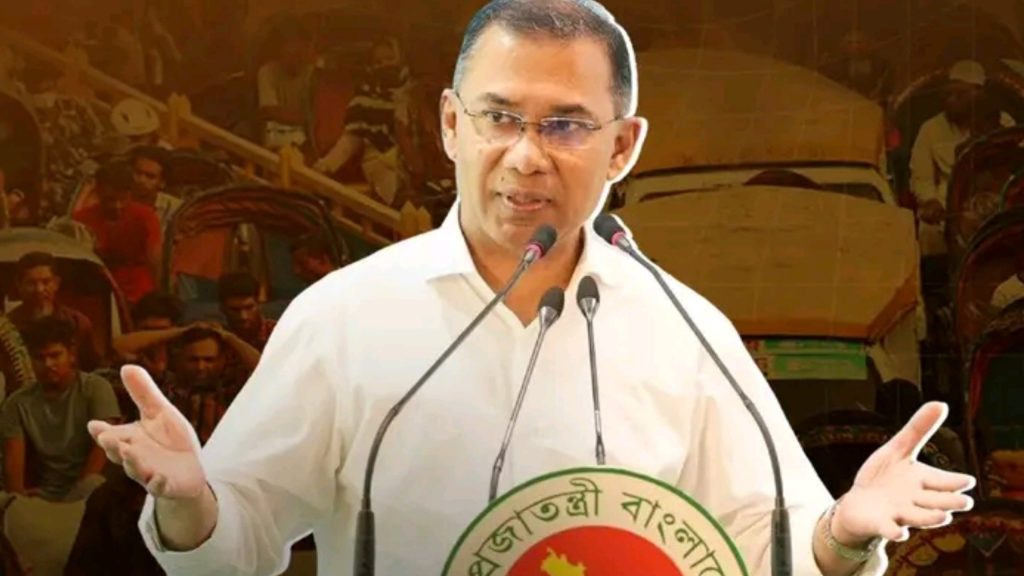
President Mirza Fakhrul Islam Alamgir and Prime Minister Tarique Rahman have both issued messages greeting Bangladesh’s Hindu community on the occasion, a customary gesture that underscores Janmashtami’s status as an official public holiday in the country. National newspapers have carried special features on the festival, while state broadcasters Bangladesh Betar and Bangladesh Television, along with private television and radio stations, are airing programmes exploring different aspects of Krishna’s life and philosophy throughout the day.
What the Day Represents
For Bangladesh’s Hindu community, Janmashtami remains one of the year’s most significant occasions, drawing together prayer, public celebration, and reflection on Krishna’s teachings. Organisations including the Bangladesh Hindu Buddhist Christian Unity Council and the Bangladesh Puja Udjapan Parishad have issued their own greetings for the day, reflecting the festival’s wider resonance across the country’s religious and civic institutions. As the procession makes its way through Old Dhaka this afternoon and temples across the country continue their rituals into the night, the day stands as one of the more visible expressions of Bangladesh’s religious diversity on the national calendar.