
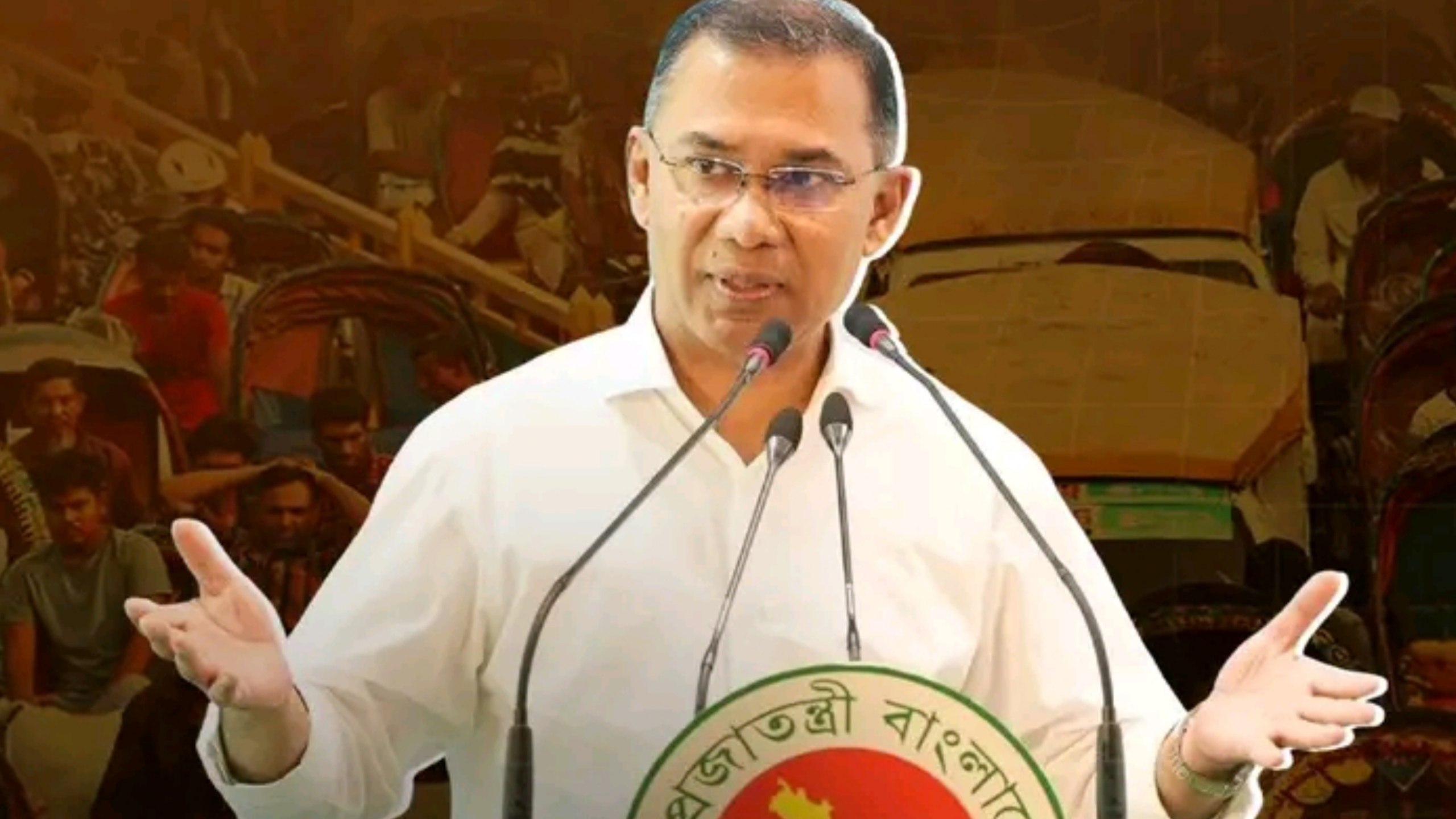
A Policy Becoming a Manifesto: The Bangladesh Nationalist Party (BNP) won a landslide victory earlier this year, winning two-thirds of the seats in parliament on a 51-point manifesto built around nine key promises. Chairman Tarique Rahman, under the slogan “we will work, we will build the nation”, laid out the plan, promising welfare programs, healthcare reforms, education changes and a wider push to modernise the economy.
In the months since, several of these commitments have moved off paper and into policy. Here are seven key government initiatives worth following.
1. Family Card
The Family Card is the government’s premier welfare program aimed at providing direct financial and food support to poor, marginalised and lower-middle-income families. Under the scheme, eligible families get a monthly cash allowance of about 2,000 to 2,500 taka or equivalent essential commodities like rice, oil and lentils at reduced prices.
The program is a database-driven digital platform linked to the National ID system, with QR-coded cards issued mainly in the name of the female head of the household – a choice aimed at ensuring that aid is spent on food, healthcare and education for children. The program, which started in a pilot phase on March 10, is designed to eventually reach around 100 million people.
2. Farmer’s Card
BNP’s manifesto had also promised a dedicated Farmer’s Card, in addition to the Family Card, to provide similar direct-support mechanisms for agricultural households. The card is intended to interface with existing agricultural subsidy systems, providing farmers with more predictable access to support linked to a single, verifiable identity, rather than relying on scattered, harder-to-track subsidy channels.
3. The e-Health Card
On healthcare, the government has promised to introduce a national e-Health Card to every citizen by 2028. “This will be done through a technical assistance project and is part of a larger move for universal health coverage,” Health and Family Welfare Minister Sardar Md Sakhawat Hossain told Parliament.
The card will be tied into a national digital health ID system, giving doctors access to a patient’s medical history, cutting down on fraudulent registrations and creating a more efficient referral system between local clinics and bigger hospitals.
4. A Humane, Free from Corruption Healthcare System
The manifesto also promises a wider reform of the healthcare delivery system, not just with the e-Health Card but also with the elimination of corruption and the right to access healthcare as a fundamental right. Plans include strengthening district hospitals, upgrading upazila health complexes and extending services to remote and hill areas, with a stated aim of gradually raising health sector spending to 5 per cent of GDP.
5. Education as an Employment-Oriented System
The government has also committed to revamping education for employability, to better align school and university curriculum with the abilities that the job market actually requires. This is part of promises for programs to develop technical and language skills to help young graduates compete for jobs at home and abroad, tackling one of the central themes in the manifesto, which is to reduce youth unemployment.
6. Digging 20,000 Kilometres of Rivers and Canals
Among the more ambitious environmental promises in the manifesto is a plan to dig and re-dig 20,000 kilometres of rivers and canals across the country. The initiative is framed as a climate resilience measure but also as a way to restore agricultural irrigation capacity, dealing with water flow issues that have increased flooding and disrupted farming in several areas.
7. Growing the Digital Economy
Rounding out the list is an effort to modernise Bangladesh’s digital economy, including plans to introduce the international payment platform PayPal, set up regional e-commerce hubs and boost exports branded under “Made in Bangladesh”. The manifesto links this digital expansion to a longer-term goal of building a trillion-dollar economy by 2034, with a target of raising foreign direct investment from 0.45 per cent to 2.5 per cent of GDP.
Discover More Stories Worth Your Time
See Why Rising Seas Threaten Dhaka?
Discover why the UN warns millions across Mumbai, Kolkata, and Dhaka face immediate coastal risks.
Find Why Trump Praised Tarique?
Explore what the US president’s letter says about the Boeing aircraft deal.
Learn How Adani Supply Returns?
Discover how Bangladesh’s payment settlement helped restore full electricity supply from the Godda plant.
Explore Why Dengue Cases Rising?
Discover what is driving Bangladesh’s latest dengue surge and the health concerns emerging nationwide.
Check How Sylhet Border Watch Improves?
Explore how the new facility strengthens Bangladesh’s border surveillance and drone capabilities.
Up Next to Watch
Translating nine manifesto pledges and 51 commitments in total into working national programs is a multi-year job, and early signs such as the pilot rollout of the Family Card suggest the government is moving at different speeds on different fronts. The e-Health Card is not expected before 2028, while the river excavation and education reforms may take even longer. The coming months will show how much of this ambitious agenda survives contact with implementation.