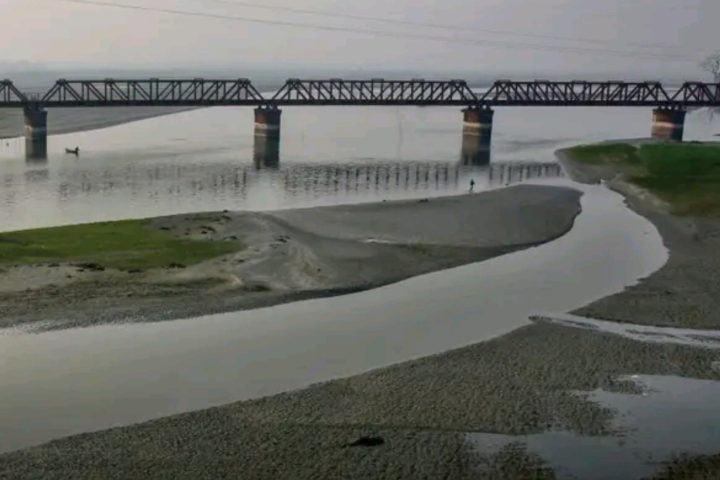

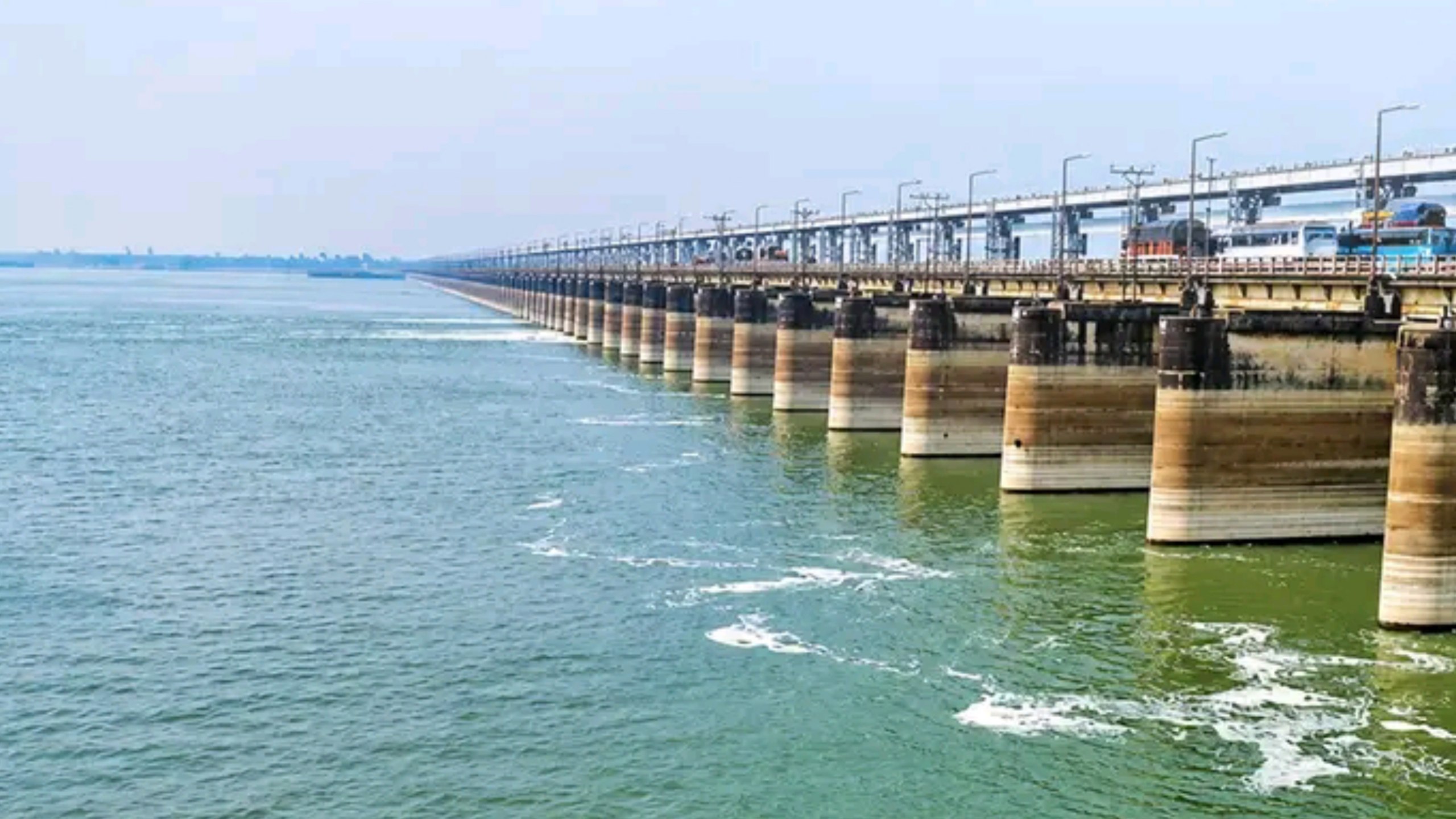
The Ganges Water Treaty was signed in December 1996 between India and Bangladesh to settle a decades-old dispute over how much river water each country gets during the dry season. Under the deal, water flow measured at the Farakka Barrage in West Bengal is split between the two nations from January to May every year, with a roughly equal share when flows are moderate.
The treaty runs for thirty years, which means it is due to expire in December 2026. That deadline has turned a quiet technical agreement into a live political story, and Bihar has become one of its loudest voices.
Why Bihar Feels Left Out
Bihar was never a party to the 1996 treaty. The agreement was worked out between the central governments of India and Bangladesh, with West Bengal as the main Indian state affected. But Bi
har sits just upstream of Farakka, and its leaders argue the barrage itself, not just the water-sharing formula, is the real problem.
Excess siltation near Farakka has been blamed for worsening floods in north Bihar during the monsoon and for choking river navigation. Bihar’s water resources establishment has pushed this argument for years, and it has recently gained more traction within the ruling coalition at the state and central level, giving the demand fresh political weight ahead of the treaty’s renewal talks.
What Bihar Is Actually Asking For
It helps to be precise here, because the loudest version of Bihar’s complaint, that Bangladesh is taking water that rightfully belongs to Bihar, does not really hold up against the treaty’s own text. Bihar has no formal allocation under the 1996 agreement, positive or negative.
What Bihar wants is different: some officials argue the treaty should simply be allowed to lapse rather than renewed, while others want any new deal to account for upstream states’ irrigation and drinking water needs, along with a long-term plan to manage silt buildup around the barrage. Some voices have gone further, repeating a years-old call to reconsider the barrage’s operation altogether.
India’s Own Calculations Are Shifting
Bihar is not acting in isolation. Reports suggest India is preparing to seek a larger share of dry-season water than it received under the 1996 formula, citing rising demand in eastern India for drinking water, irrigation, and industry.
West Bengal, the treaty’s main beneficiary within India, has also written to the Joint Rivers Commission outlining its needs for the post-2026 period. That means Bihar’s demands are landing at a moment when New Delhi is already inclined to push for a tougher negotiating position, not a routine renewal of the old terms.
Discover More Stories Worth Your Time
Check How Sylhet Border Watch Improves?
Explore how the new facility strengthens Bangladesh’s border surveillance and drone capabilities.
Explore Why Dengue Cases Rising?
Discover what is driving Bangladesh’s latest dengue surge and the health concerns emerging nationwide.
See Why Rising Seas Threaten Dhaka?
Discover why the UN warns millions across Mumbai, Kolkata, and Dhaka face immediate coastal risks.
Find Why Trump Praised Tarique?
Explore what the US president’s letter says about the Boeing aircraft deal.
Learn How Adani Supply Returns?
Discover how Bangladesh’s payment settlement helped restore full electricity supply from the Godda plant.
Why Dhaka Cannot Afford to Look Away
For Bangladesh, the Ganges is not a side issue. Farakka’s water sharing affects agriculture, fisheries, and river navigation across a large part of the country, and reduced flow has long been linked to salinity creeping into the Sundarbans.
Bangladesh has already seen how quickly a long-standing water treaty can be upended, after India suspended the separate Indus Waters Treaty with Pakistan earlier this year, a move widely read as a signal that even decades-old river agreements are not untouchable when strategic interests are at stake.
A Joint Technical Committee has been meeting periodically to prepare for renewal talks, and Bangladesh’s negotiators are watching Bihar’s demands closely, aware that domestic Indian politics could shape the terms Dhaka is offered as much as bilateral diplomacy does.
What Happens Next
Nothing is settled yet. India could renew the 1996 formula largely as it stands, negotiate a revised version that folds in updated flow data and a sediment management plan, or let the treaty lapse and restart talks from scratch.
Whatever New Delhi decides will need buy-in from West Bengal, Bihar, and Bangladesh all at once, a combination that has rarely aligned smoothly in the treaty’s thirty-year history. With the December deadline approaching, the coming months will show whether river diplomacy in South Asia can keep pace with the domestic politics now shaping it.