
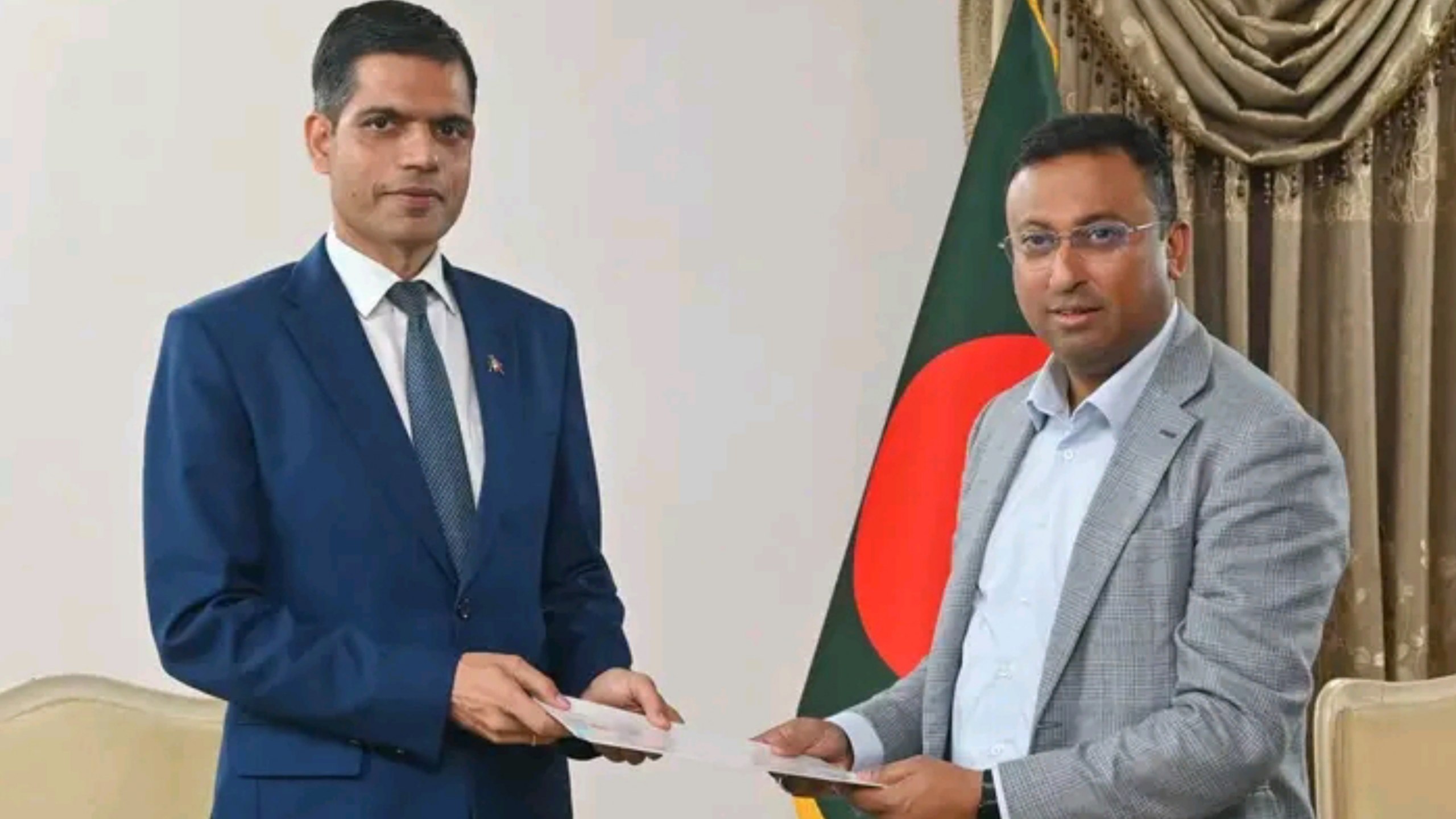
Bangladesh has contributed 1 million US dollars, roughly 12.3 crore taka, to Nepal’s Prime Minister’s Disaster Relief Fund to support relief, recovery, and humanitarian work after severe floods and landslides struck northern Nepal in late August.
State Minister for Foreign Affairs Humaiun Kobir handed over the assistance to Nepal’s Ambassador to Bangladesh, Ghanshyam Bhandari, at the State Guest House Padma in Dhaka. Along with the funds, Kobir passed on a letter from Bangladesh Prime Minister Tarique Rahman addressed to his Nepali counterpart, Balendra Shah, expressing condolences for the lives lost and the damage caused by the disaster.
The Scale of the Disaster in Nepal
The floods and mudslides that hit northern Nepal in late August have become one of the deadliest natural disasters the Himalayan country has faced in years. Nepal’s government has put the death toll above 1,200, with the destruction estimated at around 5 billion dollars.
Entire villages were buried, roads and hydropower tunnels were damaged, and thousands of homes need to be rebuilt. Search efforts continued for days as rescue teams tried to reach areas cut off by landslides, and reports suggest thousands of children and tens of thousands of women and girls have been affected by the disruption to shelter, food, and healthcare.
Bangladesh’s Response Beyond the Donation
The financial contribution follows a series of diplomatic gestures from Dhaka. Bangladesh’s parliament, the Jatiya Sangsad, adopted a condolence motion over the disaster in late August.
Foreign Minister Khalilur Rahman also held a telephone conversation with Nepal’s Foreign Minister to convey solidarity, and Kobir signed a condolence book at the Nepal Embassy in Dhaka earlier in the week before the donation was formally handed over. Bangladesh’s President also issued a separate message of condolence to the people of Nepal.
How This Fits Into the Wider Relief Effort
Bangladesh’s pledge adds to a growing list of international contributions to Nepal’s recovery. The Asian Development Bank has issued a 5 million dollar humanitarian grant, the European Union has allocated 2 million euros along with satellite mapping support, and several other governments and organisations have sent funds, personnel, or equipment to help with search and rebuilding efforts.
Nepal’s government has also appealed directly to international climate finance bodies, arguing that the scale of destruction calls for faster emergency funding mechanisms rather than the slower, project-based support such funds typically offer.
Why the Gesture Matters Regionally
Nepal, Bangladesh, and India share close cultural and economic ties across the Himalayan and Gangetic belt, and disasters in one country routinely affect the others through shared rivers, trade routes, and migrant labour networks. Bangladesh’s relatively swift response, condolences within days of the disaster and funds committed within two weeks, signals an effort by Dhaka to maintain warm ties with Kathmandu at a time when South Asian countries are increasingly leaning on regional solidarity during climate-linked disasters.
Flooding across the wider Himalayan and Gangetic region has grown more frequent and more destructive in recent years, and aid of this kind is increasingly seen as part of a country’s diplomatic posture with its neighbours, not just charity.
Discover More Stories Worth Your Time
Check How Sylhet Border Watch Improves?
Explore how the new facility strengthens Bangladesh’s border surveillance and drone capabilities.
Explore Why Dengue Cases Rising?
Discover what is driving Bangladesh’s latest dengue surge and the health concerns emerging nationwide.
See Why Rising Seas Threaten Dhaka?
Discover why the UN warns millions across Mumbai, Kolkata, and Dhaka face immediate coastal risks.
Find Why Trump Praised Tarique?
Explore what the US president’s letter says about the Boeing aircraft deal.
Learn How Adani Supply Returns?
Discover how Bangladesh’s payment settlement helped restore full electricity supply from the Godda plant.
What Comes Next for Nepal
Nepal’s government now faces a long recovery process, from rebuilding damaged infrastructure and early-warning systems to resettling displaced families. Officials in Kathmandu have said they are also seeking compensation and support from other neighbouring countries whose upstream activity may have worsened the flooding, though those conversations remain separate from bilateral aid like Bangladesh’s contribution.
For now, Dhaka’s 1 million dollar pledge stands as one of the earlier confirmed contributions from a South Asian neighbour, and Nepal is expected to continue receiving support from governments, multilateral banks, and aid organisations in the weeks ahead as the true scale of the damage becomes clearer.