Imagine waiting more than six decades for a power plant. That is roughly how long Bangladesh has waited, and the wait is nearly over.
A Delayed Flight, Then a Fresh Promise
Last week brought a hiccup. A plane carrying fuel for Unit 1’s yearly refuelling couldn’t take off because Pakistan didn’t grant overflight clearance. Rosatom, the Russian contractor, was quick to reassure everyone. It said fuel for Unit 2 will start arriving in October and wrap up by the end of December. According to the project director, the first load for Unit 2 was planned as seven weekly flights starting October 8.
How We Got Here
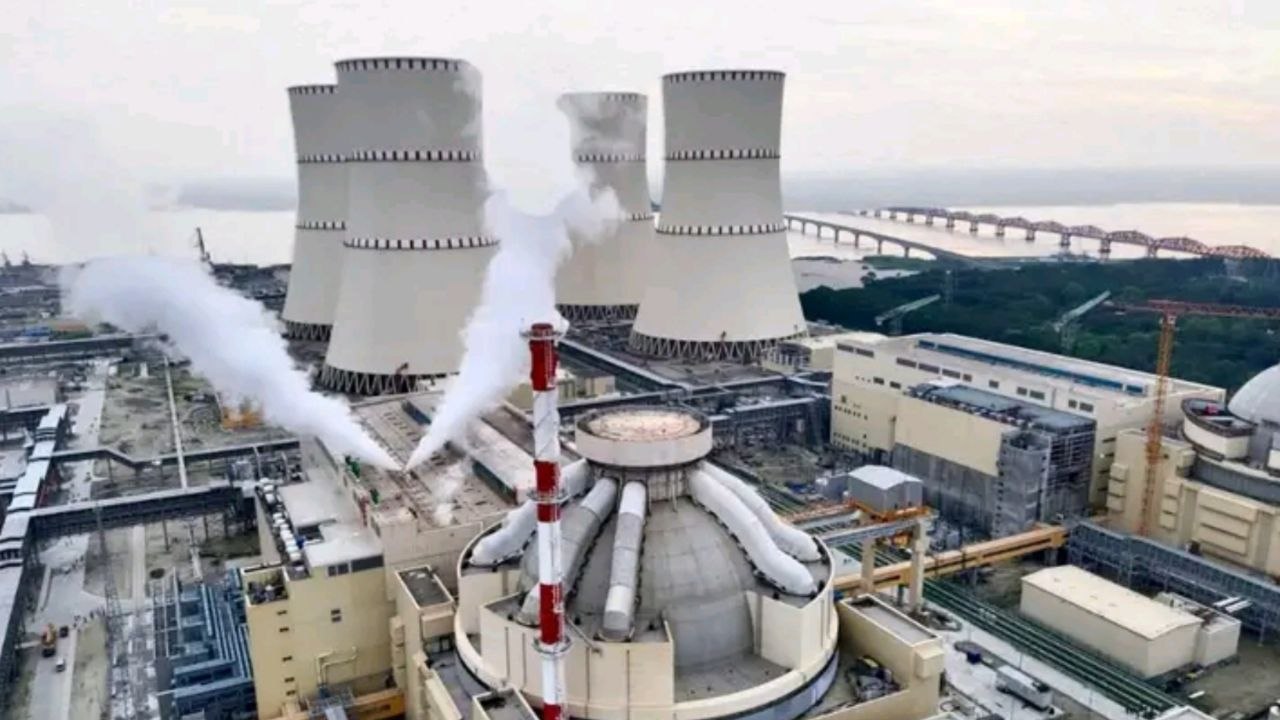
This isn’t the country’s first uranium moment. The first batch landed in Dhaka in September 2023 and went by road to Rooppur under heavy security. That arrival is what officially made Bangladesh a nuclear-energy country. The real milestone came this year. On April 28, 2026, Rosatom began loading fresh fuel into Unit 1. In all, 163 fuel assemblies went into the reactor core.
What Happens Next
Think of it as warming up an engine before a long drive. The reactor is first brought to a minimum, stable power level, then raised in steps.
In June, the science minister told parliament the plant could send about 300MW to the national grid by the end of August. Whether that has happened is something to check with official updates. Unit 2 is still on its way. Officials expect it to begin commercial operation in 2028.
Why It Matters to Ordinary People
Rooppur is about the lights staying on. When complete, it will produce 2,400 megawatts. That is a big chunk of supply for a country where outages hit factories and households alike. It’s also a long-running story of delays. The original plan had Unit 1 running in December 2022. Revised agreements now set deadlines of 31 December 2026 for Unit 1 and 31 December 2027 for Unit 2.
Discover More Stories Worth Your Time
Explore Avengers’ Box Office Journey?
Discover how Avengers: Endgame performed worldwide, including domestic and re-release earnings.
Discover 5 Hilsa Recipes To Try?
Explore five delicious ways to enjoy Bangladesh’s iconic hilsa before the season ends.
See How Cox’s Bazar Airport Expands?
Learn how the new terminal supports Bangladesh’s growing aviation ambitions and regional connectivity.
Uncover What Happens After Islands?
Discover how mangroves could become the first colonisers when new land emerges in the Sundarbans.
Check Why Rooppur Shipment Was Disrupted?
Explore how Pakistan’s airspace clearance decision affected the planned nuclear fuel shipment to Bangladesh.
The Money and the Worries
The price tag is huge. The project costs $12.65 billion. Russia is financing 90 percent of it. That means repayments for years to come. Electricity pricing is another open question. Early estimates put power at Tk 6 per unit, but newer ones suggest it could reach Tk 12. If that holds, nuclear power may not be as cheap as first promised.
Safety is the other concern. Officials point to features like a “core catcher” designed to contain molten fuel in a worst-case meltdown. Russia has also agreed to take back the spent fuel.
The local feeling is mixed. The Daily Star’s coverage from Rooppur captured both elation and unease among residents.
Our Take
The delayed flight is a reminder that a project this big depends on more than engineering. It also depends on airspace, paperwork and diplomacy. Still, the reactor is loaded, and the timeline looks achievable. The bigger test comes after the celebrations: steady output, honest tariffs and clear communication about safety. That is what will decide whether the Rooppur Nuclear Power Plant earns lasting public trust.
FAQs
1. Did Bangladesh already receive uranium before?
Yes. The first shipment arrived in September 2023, and Unit 1’s reactor was loaded in April 2026.
2. When will Unit 2 get its fuel?
Rosatom says deliveries run from October to December 2026.
3. How much electricity will Rooppur produce?
Two units of 1,200 MW each, for 2,400 MW in total.
4. What happens to the used fuel?
Russia has agreed to take it back.
5. Who is paying for it?
Russia is financing 90 percent of the $12.65 billion cost.