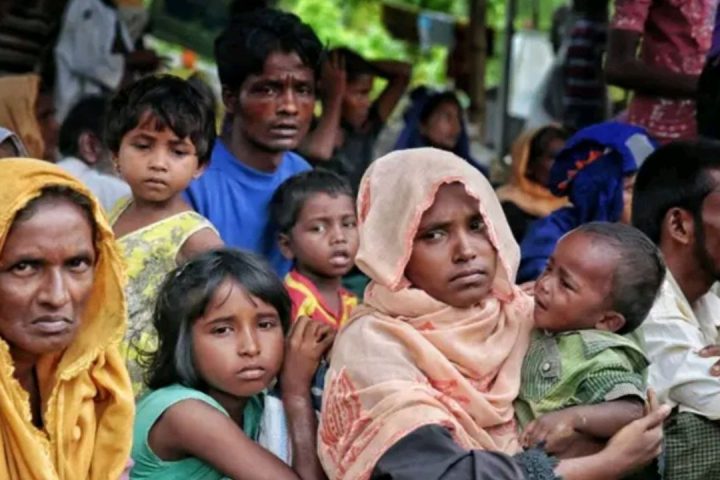
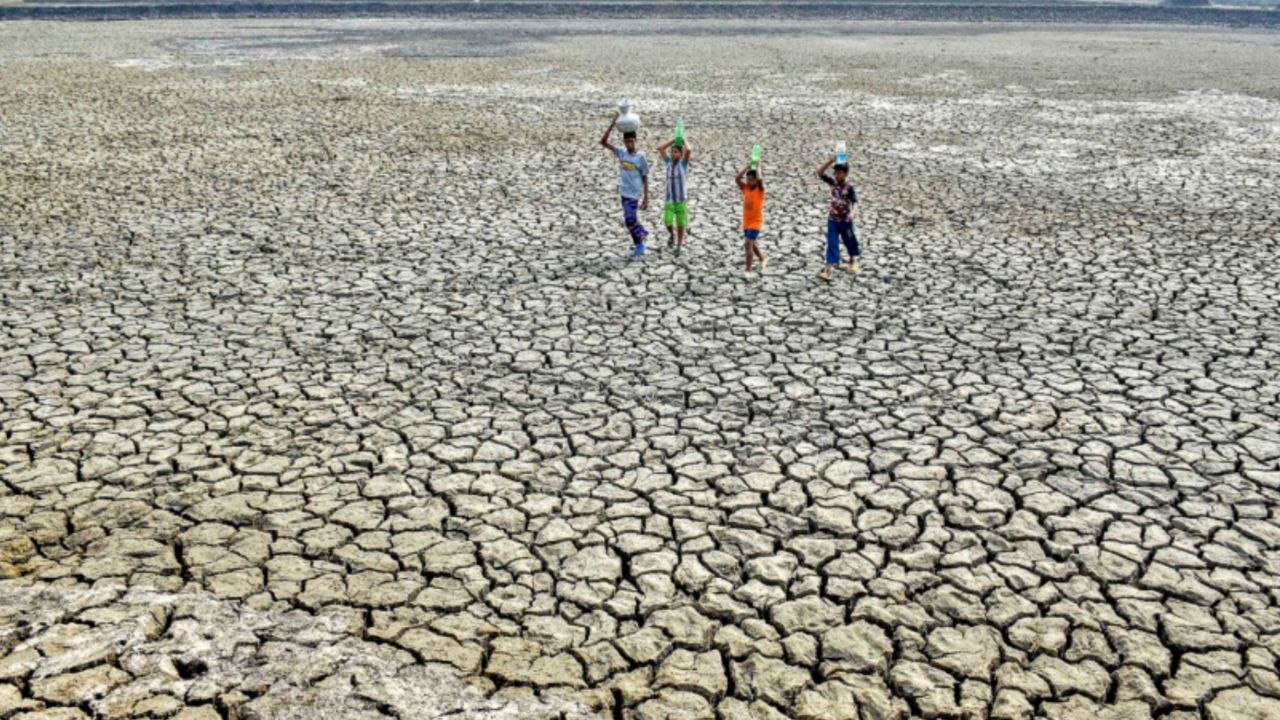
Zainab Begum’s two sisters left Gabura to pick waste in Tamil Nadu, more than 2,000 km away. Getting there meant crossing the border illegally. That story, told in a 2018 climate report, captures why the Gabura livelihood transition matters.
A Village Rebuilt, Again and Again
Gabura was among the areas worst hit by Cyclone Aila, and Begum says not a single house was left standing. She described little reason for people to stay. Many families tried shrimp farming next. It worked for a while, then stopped. Rising salinity and viral outbreaks made shrimp a precarious bet, and many small farms failed.
The Quiet Shift to Crab
Today, many locals have turned to the mud crab. Crab farming here usually means soft-shell crabs: crabs raised until they moult, then harvested before the new shell hardens. Around 30,000 people in Satkhira are involved in crab farming, and production is nearing 2,000 tonnes, mostly around Burigoalini and Gabura. A Daily Star report also describes the work as needing less land than shrimp. Satkhira exported 567 tonnes of crab worth $6.7 million in FY20. t
The Catch: Nature and Rules Still Decide
The new livelihood is not risk-free. Most crab seed still comes from the Sundarbans, which puts pressure on the forest. Wild collection also kills many other fish species as bycatch. Seasonal bans add another squeeze. Around 5,000 crab harvesters were reported hit by a two-month ban, with no compensation. One fisheries officer says crab farming is held back by thin government support compared with shrimp. Marketing and technical help are limited.
The Border Is Part of the Story
For years, crossing into India was a backup plan for poor coastal families. That backup is now shakier. In May 2025, 78 people were reportedly pushed into the Sundarbans near Mandarbaria, in Shyamnagar.
Later that year, a PTI-sourced report from the Hakimpur crossing in West Bengal described a reverse flow. Border officials said 150 to 200 people a day were being detained and pushed back after verification, and men from Satkhira said they had paid Rs 5,000 to 7,000 to enter. The Wire reports that West Bengal’s new government launched a “Detect, Delete and Deport” drive after taking office in April this year. Families who came for work are being sent back across the border.
Discover More Stories Worth Your Time
Explore Avengers’ Box Office Journey?
Discover how Avengers: Endgame performed worldwide, including domestic and re-release earnings.
Discover 5 Hilsa Recipes To Try?
Explore five delicious ways to enjoy Bangladesh’s iconic hilsa before the season ends.
See How Cox’s Bazar Airport Expands?
Learn how the new terminal supports Bangladesh’s growing aviation ambitions and regional connectivity.
Uncover What Happens After Islands?
Discover how mangroves could become the first colonisers when new land emerges in the Sundarbans.
Check Why Rooppur Shipment Was Disrupted?
Explore how Pakistan’s airspace clearance decision affected the planned nuclear fuel shipment to Bangladesh.
Why It Matters
Local income, climate pressure and migration politics now overlap in one coastal belt.
If border work shrinks, more families may depend on crab. That could raise pressure on Sundarbans crab seed, unless hatcheries scale up. The Green Climate Fund is already backing crab hatcheries in the region to ease that strain. The honest takeaway is that nobody can promise this shift will last. It depends on cheaper, hatchery-raised seed, fair rules during ban periods, and a calmer border.
FAQs
What is the Gabura livelihood transition?
It is the move by families in Gabura and nearby areas from shrimp farming, forest fishing and migrant labour toward crab farming.
Why did shrimp farming decline?
Rising salinity and disease hit many small farms hard.
Is crab farming profitable?
Some farmers report good earnings, and yields are higher in the monsoon. But returns depend on the season, seed supply and market access.
How does the India border affect Gabura?
Many coastal families have historically sought work in India. Recent push-backs and document checks have made that harder and riskier.
Does crab farming harm the Sundarbans?
Wild seed collection can. Hatcheries are meant to reduce that pressure.