The Special Intensive Revision is a house-to-house check of who belongs on the voter list. The commission argues that it clears out duplicate, deceased and ineligible entries, and the Supreme Court has said it falls within the commission’s constitutional duty to hold free and fair elections.
Critics say the real problem lies in how it works. Voters are often asked to produce old documents, and a small spelling mismatch in decades-old records can be enough to get a name flagged. Opposition parties and civil society groups argue this puts poorer, migrant and minority citizens at a disadvantage. In West Bengal, around nine million names were reportedly removed before this year’s assembly elections, and Muslims made up a larger share of the deletions than of the state’s population. The BJP won the state for the first time.
The Report That Changed the Debate
The controversy deepened when the Indian Express published internal documents suggesting that Election Commissioners Sukhbir Singh Sandhu and Vivek Joshi had questioned measures issued under Chief Election Commissioner Gyanesh Kumar. Their objections reportedly covered the new registration form, deletions and restorations, appeals and the security of the list. One commissioner reportedly called a change unauthorised and illegal.
The report also described how editing powers on the commission’s digital platform had become more centralised in Delhi. In Goa, officials reportedly flagged nearly a hundred wrongly deleted voters but could not fix them locally, and their emails to Delhi went unanswered before the deadline.
The commission responded that the report reflected normal differences of opinion and that all decisions were unanimous. A BJP spokesperson went further, calling such debate a sign of a healthy democracy.
The Opposition Escalates
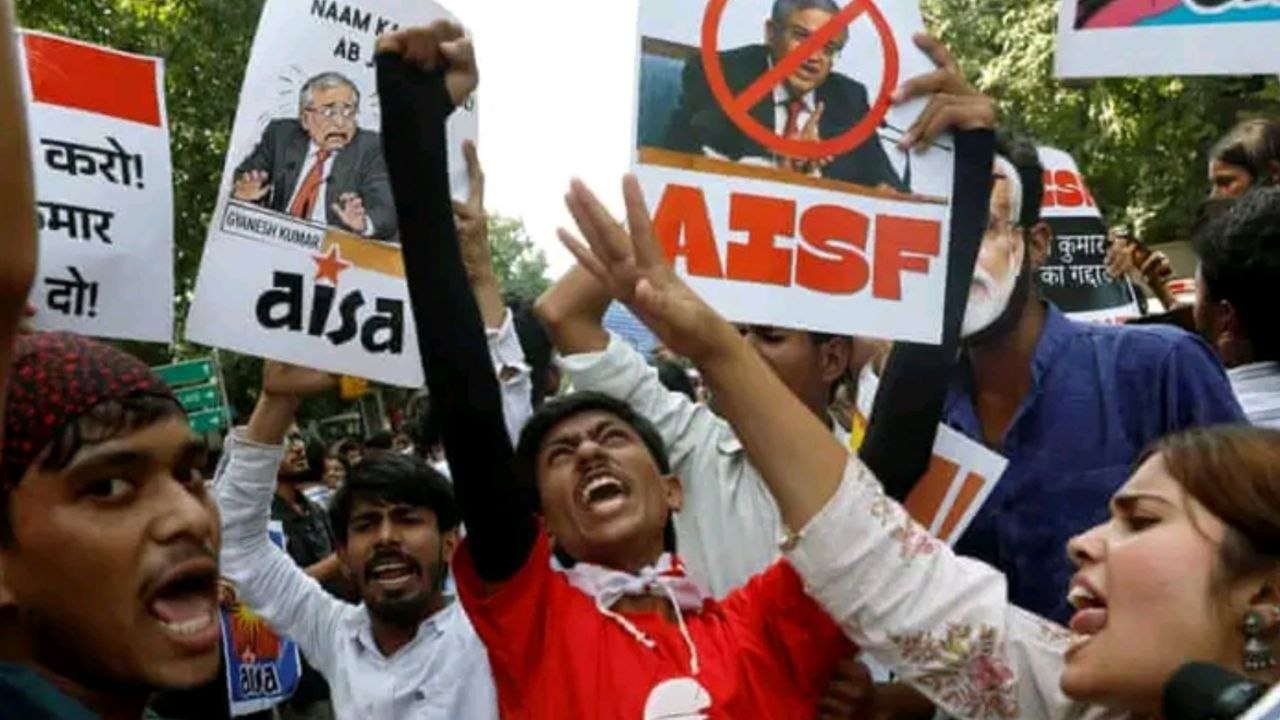
The reaction has been swift. Rahul Gandhi has demanded the chief commissioner’s resignation and described the situation as a crisis of faith in elections. The youth-led Cockroach Janta Party gave Kumar a deadline to quit, which passed on Saturday without a resignation. Protests have been reported in Delhi, Patna, Thiruvananthapuram and several other states, with police using water cannons and tear gas in some places.
On September 30 the INDIA bloc set out three demands: Kumar’s resignation, a rollback of the SIR and a return to paper ballots. Its leaders plan to meet President Droupadi Murmu in the second week of October, and an impeachment motion has been discussed. Even an NDA ally, the JDS, has asked the commission to clarify whether there were differences among its members. Union minister Shivraj Singh Chouhan, meanwhile, dismissed the campaign as frustration after defeat.
The Independence Question
The deeper issue is whether the commission can be seen as neutral. The Constitution protects its independence, and the chief commissioner can be removed only in the way a Supreme Court judge is removed, which is a very high bar. Appointments, however, are another sore point. The Supreme Court ruled in 2023 that a panel including the prime minister, the leader of the opposition and the Chief Justice should choose commissioners, but Parliament later changed the law to replace the Chief Justice with a Union minister. Critics say this tilts the process toward the government of the day.
Former chief election commissioner SY Quraishi has said the institution’s reputation has taken a serious blow. Analysts quoted in recent reporting say the larger danger is that doubts about the voter list could spread into doubts about results themselves, even though there is no firm evidence of widespread manipulation changing national outcomes.
Discover More Stories Worth Your Time
See Which Foods Ease Seasonal Changes?
Explore five comforting foods that can help you feel your best.
Explore Why Wages Stay Frozen?
Discover how stagnant minimum wages are affecting Bangladesh’s garment workers and families.
Check How Conflict Hurts Jobs?
Explore why Middle East tensions could threaten Bangladesh’s jobs and poverty gains.
Learn How To Spot H1N1?
Discover H1N1 symptoms, prevention tips, and essential facts for Bangladesh.
Find Which Netflix Picks Worth Watching?
Discover binge-worthy Netflix choices for a relaxing weekend at home.
What Happens Next
Much now depends on whether the commission can show transparency. It has already announced relaxations, including a special drive allowing deleted voters to reapply. Publishing clear criteria for flagging voters, restoring local control over corrections and answering the questions raised by its own members would go a long way. Whether that happens, or whether the standoff hardens, will shape trust in India’s elections well beyond this season.
Frequently Asked Questions
What is the Special Intensive Revision?
It is a large-scale verification of electoral rolls in which voters may have to prove their eligibility with supporting documents.
Why is the opposition demanding Gyanesh Kumar’s resignation?
It alleges he overruled his fellow commissioners and ran the SIR in a way that favours the BJP. The commission and the BJP reject this.
Has the Supreme Court approved the SIR?
Yes. In May 2026, it held the exercise to be within the commission’s legal mandate.
Can the Chief Election Commissioner be removed?
Only through a process similar to the impeachment of a Supreme Court judge, which needs Parliament’s backing.
What are the INDIA bloc’s demands?
Kumar’s resignation, a rollback of the SIR and a return to paper ballots.
Highlights
- The SIR, which began in June 2025, has removed more than 130 million names from voter lists, according to reports.
- The Indian Express reported that two election commissioners objected on record at least 14 times in ten months.
- The commission says every decision was taken with the approval of all three members.
- The INDIA bloc is holding Save Democracy Marches from October 2 to October 8, with a march to the commission’s headquarters on October 6.
- The Supreme Court upheld the legality of the SIR in May 2026.