
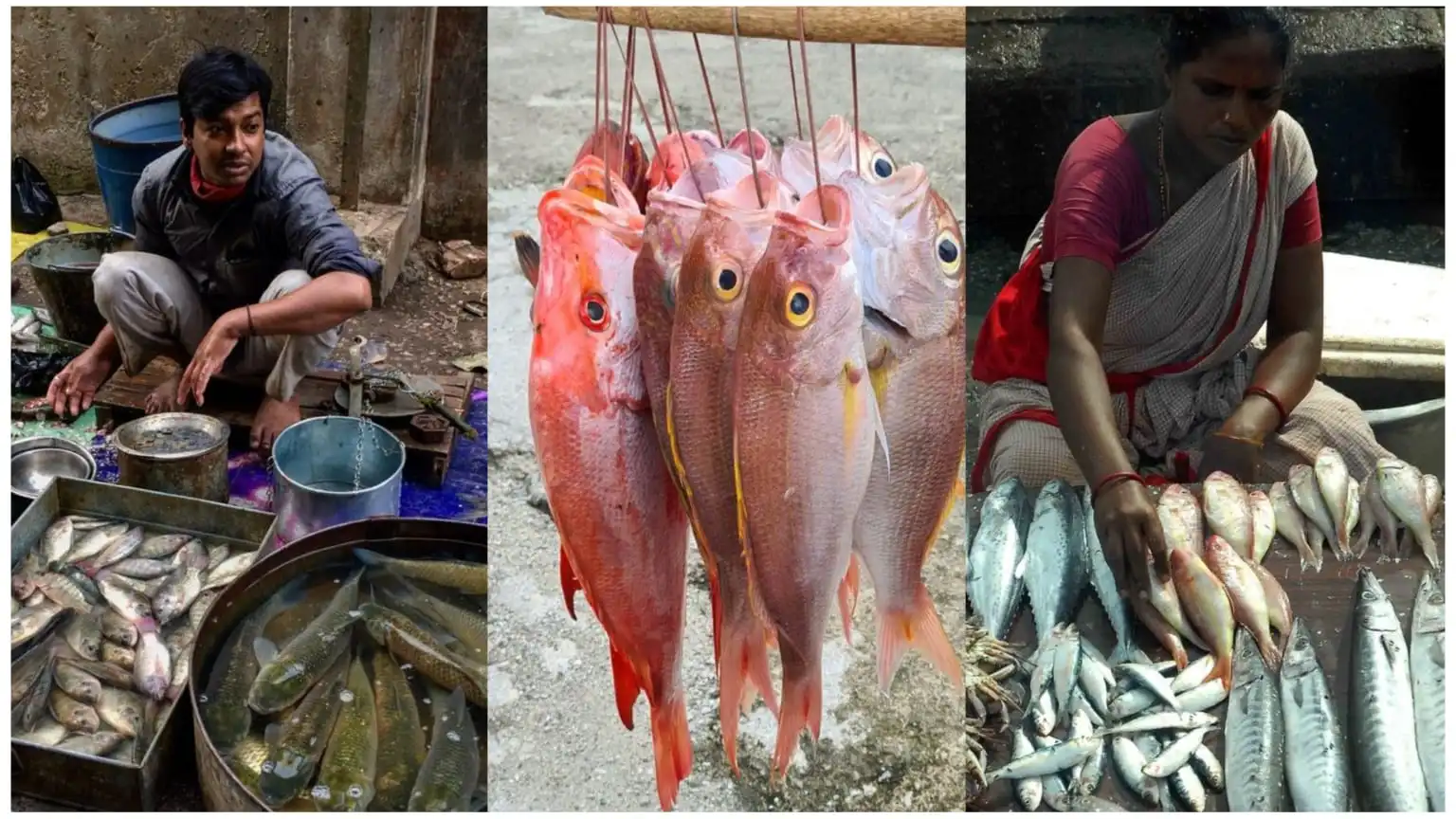
Bangladesh is a land of rivers. For centuries, that was literally true. Fish were procured from the beel, the haor and the canal surrounding the village. But much of that water is gone today, filled in, silted up or poisoned, and the bill is starting to show up in numbers. One recent study estimates the annual loss from shrinking waters at more than Tk 22,000 crore.
The origin of the number
Between 2001-02 and 2022-23, Bangladesh lost more than 1.05 million hectares of inland open water, a reduction of 21.52 percent in water surface area. That shrinkage costs the country nearly 380,000 metric tons of potential wild fish production every year, worth an estimated Tk 22,763 crore, according to the analysis. This is a measure of lost potential, not money taken out of anyone’s pocket, but it gives an idea of what natural waters once were worth.
What changed the fish economy
During the pre-1971 years, open water bodies like rivers, beels, haors and canals contributed to about 90 percent of the country’s fish. Pond farming contributes 60.6 percent, or about 3.14 million tons, of the national output. Bangladesh remains the world’s top hilsa producer and fifth in the world in aquaculture.
But ponds can’t replace what healthy rivers and wetlands provide. They offer a less diverse range of species and perform fewer ecological services. An IUCN assessment in 2015 found 64 freshwater fish species under threat of extinction due to habitat loss, pollution and illegal fishing.
Who’s drinking the water?
Rivers, canals and beels are being silted up or illegally filled up for housing, factories and other commercial purpose. Dhaka is a good example of the problem. In over 30 years, the built-up area of the capital grew 288 per cent, while water bodies shrank by 60 per cent. The rivers in the vicinity of the city contain heavy pollution and the dissolved oxygen in some has reached a level that most aquatic life cannot survive.
The Rivers Are Dying Too
A 2025 study by the River and Delta Research Centre found that at least 79 rivers in the country have either died or are drying up. Of the around 24,000 kilometres of river network, only about 3,800 kilometres are navigable during the dry season. “The World Bank has estimated that the pollution of rivers already costs Bangladesh $2.83 billion a year.”
What is to be done?
Parliament has passed Bangladesh Haor and Wetland Conservation Act 2026 that has introduced tougher punishments including a maximum fine of Tk 10 lakh and imprisonment for damaging wetlands. “It will depend on enforcement whether it works. Encroachment laws and court orders have existed for years, but wetlands continued to vanish.
What It Costs
The Tk 22,000 crore loss is only the loss that can be counted in fish. It does not include flood protection and groundwater recharge, cleaner water, or the livelihoods of fishing families.” It is probably far cheaper to protect what is left than to repair the damage if it is lost.
Discover More Political Stories with Pulse
Is Sheikh Hasina planning to return to Bangladesh in December 2026?
Sheikh Hasina’s possible return to Bangladesh has raised questions about the legal and political challenges she could face. Read more about the reported December 2026 return plans and the legal hurdles in this Bangla Pulse report on Sheikh Hasina’s return plans.
What could happen if Sheikh Hasina returns to Bangladesh?
Her return could raise legal questions involving ongoing proceedings, court orders and the cases filed against her. The possible consequences would depend on the applicable legal procedures and decisions by the relevant authorities. Explore this report on what could happen if Sheikh Hasina returns home.
Why is Sheikh Hasina’s extradition from India back in focus?
The question of Sheikh Hasina’s extradition has drawn attention to Bangladesh-India relations, diplomatic discussions and the legal arrangements governing extradition. Read this report on the meeting and India’s position on Sheikh Hasina’s extradition for further details.
Can India extradite Sheikh Hasina under the 2013 extradition treaty with Bangladesh?
The 2013 India-Bangladesh extradition treaty provides a legal framework for extradition requests, subject to its provisions and applicable procedures. Whether Sheikh Hasina would be extradited depends on the treaty’s application, relevant legal considerations and the decisions of the authorities involved. Read more in this analysis of the extradition treaty and diplomatic pressure.
What is the latest reported development in Sheikh Hasina’s death sentence case?
The death sentence case involving Sheikh Hasina has attracted significant attention because of its legal and political implications for Bangladesh. For details on the reported verdict and subsequent developments, read the latest updates on Sheikh Hasina’s death sentence.