
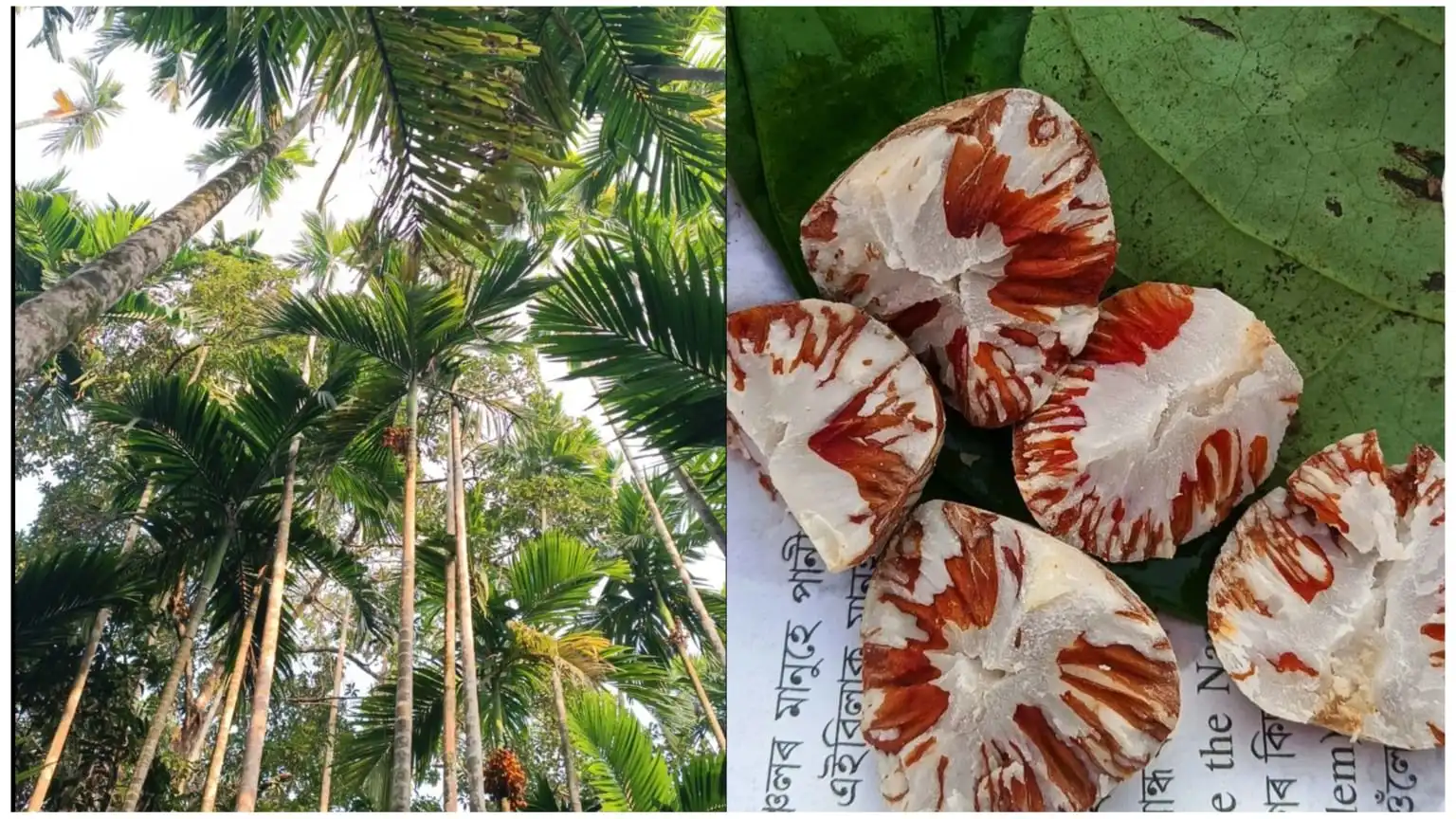
Lakshmipur is heading for a strong betel nut season, with sales expected to reach around Tk 700 crore. Favourable weather and suitable soil have helped produce a bumper crop in one of Bangladesh’s leading betel nut districts.
Markets In The District Busy
More than 50 wholesale markets are now in operation in the district’s five upazilas, and harvesting and marketing of crops are gaining speed. These include Ramganj, Raipur, Lakshmipur Sadar, Kamalnagar and Ramgati.
Production Numbers
The Department of Agricultural Extension (DAE) said that the production of betel nuts this season was around 42,000 tons from 7,250 hectares of land. Output is slightly down from last time, but farmers are happy with prices and demand.
Raipur Takes The Lead
The largest share is from Raipur upazila, followed by Lakshmipur upazila. Local trader Mokhlesur Rahman said Raipur is the source of more than half of the district’s betel nuts. He estimated the yield of the season to be about Tk 700 crore.
What Buyers Are Paying For
Ripe betel nut is being sold at Tk 160-170 per pon of 80 pieces. A kaon, or 1,280 pieces, costs Tk 2,400-2,700.
Alternative Estimates
Another report by Tob News says agri officials expect Tk around 710 crore. It also reported higher prices of kaon at Tk 3,000 to 3,100 against Tk 2,500 to Tk 2,800 last year. The figures are different to those of The Daily Star, and this may reflect differences in quality, variety or timing.
Why Farmers Love Betel Nut
Farmers say betel nut is cheap to grow and gives a steady income when the trees mature. It is drawing more growers to the crop in coastal Bangladesh.
The main harvest is in the Bengali months of Kartik and Agrahayan, so trade should be busy for weeks to come. Final sales will depend on prices holding up as more nuts come to market.
Discover Agriculture with Bangla Pulse
1. How can the Farmer Card help farmers in Bangladesh?
The Farmer Card could help farmers access agricultural support, improve transparency in benefit distribution and reduce difficulties in obtaining farming inputs and financial assistance. Learn more about how the Farmer Card could support smart farming and fair prices.
2. What is the interest rate on agricultural loans for marginal farmers in Bangladesh?
Bangladesh Bank has capped interest rates on specified agricultural loans for marginal farmers at 7 per cent, according to the reported policy. Farmers should check the applicable eligibility criteria and loan conditions with their banks. Read more about Bangladesh Bank’s 7 per cent cap on farm loans for marginal farmers.
3. Can farmers in Bangladesh receive emergency loans after heavy rainfall damages their crops?
Emergency agricultural loans may provide financial support to eligible farmers affected by heavy rainfall and crop losses. Availability depends on the relevant scheme, eligibility requirements and lending institution. Learn more about emergency loans for rain-hit farmers.
4. How can affordable agricultural loans benefit small and marginal farmers?
Affordable loans can help small and marginal farmers purchase seeds, fertilisers and other farming inputs without taking on excessive borrowing costs. Access to suitable credit can also help farmers manage seasonal expenses. Explore Bangladesh Bank’s agricultural loan interest-rate cap for marginal farmers.
5. How can the Farmer Card improve agricultural pricing and farmers’ incomes?
A well-designed Farmer Card system could improve access to government support, strengthen farmers’ access to agricultural services and promote greater transparency in the farming supply chain. Its impact on income and pricing would depend on implementation and market conditions. Read more about the Farmer Card, smart farming and fair agricultural prices.