
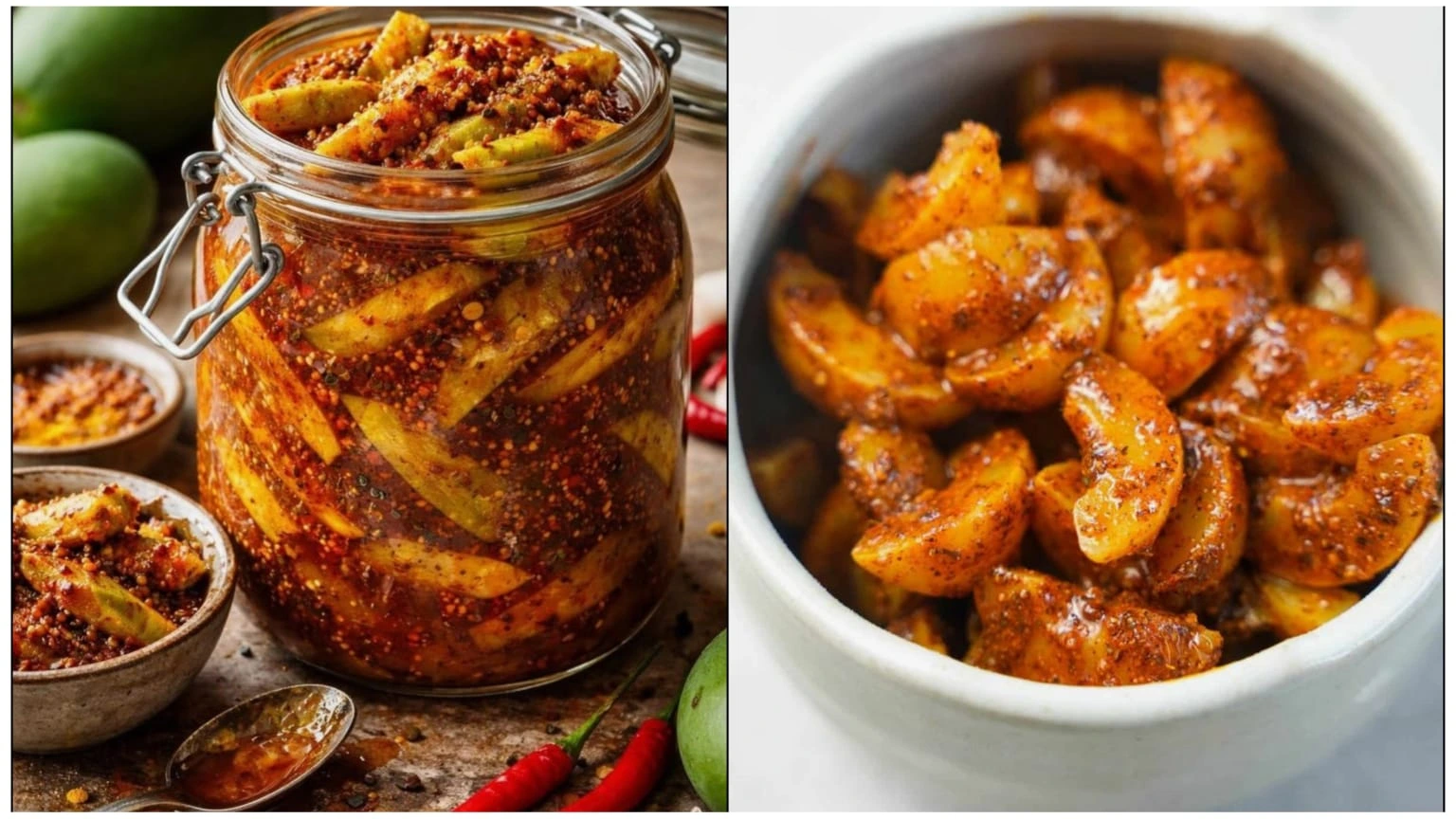
Amla (Indian gooseberry) is loved for hair oils, hair masks and glowing face packs, but fresh amla is seasonal and spoils fast. Preserve it the way you would for achar: clean jars, dry hands, the right amount of salt or oil and a little patience. Here are five easy methods, written like pickle recipes.
1. Sun-Dried Amla Slices (Amla Chips)
You need: 1 kg fresh amla, a pinch of turmeric (optional), a clean muslin cloth.
Method: Steam the amla for 5 to 7 minutes until the segments open. Cool, deseed and separate the segments. Spread them on a clean tray or cloth, cover lightly and dry in strong sun for 3 to 5 days until crisp. Store in a dry, airtight glass jar. They keep well for several months and are the best base for oils and powders.
2. Homemade Amla Powder
You need: Fully dried amla slices.
Method: Grind the completely dry slices in a dry grinder and sift the powder. Spoon it into a dry jar with a tight lid. Always use a dry spoon, because even one drop of water can bring mould. Use it for hair packs, face masks and scrubs.
3. Amla Oil Infusion (Achar Style Oil Jar)
You need: ½ cup dried amla slices, 1 cup coconut or sesame oil, a few fenugreek seeds (optional).
Method: Put the dried slices in a dry glass jar and pour in the oil until they are fully covered. Close and keep in the sun for 7 to 10 days, shaking daily, as you would with an oil achar. Strain and store in a clean bottle. Use dried amla, not fresh, because moisture in fresh fruit can spoil the oil.
4. Salt-Preserved Amla (Pickle Style Jar)
You need: 500 g whole amla, 3 tbsp rock salt, ½ tsp turmeric.
Method: Steam the amla until just soft, then cool and dry it completely. Toss with salt and turmeric, pack into a sterilised dry jar and press down. Keep in the sun for a few days, then store in the fridge. Rinse off the salt before using it in a hair rinse or mask. Do not apply it directly to the skin.
5. Frozen Amla Puree Cubes
You need: 500 g fresh amla, a little water.
Method: Deseed the amla, blend into a smooth puree with a splash of water and pour into an ice cube tray. Freeze, then move the cubes into a freezer bag. Thaw one cube at a time for a hair mask or face pack. Do not refreeze thawed puree.
Storage Tips That Matter
- Sterilise jars and let them dry completely before filling.
- Keep jars away from damp areas and direct heat.
- Label each jar with the date.
- Throw away anything that smells sour, looks fuzzy or changes colour.
- Do a patch test on your inner arm before using a new amla mixture on your face or scalp.
Discover More Recipes with Bangla Pulse
1. What are some healthy comfort foods to enjoy during the monsoon in Bangladesh?
Healthy monsoon comfort foods include warm soups, khichuri, seasonal vegetables and light homemade meals. Choosing fresh ingredients and balanced portions can make rainy-day meals both nutritious and satisfying. Explore our guide to healthy monsoon comfort food recipes.
2. What are the best light meals to eat during summer in Bangladesh?
Light meals such as fresh salads, yoghurt-based dishes, seasonal fruits, vegetables and lightly cooked meals can help keep the body refreshed during hot weather. Discover more ideas in our guide to light and cool meals that revitalise your body in summer.
3. What is Beef Kala Bhuna, and why is it popular in Bangladesh?
Beef Kala Bhuna is a traditional Bangladeshi meat dish known for its dark colour, rich spices and slow-cooked flavour. It is particularly associated with Chattogram’s culinary heritage and is popular at family gatherings and festive occasions. Read our ultimate guide to Beef Kala Bhuna.
4. How can people prepare healthy comfort food during the rainy season?
People can prepare healthier rainy-season meals by using fresh vegetables, lentils, seasonal ingredients and moderate amounts of oil and spices. Homemade soups and balanced rice-based dishes are also satisfying options. Find inspiration in our collection of healthy monsoon comfort food recipes.
5. How can traditional Beef Kala Bhuna be made tender and flavourful?
Slow cooking, proper marination and a balanced blend of traditional spices help develop Beef Kala Bhuna’s signature dark colour and rich flavour. Cooking the meat patiently allows the spices to blend with the gravy. Learn the preparation techniques in our ultimate Beef Kala Bhuna guide.