
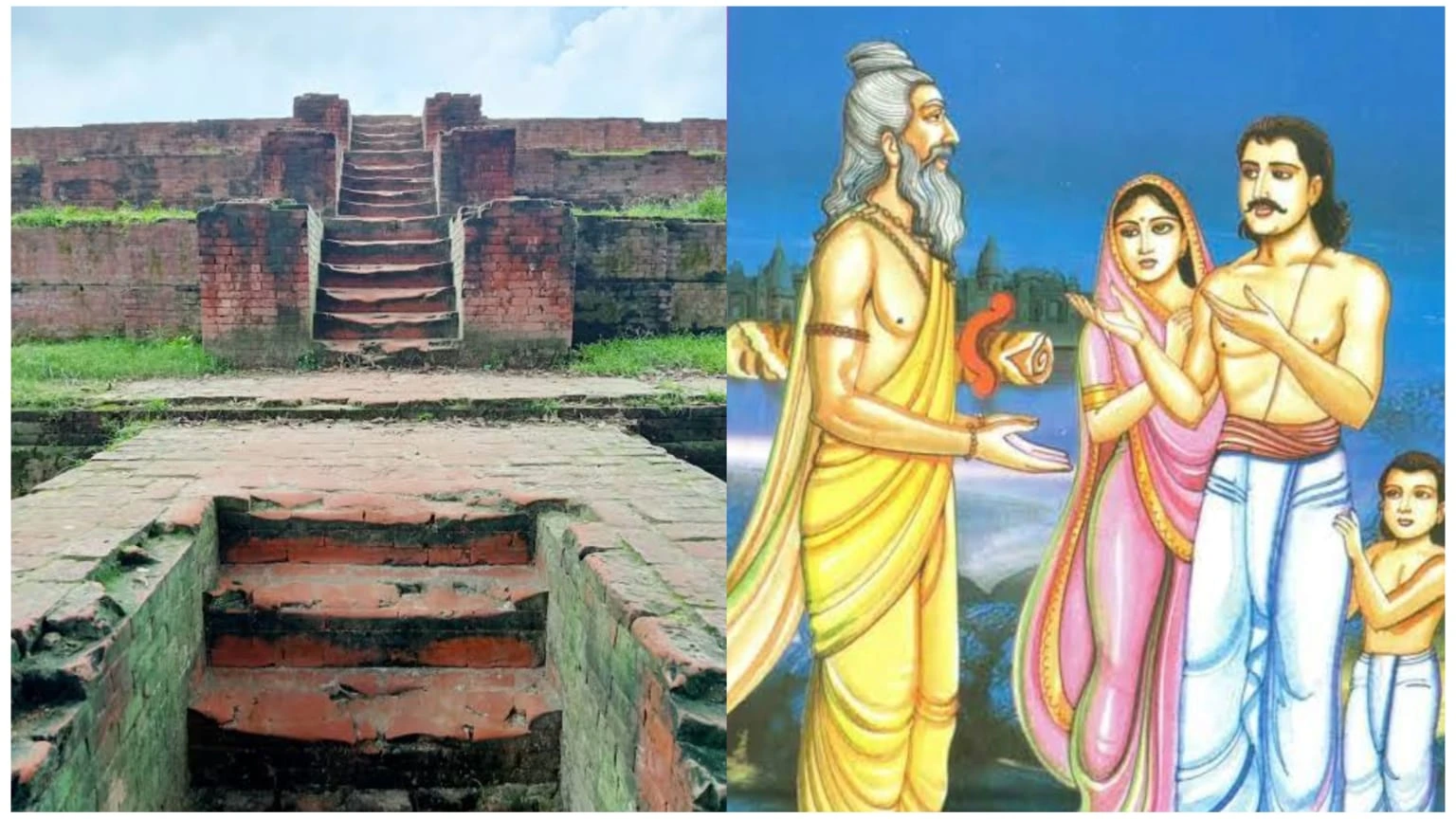
Most people visit Savar for the National Martyrs’ Memorial and leave. Few know that a short rickshaw ride away lies one of the oldest archaeological sites around Dhaka: the mound known as Raja Harishchandra’s palace. If you like quiet places with deep history, this is a worthwhile detour.
Who Was Raja Harishchandra?
Local legends and archaeological finds point to a king named Harishchandra who ruled this area, said to be of the Pala dynasty. An old Bengali verse describes the city of Sarveshwar on the east bank of the Bangshi river, where King Harishchandra lived. Many historians believe the name Savar comes from the ancient names Sarveshwar or Sambhar.
His exact lineage and dates are still unclear. Some sources place his palace in the 7th to 8th century, while others place his rule in the 10th to 11th century. Banglapedia notes that Harishchandra is believed to have moved here from the Radha region and set up his capital on the Bangshi riverbank.
What Is There to See?
The site sits in Majidpur, east of Savar Bazar bus stand, within Savar Municipality. Locals call it Rajbari Dhibi, meaning the royal house mound. It is protected by the Department of Archaeology.
The mound stayed buried until the end of the 19th century. Archaeologist Nalinikanta Bhattasali later dug in the area and found items linked to Buddhist culture. More excavations in 1990 and 1991 uncovered the remains of a Buddhist monastery to the south. Finds such as Harikela silver coins, gold coins and bronze Buddha images are kept in the Bangladesh National Museum.
Do not expect a grand palace. What remains is a brick mound with trench remains, and one recent visitor wrote that the site felt under-preserved and lacked information for visitors. Go for the atmosphere and the history, not for towering ruins.
Local Stories
Folk tales add colour. Two areas, Karnapara and Rajfulbariya, are said to be named after Harishchandra’s wives, Karnabati and Fuleshwari. Stories also say he had no son and that his nephew Damodar took over after him.
How to Get There From Dhaka
Savar is about 24 to 29 km northwest of Gulistan, depending on the source. Several buses run to Savar from different parts of Dhaka. From Savar Bazar bus stand, take a rickshaw east or walk to reach the mound. Leave early to avoid the heavy Dhaka-Aricha highway traffic.
A Simple Day Plan
- Morning: Start early from Dhaka and reach Savar.
- Late Morning: Visit Raja Harishchandra’s mound and walk around the site.
- Lunch: Eat at a local restaurant in Savar Bazar.
- Afternoon: Visit the National Martyrs’ Memorial, the national monument for the martyrs of the Liberation War.
- Evening: Return to Dhaka before the rush.
Tips for Visitors
- Carry water, a hat and comfortable shoes.
- Check opening hours and any entry rules before you go.
- Ask local people for directions, as signs may be limited.
- Be respectful of the site and do not climb on fragile brickwork.
Final Thoughts
Raja Harishchandra’s palace may be modest to look at, but it connects Dhaka’s outskirts to a much older Bengal of rivers, kings and Buddhist monasteries. For history lovers, it is a rewarding half-day stop that most Dhaka residents have never made.
Discover Food with Bangla Pulse
1. Wondering which traditional Bangladeshi dishes are slowly disappearing from our kitchens?
Take a delicious trip into the past with these lost recipes and forgotten traditional dishes of Bangladesh.
2. Love Ilish but want to move beyond the usual preparation?
These classic Ilish recipes bring some of Bangladesh’s favourite fish dishes to your kitchen.
3. Think you know Bangladeshi cuisine? You may be missing these hidden gems.
Discover lesser-known Bangladeshi dishes that deserve a place on every food lover’s list.
4. Looking for something warm, comforting and seasonal when the monsoon arrives?
Try these healthy monsoon comfort food recipes inspired by homestyle flavours.
5. Weekend plans but no idea what to cook? Why not make biryani?
From familiar favourites to exciting variations, here are 7 biryani recipes to try this weekend.