
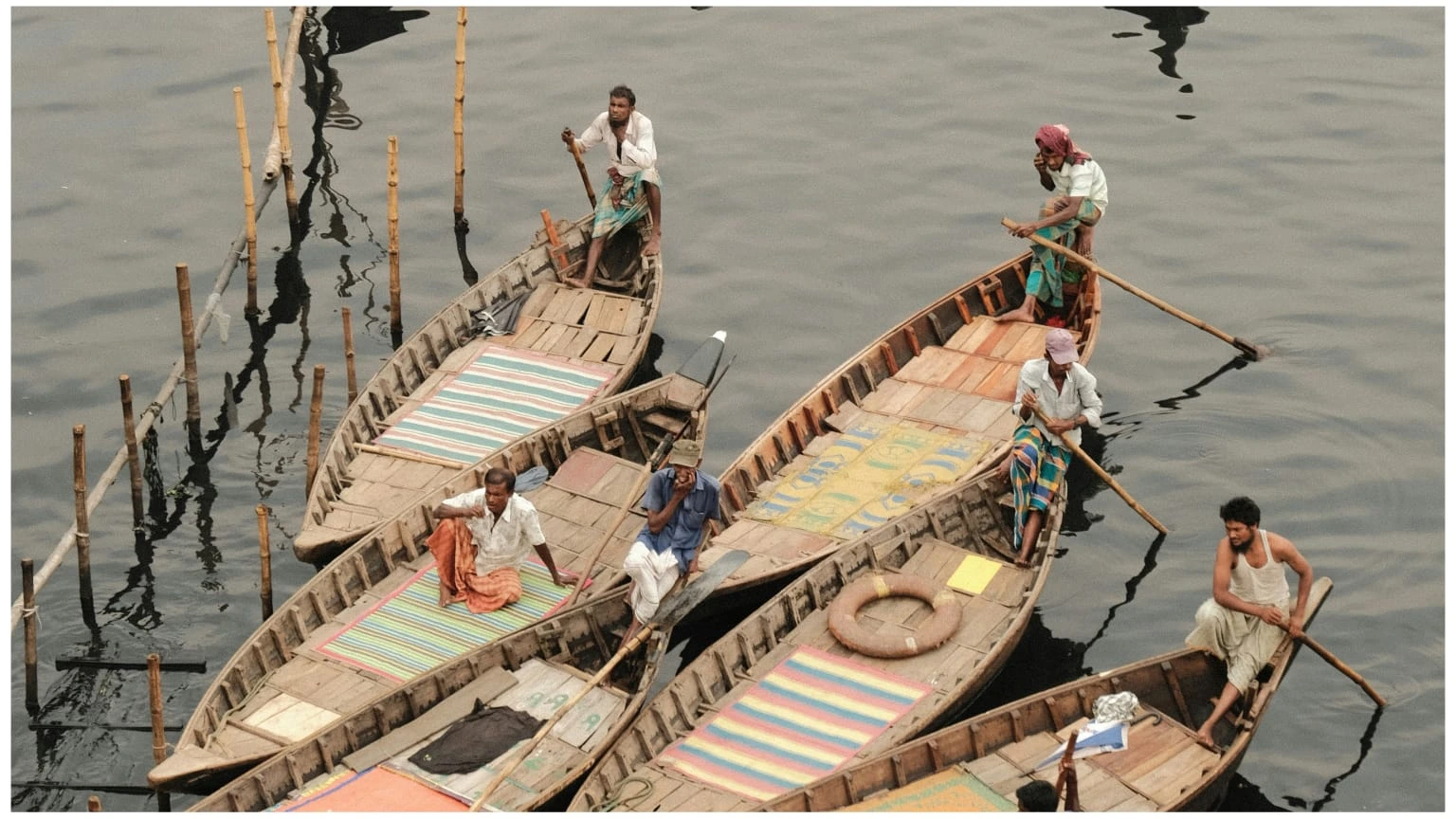
Bangladesh is called a land of rivers. The Ganges, Brahmaputra and Meghna shaped its soil, its food and its songs. Yet across the country, rivers that once carried boats and fed villages have shrunk into drains, dry beds or plots of land with houses on them. When a river disappears, what else disappears with it?
How Many Rivers Have Died?
The honest answer is that nobody agrees on the exact numbers. A 2025 study by the River and Delta Research Centre found that at least 79 rivers have died or are drying up. Khulna division is worst hit with 25, followed by Rajshahi with 19 and Rangpur with 14. In February 2024, a parliamentary statement said 308 rivers had lost their navigability.
Counting rivers is itself a problem. Government and research bodies give different totals, ranging from about 405 to 770 to more than 1,100 rivers, depending on the list and the definition. The overall trend is clear, though. The country’s river network spans about 24,000 kilometres, but only around 3,800 kilometres stay navigable in the dry season.
Why Are Rivers Dying?
Experts point to several causes that often work together:
- Encroachment: Illegal buildings, filling of riverbanks and land grabbing. The National River Conservation Commission has identified tens of thousands of river grabbers, with one recent figure at 63,200
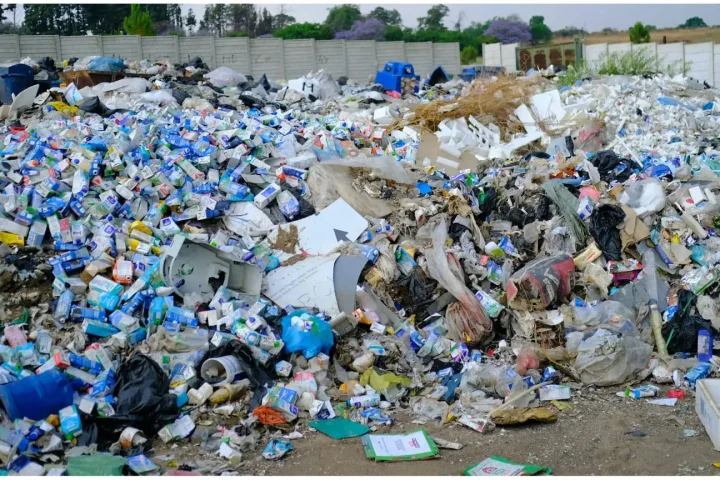
- Pollution: Factory waste and sewage choke city rivers. Dissolved oxygen in the Buriganga, Turag and Balu has fallen too low to support aquatic life
- Upstream water diversion: Bangladesh sits at the downstream end of 57 transboundary rivers. Studies link the Farakka Barrage in India to a 26 per cent fall in the Padma’s flow and a 50 per cent shrinkage of its dry-season water area
- Harmful infrastructure: Embankments, roads and other projects that block natural flow
The then Environment Adviser, Syeda Rizwana Hasan, named three main reasons: upstream dams, harmful infrastructure, and pollution and encroachment.
What Is Lost When a River Dies?
The damage goes far beyond a missing line on the map.
- Livelihoods: Fishers, boatmen and river traders lose their income
- Farming: Dried rivers threaten irrigation and agriculture
- Wildlife: Fish and other aquatic life disappear when water turns toxic or vanishes
- City drainage: Around Dhaka, choked rivers and filled canals weaken natural drainage and worsen waterlogging
- Transport: Waterways that once connected markets become unusable
Dhaka itself holds proof. Hatirjheel and several city canals were once part of the old Norai River, and the Dholai and Atir Rivers are now known as canals.
What Is Being Done?
In 2019, the High Court declared rivers living entities with legal rights and named the National River Conservation Commission as their legal guardian. Eviction drives against encroachers do take place, but reports say they are sporadic and that little has been done to restore flow after the land is cleared.
Researchers suggest reducing pollution, preventing erosion and restoring ecosystems. They also stress that Bangladesh cannot solve this alone, since cooperation with upstream countries is essential. One expert argued that real change will come only when polluting outlets are actually closed, not just mapped.
A Warning Written in Dry Riverbeds
A river is more than water. It is a food source, a road, a drain and a home for wildlife. As Bangladesh faces a growing water crisis, the fate of its rivers will shape farming, cities and climate resilience for generations.