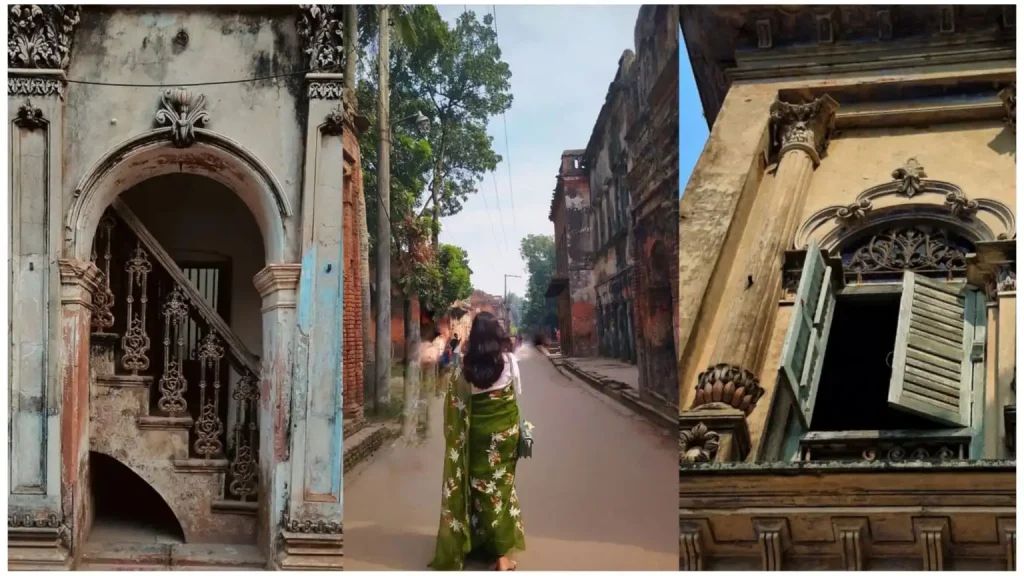

Dhaka and Kolkata streets are awash with red and white, music and the scent of fried fish every April. Pohela Boishakh is a festival celebrated by all faiths to mark the first day of the Bengali year. However, it stems from the agricultural Bengali calendar. Let’s take a look back at how this day started and how we celebrate it now.
How A Tax Calendar Became A National Celebration
During the Mughal Era, Farmers in Bengal would earn some money after harvest time however the Islamic calendar did not fit with their farming seasons. To help farmers pay their taxes, the court of Emperor Akbar developed a new solar calendar. Over time this became known as the Bengali calendar.
To celebrate the start of the new year, landlords would hold feasts and shopkeepers would clear their debt. This tradition has evolved into Haal Khata where traders will open new ledgers and give out sweets. In Bangladesh, the date has been set as 14th April thanks to a change in the calendar.
Festival Activities
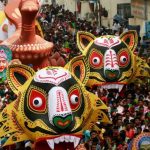
The celebrations start very early in the morning. Singers gather in Ramna Park under the banyan tree in Dhaka. They sing to celebrate the new year, often songs written by Rabindranath Tagore. Later on, the Mangal Shobhajatra parade takes place. Giant masks and paper animals can be seen as they parade through the city. This started in 1989 to spread a peaceful message to the public. In 2016, it was added to UNESCO’s list of Intangible Cultural Heritage.
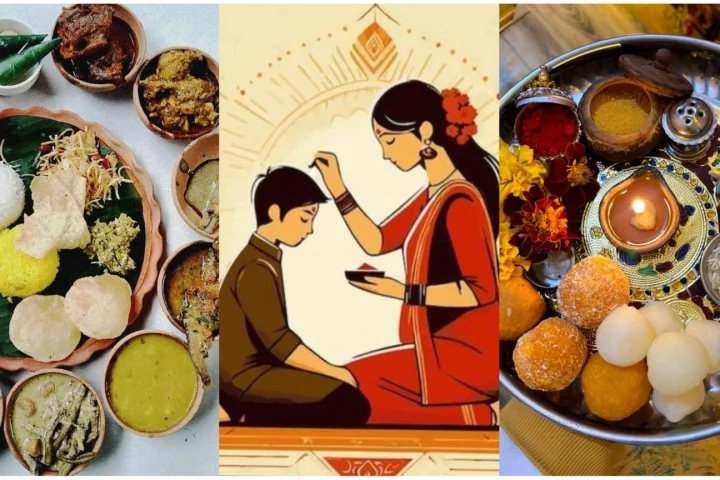
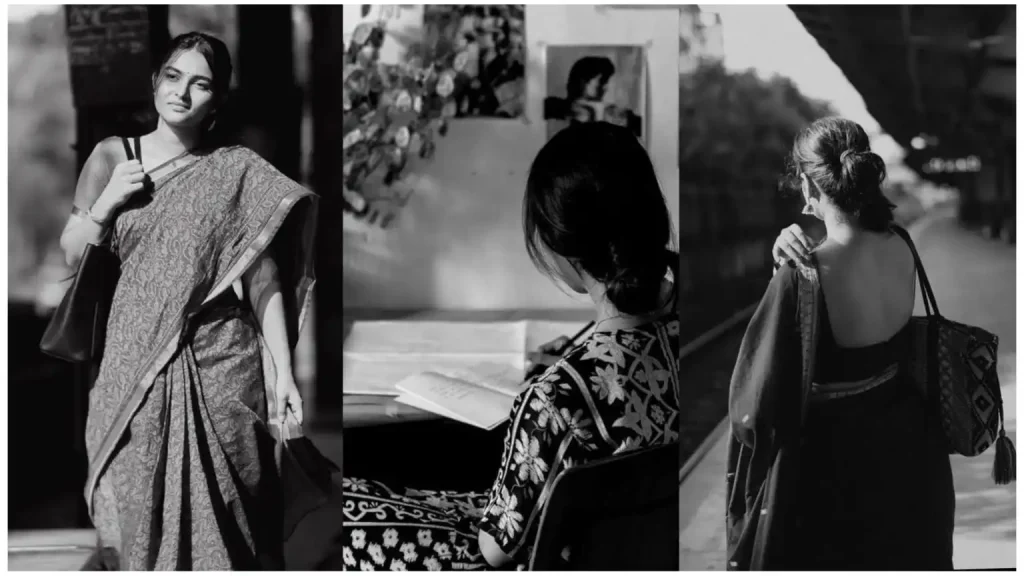
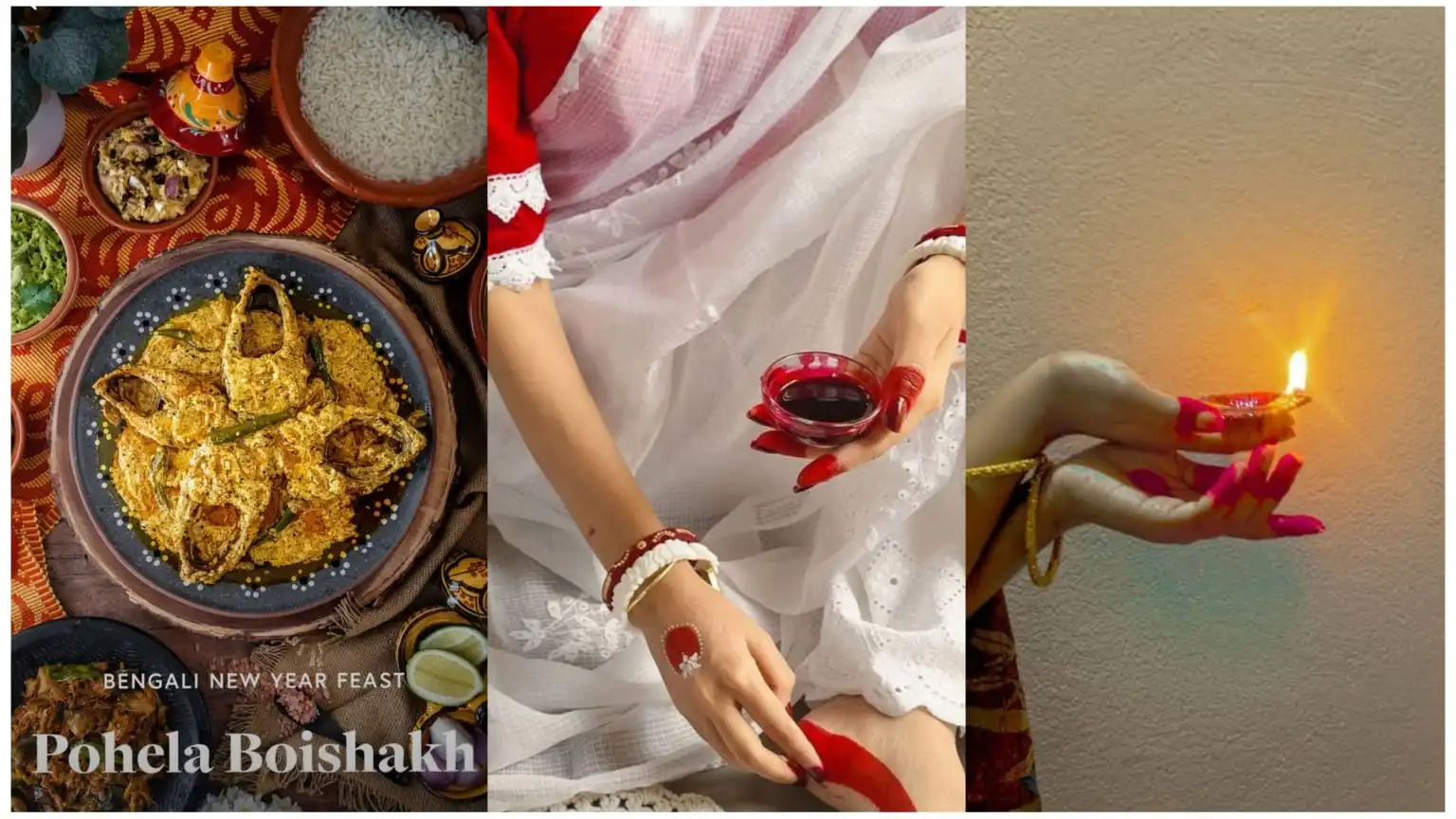
A big part of the day is food. Many families will eat panta bhat which is rice that has been soaked with fried hilsa, green chillies and onion. Women often wear white sarees with red borders while men wear bright panjabis.
Villages have fairs where you can buy handmade toys, clay pots and watch folk shows. There is lots of sweet food on offer. Many people now send greetings using their mobile devices and social media to include family members living abroad.
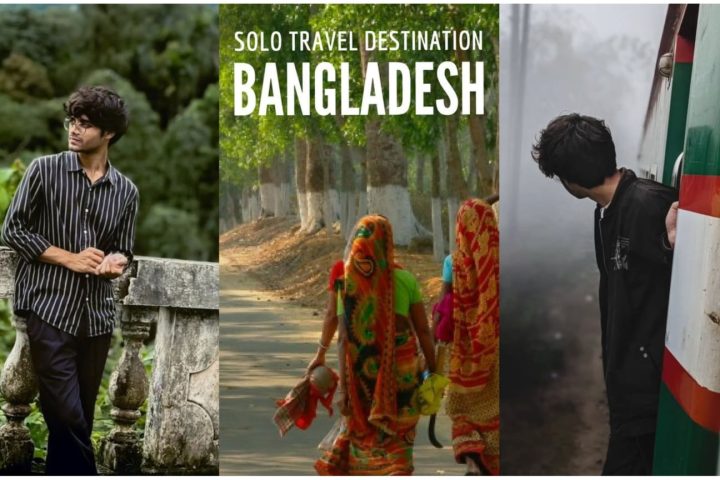
The best advice for travellers is to get there early, wear light cotton clothing and expect busy crowds around the main events.