
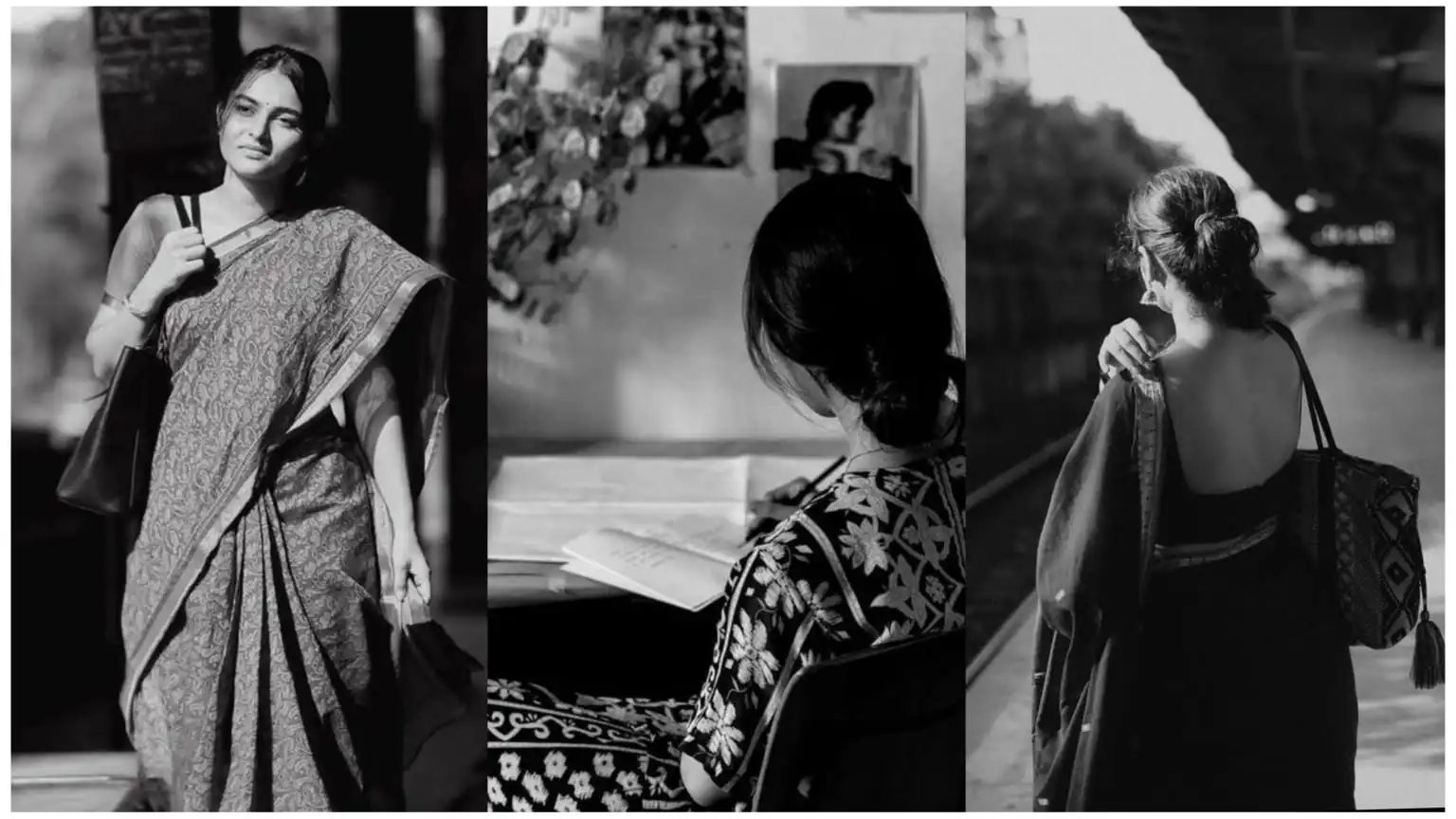
More Bangladeshi women want money of their own: an account in their name, a wage they control, a savings pot that does not depend on anyone else. That part of the story is real. But the headline hides a twist. The evidence does not show women giving up traditional investments. Most are seeking independence through the same tools their mothers used, such as gold, savings schemes and fixed deposits, while also moving into digital accounts and small businesses.
What Financial Independence Means Here
For many women, independence starts with something simple: an account that is truly theirs. Garment workers are a good example. When factories began paying wages digitally, women’s pay went into their own accounts instead of cash that others could control. Digital accounts in a woman’s own name add a layer of autonomy, according to the Gates Foundation. A World Bank programme helped more than 70,000 female garment workers open mobile financial accounts between 2016 and 2018.
Traditional Tools Still Matter
Women are not turning their backs on traditional savings. A study of long-term microfinance members in Tangail found that women invest mostly in livestock, electric autorickshaws, gold and land. Some run ten-year Deposit Pension Scheme accounts for their daughters’ jewellery, and one member keeps one account in her own name and another in her daughter’s.
In the stock market, women hold a smaller share. A Financial Express report found that women own about Tk 250.62 billion of market capitalisation compared with Tk 1.58 trillion for men. Yet many tend to prioritise cash savings in government savings certificates or fixed deposit receipts. Government-backed options such as Paribarik Sanchayapatra, a women-focused savings certificate, remain popular for their stability.
The Gap Is Still Wide
Independence is the goal, but the numbers show how far there is to go.
- In the Global Findex 2025 survey, 33.4% of Bangladeshi women had an account, compared with 53.5% of men
- About 68% of women own a mobile phone, against 85% of men
- Women’s share of mobile financial services accounts fell from 48% in 2019 to 42% in 2023, even as total accounts more than doubled
- Nearly two-thirds of women with mobile money accounts say they need help using them
Why Many Women Hold Back
An opinion piece in The Daily Star argues that women’s income is often treated as secondary, so women earn and save carefully but are rarely encouraged to diversify or build assets. Investment education often stops at buying gold jewellery. Career breaks, unpaid care work and longer lifespans make a personal financial cushion even more important.
What Is Helping
- Digital wage payments and government transfers into women’s own wallets
- Women-focused banking products and financial literacy programmes from banks
- Preferential small business loans for women entrepreneurs
- Training that teaches women to use accounts, not just open them
One think tank estimates that closing the gender gap could add about 14% to national output, although that figure is an estimate and should be read with caution.
A Simple Starting Point
This is general information, not financial advice. Many experts suggest an emergency fund in cash, a stable instrument such as a savings certificate or fixed deposit for steady income, a small share in a low-risk mutual fund to beat inflation, and regular pension contributions.
Independence Is Built Step by Step
The real story is not independence versus traditional investment. Women are building independence by combining both: their own account, their own savings habit and, increasingly, their own business. The challenge for banks, employers and policymakers is to make every step easier.