
The season begins when trees are tapped. A gachhi shaves the bark near the top of the palm and fixes a clay pot to catch the sap as it drips through the night. At dawn, he climbs again, often held by a rope or chain, to bring the pot down. The sap has to be collected before sunrise and boiled the same day, or it spoils.
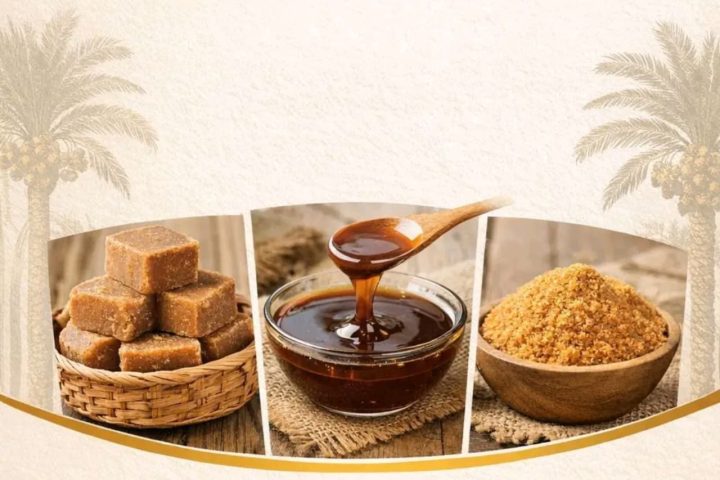
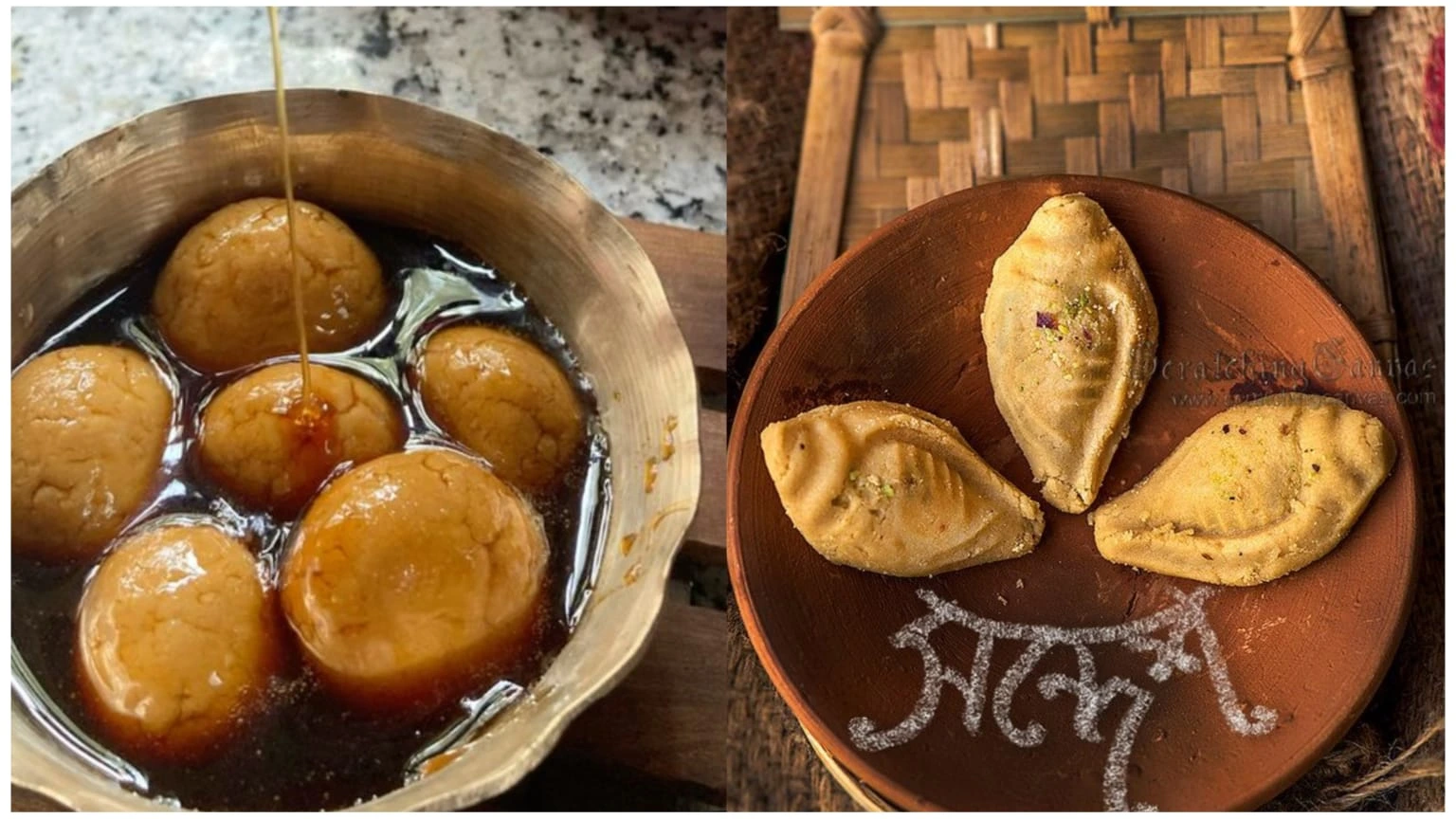
After about an hour of boiling, the sap turns a reddish-brown and becomes liquid nolen gur, which stays fresh for months. Cooked longer, it thickens into patali gur, which is poured into clay moulds and set into firm, half-dome shapes used in sweets like sandesh, rosogolla, and payesh. It takes roughly seven litres of sap to make one litre of jaggery, so every bit of that sweetness is hard-won.
The colder it gets, the more sap the trees give, which is why collectors welcome the deep winter chill. A tree also needs rest, with a gap of five or six days between fresh cuttings so the cuts can heal. And a tree needs at least six years to mature before it can be tapped.
The Trees Are Disappearing
The first and biggest problem is the loss of date palms. A gachhi from Jhenaidah told a news agency that many trees are being cut down to fuel brick kilns. In Lalmonirhat, collectors say the number of trees and gachhis is shrinking every year. Some villages now have to bring in workers from other districts because there are too few local collectors left.
In West Bengal, the story is similar. Reports from the famous Jaynagar area, long known for the best nolen gur, say that cyclone damage and warmer winters have cut down production in recent years. Since the sap flows only in cold months, even a slightly warmer season can mean fewer pots filled.
Hard Work, Small Returns
The work itself is not easy. Gachhis climb tall trunks in freezing weather, tapping tree after tree through the day. In Jessore’s Khajura, one collector explained that juice from 12 trees did not even fill four pots. Some farmers there also said they struggle to get a fair price for their juice and patali gur, and many do not want their children to follow the same path.
Selling is another headache. A social worker in Jhenaidah has argued that a syndicate of traders keeps farmers from getting fair prices, and that no government or private initiative has helped improve gachhis’ lives. Meanwhile, some sellers mix sugar into gur. Honest producers consider it a crime, but it makes pure gur harder to sell at a reasonable price.
In West Bengal’s Purulia and Bankura, workers move to temporary huts in remote areas for about three months each winter, living in basic shelters while they collect sap. Many families there do not own farmland, so the season’s income matters a great deal.
Young People Are Looking Elsewhere
A collector in Lalmonirhat said the younger generation doesn’t want to learn the skill. They are more interested in city life, education, and other jobs. Another gachhi said that with training and incentives, new collectors could be created and the rural economy could grow stronger.
It is easy to understand the hesitation. If the work pays little, carries physical risk, and offers no security, few parents will want it for their children. One West Bengal gachia reflected that people are driven by technology today and stay far from nature.
What Could Help
There are ideas for support. Collectors and experts point to training programs, incentives for planting more date palms, and better access to fair markets. Checking adulterated gur would protect honest producers. In West Bengal, some groups train villagers to make products like candies and syrups from palm sap, adding extra value. Cultural events that celebrate the shiulis’ traditions can also help keep them in people’s minds and stories.
Demand certainly has not vanished. Winter festivals such as Poush Sankranti still send families looking for nolen gur, and some patali gur is sent to buyers abroad. The market is there, but it is not always reaching the people who do the hardest work.
Final Thoughts
Nolen gur is a taste of Bengal’s winter, but it depends on trees that take years to grow and on people who rarely get credit. If palms keep disappearing and collectors keep leaving, this sweetness could fade from tables and become just a memory. Planting trees, paying fair prices, and respecting the skill of the gachhi may be the best way to keep the season’s flavour alive.
Discover Food with Bangla Pulse
1. Wondering which traditional Bangladeshi dishes are slowly disappearing from our kitchens?
Take a delicious trip into the past with these lost recipes and forgotten traditional dishes of Bangladesh.
2. Love Ilish but want to move beyond the usual preparation?
These classic Ilish recipes bring some of Bangladesh’s favourite fish dishes to your kitchen.
3. Think you know Bangladeshi cuisine? You may be missing these hidden gems.
Discover lesser-known Bangladeshi dishes that deserve a place on every food lover’s list.
4. Looking for something warm, comforting and seasonal when the monsoon arrives?
Try these healthy monsoon comfort food recipes inspired by homestyle flavours.
5. Weekend plans but no idea what to cook? Why not make biryani?
From familiar favourites to exciting variations, here are 7 biryani recipes to try this weekend.