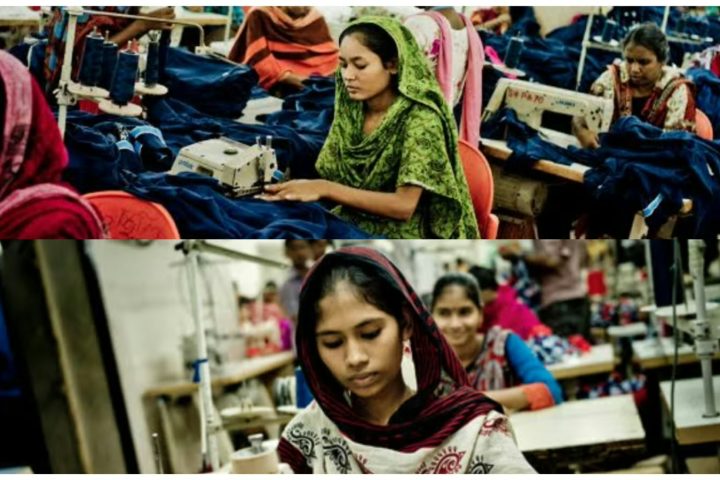
Garment workers have blocked roads in Dhaka’s Uttara for several days to press for a monthly minimum wage of Tk 30,000. The demand has put the sector’s pay structure back in the spotlight.
Where Wages Stand Now
The current minimum wage is Tk 12,500, set in November 2023 and effective December 2023. The annual increment was later raised from 5 per cent to 9 per cent to reflect inflation. Past minimum wages were Tk 1,662.50 in 2006, Tk 3,000 in 2010, Tk 5,300 in 2013 and Tk 8,000 in 2018.
What Workers Are Saying
Protesters say rising prices of essentials have made it hard to make ends meet. At an August roundtable, worker leaders called a fair wage a right, not kindness. They demanded Tk 30,000 and an independent wage board free from the influence of political parties and owners. Some protesters also want unpaid salaries and other benefits paid.
The Protests
Workers have been on the streets since Monday. They blocked roads near Azampur and the Dhaka-Mymensingh highway before moving towards Airport Road.
The Wage Board Question
Under the Labour Act, a wage board is supposed to be formed every five years. Three years since the last increase will have passed by December. Labour leader Towhidur Rahman said December is near, yet no board has been formed. On 15 October, the Department of Labour moved to ask owners and workers for nominations. The six-member board has four permanent and two temporary members.
A Pay Scale Comparison
Workers also point to the government’s new pay scale for its own employees, announced last month. It would take total monthly pay above Tk 33,000 once fully implemented.
The Industry’s Squeeze
The industry says it faces mounting cost pressure. The dispute has also revived the debate over whether international buyers pay a fair price for garments made in Bangladesh. The sector has around 4,000 registered factories and employs more than four million workers.
What Comes Next
The final number will emerge from the wage board, and previous rounds show a gap between demands and outcomes. In 2023, unions asked for Tk 23,000 to Tk 25,000, and the board settled on Tk 12,500.
Discover More Stories Like This
1. Why has the Bangladeshi taka reached a five-year high against the US dollar?
The taka’s exchange rate can be influenced by foreign currency supply, demand, remittance inflows, and central bank policies. Read more about the taka reaching a five-year high against the US dollar.
2. How does a stronger taka affect Bangladesh’s economy?
A stronger taka may reduce the local-currency cost of imports and foreign-currency debt repayments, although the actual impact depends on exchange rates and market conditions. Explore the latest report on the taka’s performance against the US dollar.
3. Can businesses in Bangladesh borrow money from foreign lenders?
Eligible businesses may obtain foreign loans subject to applicable regulations, approval requirements, and reporting obligations. Learn more about foreign loan rules for businesses in Bangladesh.
4. What rules must Bangladeshi businesses follow when taking foreign loans?
Businesses must check the applicable borrowing guidelines, approval procedures, repayment conditions, and reporting requirements before accepting overseas financing. Read this guide to foreign borrowing rules for Bangladeshi businesses.
5. How can exchange-rate changes affect businesses with foreign loans?
Exchange-rate movements can change the amount businesses need to repay in taka when their loans are denominated in foreign currencies. Understanding borrowing regulations and monitoring currency movements can help businesses assess these risks. Read about Bangladesh’s foreign loan rules and the taka’s recent performance against the dollar.