

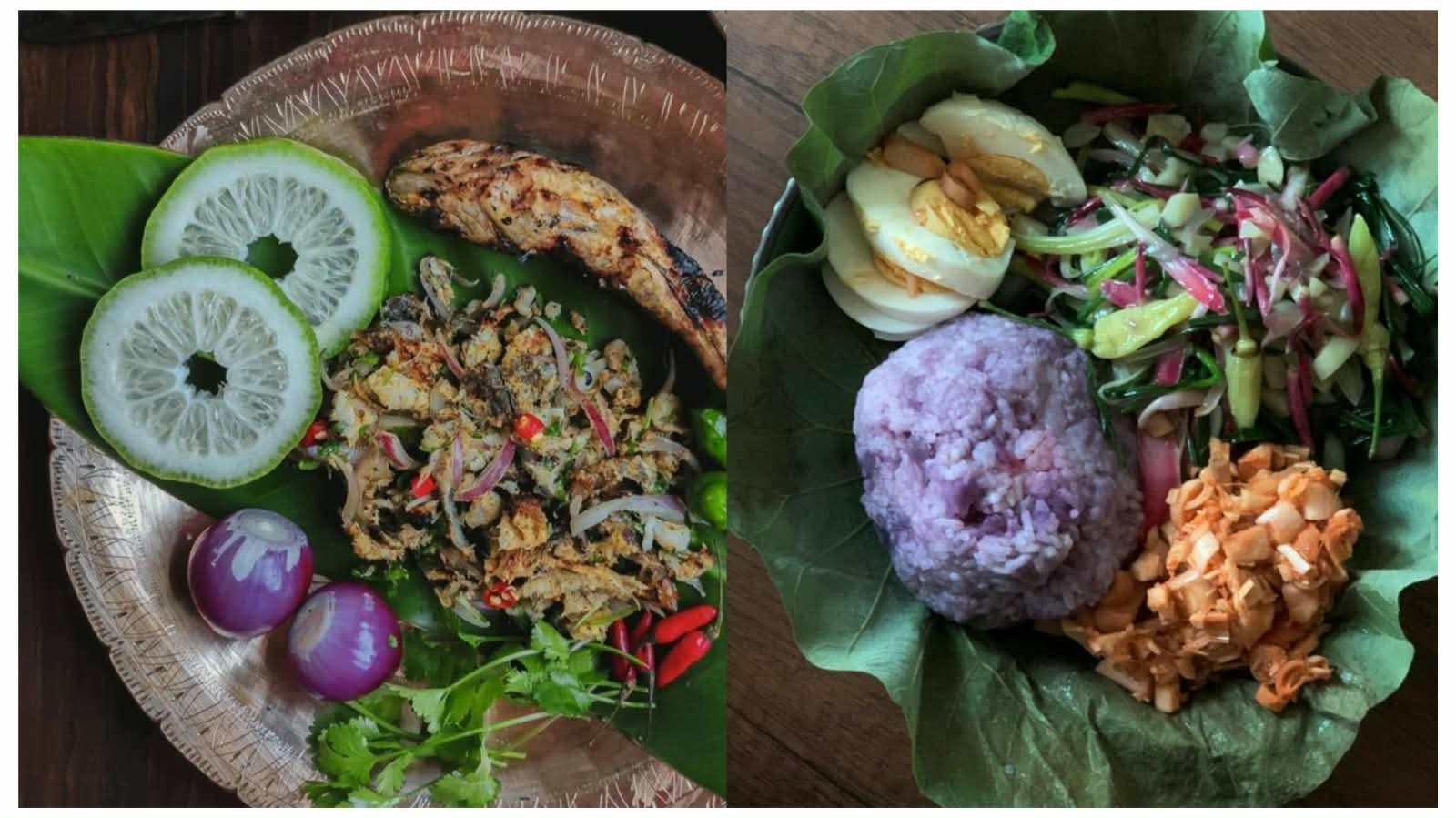
On the edge of the world’s largest mangrove forest, the Munda people have cooked from the land and water around them for generations. Their kitchens tell a story of resourcefulness, identity and change.
On the edge of the world’s largest mangrove forest, the Munda people have cooked from the land and water around them for generations. Their kitchens tell a story of resourcefulness, identity and change.
A Community Rooted in the Forest
The Munda are an ethnic community of the Sundarbans who travelled from India to Bangladesh around 300 years ago. Banglapedia counts 1,163 Mundas in scattered villages of Koyra, Dumuria, Shyamnagar, Debhata and Tala upazilas. Traditionally, they earned a living by harvesting honey, catching fish and crabs in the forest’s rivers and channels, and cutting timber.
What Is on the Plate
Their foods come from the forest and water. Banglapedia lists crabs and snails among their special dishes. Foraged foods once included wild carrot vines, bon-chalta, mushrooms, taro greens, water lilies and tubers. Freshwater snails were the easiest source of protein, and Munda women were traditionally the “food keepers” of their families and communities.
Ingredients of the Mangrove Kitchen
Several ingredients define this cuisine because they grow, swim or are harvested only in the delta’s brackish, tidal ecosystem:
- Mud crab: Caught in tidal creeks and prized for its sweet meat.
- Freshwater snails: Gathered from ponds and paddy channels, and now increasingly scarce.
- Wild honey: Collected from forest hives, with a distinctive flavour shaped by mangrove blossoms.
- Bon-chalta (wild elephant apple): A sour fruit used to season curries and chutneys.
- Taro leaves and stems (kochu): Foraged greens, cooked with fish or shrimp.
- Water lily stems and tubers: Gathered from wetlands as vegetables.
- Keora fruit: The tart fruit of a mangrove tree, used as a souring agent.
Home-Style Recipes
These are simple preparations of the kind associated with Munda and wider Sundarbans cooking, and individual families vary them.
Snail curry (shamuk or gugli)
Clean the snails thoroughly and boil briefly to extract the meat. Fry sliced onion, garlic and green chilli in mustard oil, then add turmeric and salt. Add the snail meat and a little water, and simmer for 15 minutes. It is usually eaten with rice. The dish is humble, but it is also the one most threatened by rising salinity.
Mud crab curry
Cut the crab into pieces. Marinate with turmeric, chilli and salt, then fry in mustard oil with onion, ginger and garlic. Add water and cook covered until the shell turns red and the gravy thickens, about 20 minutes. Finish with coriander.
Taro greens with shrimp
Cook finely chopped taro leaves and stems with dried or fresh shrimp, green chilli and turmeric until soft and dry. Cooking time matters here, because taro must be well cooked to avoid an itchy throat.
Bon-chalta chutney
Boil sliced bon-chalta until soft. Mash with a little jaggery or sugar, roasted cumin and chilli. The result is sweet, sour and sharp, and is served at the end of a meal.
Honey-glazed fish
Rub river fish with turmeric and salt and pan-fry lightly. In the last minute, brush with a spoonful of wild honey for a gentle caramelised finish. This is a modern serving idea rather than a documented ritual dish.
Food With Spiritual Meaning
Food is also tied to belief. Munda religion centres on Sing-Bonga, the sun, and festivals are mostly linked to seasons and crops. One preprint notes that a hen is offered in rituals for their god and that rice wine is served at festivals, though that study has not been peer-reviewed.
Salt Changes the Menu
Salinity is now rewriting these kitchens. A report from Datinakhali in Shyamnagar says that freshwater snails and other traditional foods are vanishing under climate change, rising salinity and the loss of forest foods. Krishna Munda of the Sundarbans Indigenous Munda Organisation says food is “our identity.”
Adapting to Survive
After Cyclone Aila, long-standing floodwater made farmland salty. Families responded with saline-tolerant rice, vegetables on floating beds, poultry and livestock rearing, and crab fattening. Some turned to eco-tourism, with projects helping the community promote its culture.
What Is at Stake
The community’s story is one of resilience, but each lost ingredient also takes away a piece of identity, knowledge and seasonal memory. Protecting these kitchens means protecting both the forest and the people who know it best.
Discover More From Us
1. Wondering which traditional Bangladeshi dishes are slowly disappearing from our kitchens?
Take a delicious trip into the past with these lost recipes and forgotten traditional dishes of Bangladesh.
2. Love Ilish but want to move beyond the usual preparation?
These classic Ilish recipes bring some of Bangladesh’s favourite fish dishes to your kitchen.
3. Think you know Bangladeshi cuisine? You may be missing these hidden gems.
Discover lesser-known Bangladeshi dishes that deserve a place on every food lover’s list.
4. Looking for something warm, comforting and seasonal when the monsoon arrives?
Try these healthy monsoon comfort food recipes inspired by homestyle flavours.
5. Weekend plans but no idea what to cook? Why not make biryani?
From familiar favourites to exciting variations, here are 7 biryani recipes to try this weekend.