
Six Bangladeshi young men finally walked back into their homeland on Thursday night. They returned through the Benapole checkpost after three years in an Indian jail.
Who Are the Returnees?
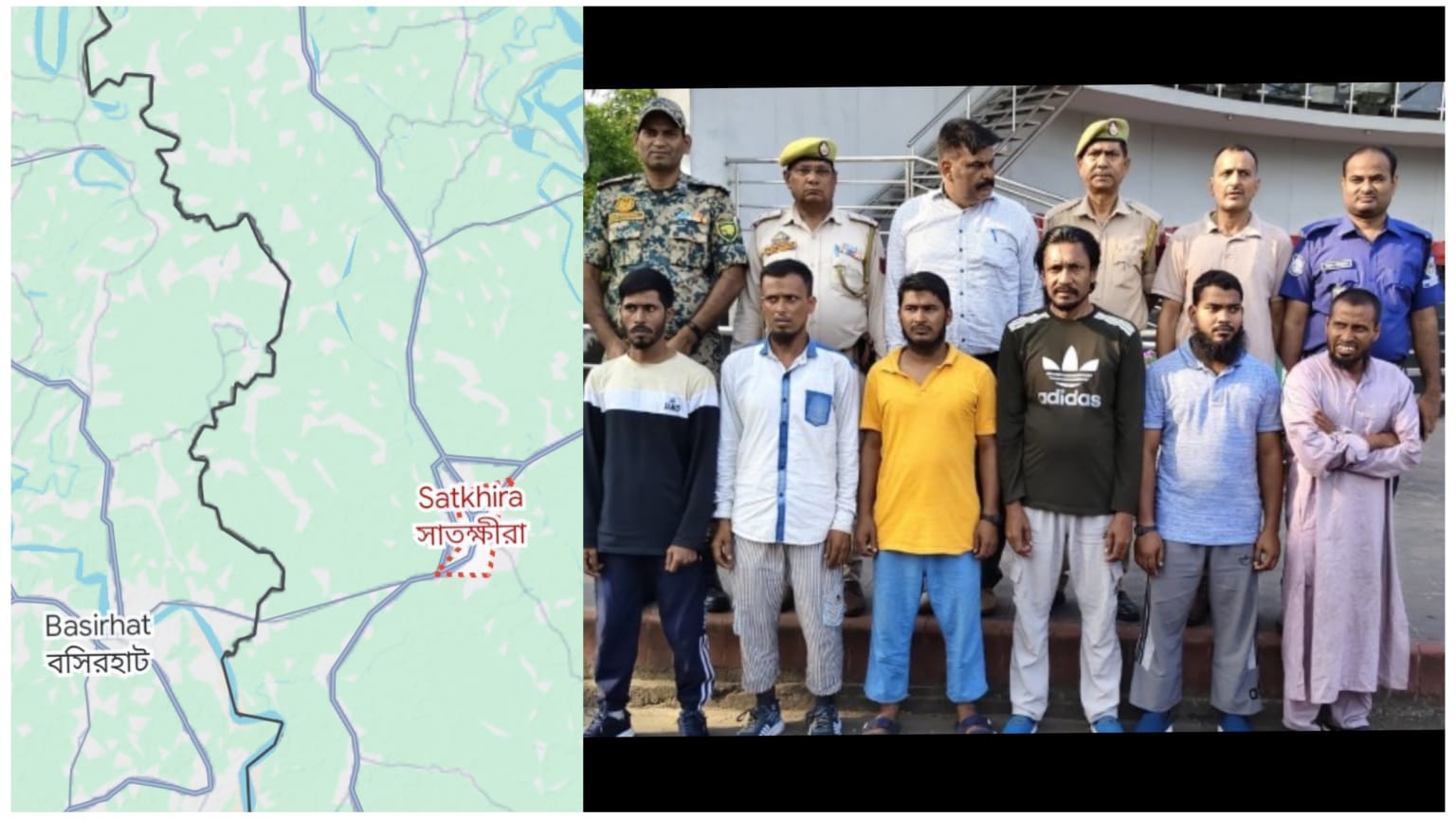
The six are Jahangir Alam (21), Abdul Karim (25), Mohammad Ali (26), Sabbir Islam (26), Hafizur (26) and Abdul Sabur (27). Indian immigration authorities at Petrapole handed them to their Bangladeshi counterparts at Benapole. They travelled under special travel permits issued by the Indian government.
How They Ended Up in India
Saifur Rahman, officer-in-charge of Benapole Immigration Police, said the six entered India illegally through border points in Satkhira about four years ago. Brokers had lured them with promises of better-paying jobs. They later went to Jammu and Kashmir, where they worked as labourers.
Arrest and Sentence
Indian police arrested the group, and an Indian court sentenced them to three years in prison for illegal entry. They served the full term.
Shelter and Repatriation
After their release, the six stayed at a shelter run under the supervision of an Indian human rights organisation. With help from the diplomatic missions of Bangladesh and India, they were sent home through Benapole.
A Familiar Pattern
Their return is the latest in a series of repatriations through Benapole. Earlier this year, 14 Bangladeshis came back after serving two to three years in Punjab Central Jail. A group of 18 followed in September, including a woman who had spent 15 years in an Indian prison. A field coordinator of the group Justice and Care said earlier returnees had fallen victim to job fraud and trafficking networks.
The six are now back on Bangladeshi soil after years away. As adults, such returnees are normally allowed to rejoin their families once formalities are complete. Officials say many cases like theirs begin with broker promises of better pay.
Discover More Political Stories with Pulse
Is Sheikh Hasina planning to return to Bangladesh in December 2026?
Sheikh Hasina’s possible return to Bangladesh has raised questions about the legal and political challenges she could face. Read more about the reported December 2026 return plans and the legal hurdles in this Bangla Pulse report on Sheikh Hasina’s return plans.
What could happen if Sheikh Hasina returns to Bangladesh?
Her return could raise legal questions involving ongoing proceedings, court orders and the cases filed against her. The possible consequences would depend on the applicable legal procedures and decisions by the relevant authorities. Explore this report on what could happen if Sheikh Hasina returns home.
Why is Sheikh Hasina’s extradition from India back in focus?
The question of Sheikh Hasina’s extradition has drawn attention to Bangladesh-India relations, diplomatic discussions and the legal arrangements governing extradition. Read this report on the meeting and India’s position on Sheikh Hasina’s extradition for further details.
Can India extradite Sheikh Hasina under the 2013 extradition treaty with Bangladesh?
The 2013 India-Bangladesh extradition treaty provides a legal framework for extradition requests, subject to its provisions and applicable procedures. Whether Sheikh Hasina would be extradited depends on the treaty’s application, relevant legal considerations and the decisions of the authorities involved. Read more in this analysis of the extradition treaty and diplomatic pressure.
What is the latest reported development in Sheikh Hasina’s death sentence case?
The death sentence case involving Sheikh Hasina has attracted significant attention because of its legal and political implications for Bangladesh. For details on the reported verdict and subsequent developments, read the latest updates on Sheikh Hasina’s death sentence.