
Deep inside the world’s largest mangrove forest, a golden harvest begins every spring. Honey collectors set out into the tidal creeks of the Sundarbans to gather wild honey that is now prized well beyond Bengal. Its flavour, its origin, and the flowers behind it are turning this raw “liquid gold” into a product in demand across global markets.
What Makes Sundarbans Honey Different
Most honey comes from farmed hives. Sundarbans honey is wild. Giant rock bees (Apis dorsata) build large combs high in the branches of the mangrove trees, and the honey is collected straight from the forest.
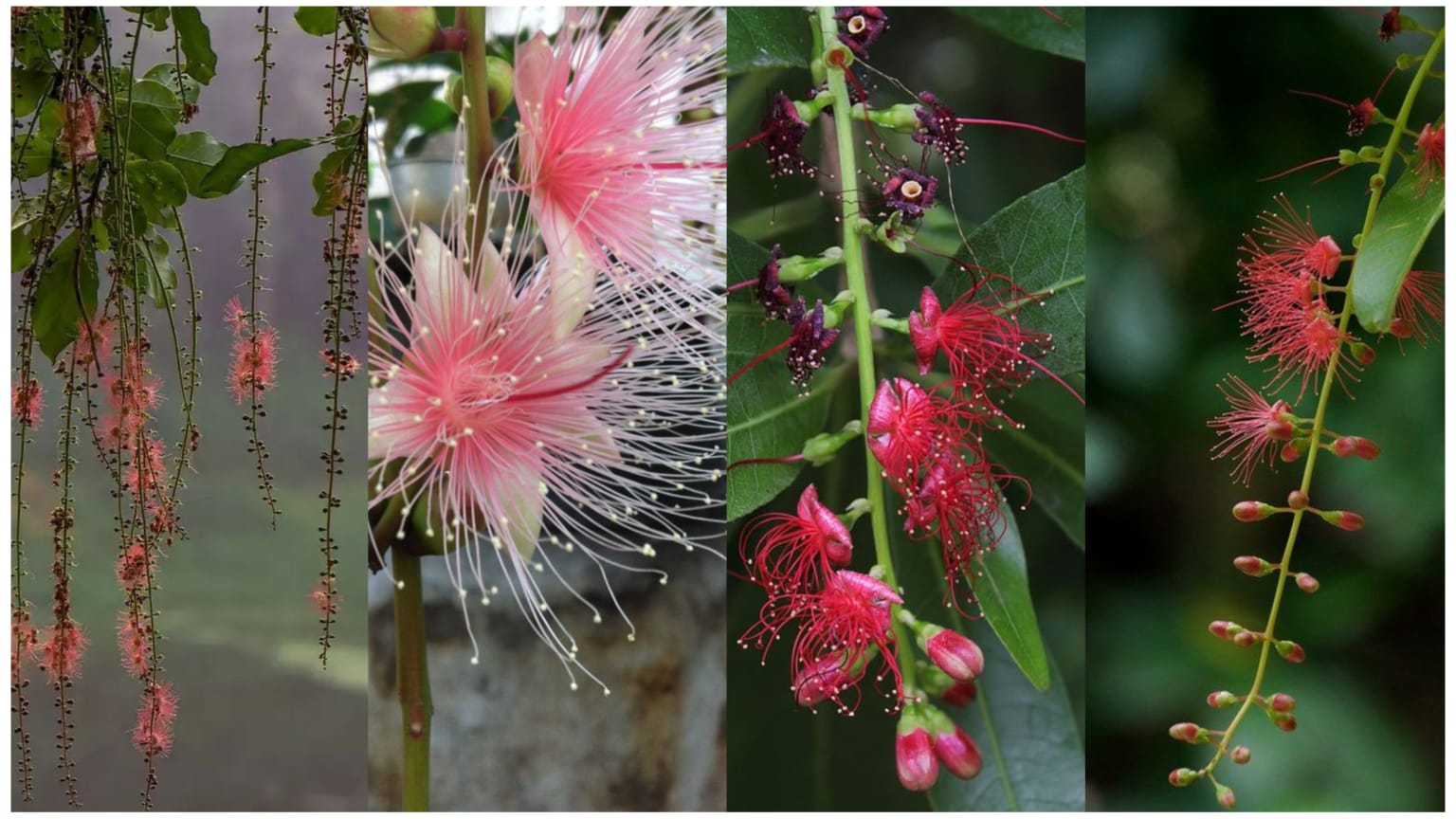
The taste comes from the flowers. The bees feed on mangrove blossoms such as khalsi (Aegiceras corniculatum), goran (Ceriops decandra), keora (Sonneratia apetala), and baen (Avicennia). Khalsi is especially known for giving the honey a light colour and a mild, slightly tangy taste. Because the forest grows in salty tidal water, this nectar cannot be matched by honey from ordinary farmland.
The Honey Hunters of the Forest
The collectors are known as mawalis. They enter the forest in small groups, usually in boats, during the flowering season in spring, around April and May. They search for combs, use smoke to calm the bees, and cut the comb carefully so the colony can survive.
The work is hard and risky. Mawalis face Bengal tigers, crocodiles, snakes, and sudden storms. Many of them are poor villagers from the fringes of the forest. Honey collection is a seasonal livelihood that supports whole families.
Why Demand Is Rising
Buyers around the world now look for raw, natural, and traceable foods. Sundarbans honey fits that need well for several reasons:
- It is wild and comes from a protected UNESCO World Heritage mangrove ecosystem.
- It is usually sold raw, with little processing.
- Its unique mangrove flavour gives it a clear identity in the market.
- Shoppers increasingly prefer honey with a known origin and story.
As a result, wild mangrove honey is often sold at a premium compared with ordinary honey.
Challenges Behind the Golden Harvest
The trade has weak points. Many collectors sell to middlemen and receive only a small share of the final price. Adulterated honey also harms trust, because fake products can be passed off as the real thing. Climate change adds more pressure, as rising salinity, cyclones, and shrinking mangrove cover can affect flowering and bee populations.
How to Protect the Trade
Experts and conservation groups point to a few practical steps:
- Fair pricing and direct links between collectors and buyers
- Clear labelling and testing to prove honey is pure and from the Sundarbans
- Safe harvesting methods that leave part of the comb for the bees
- Better training and safety support for mawalis
- Strong protection of the mangrove forest itself
Final Thoughts
Sundarbans honey shows how a healthy forest can support people and trade at the same time. Every jar depends on the mangroves, the bees, and the collectors who risk their lives to reach the combs. Protecting the forest is the best way to protect the honey.
Discover Nature With Bangla Pulse
1. Which venomous snakes are a real threat in Bangladesh, and how can people identify them?
From cobras and kraits to vipers, discover the venomous snakes found across Bangladesh and why they remain a serious concern.
2. Did you know a new island has emerged in the Sundarbans?
Explore the story behind the new island in the Sundarbans and what its appearance could mean for this fragile ecosystem.
3. Why are Bangladesh’s wild birds increasingly at risk from poaching?
Take a closer look at the illegal bird trade and poaching threatening the country’s wildlife.
4. What makes Sundarbans honey collectors enter one of the world’s most dangerous forests?
Their search for honey can bring them face-to-face with Royal Bengal Tigers. Discover why these collectors continue to risk their lives.
5. Is there more to the Sundarbans than science can explain?
From mysterious stories to local beliefs, explore the fascinating debate between science and superstition in the Sundarbans.