
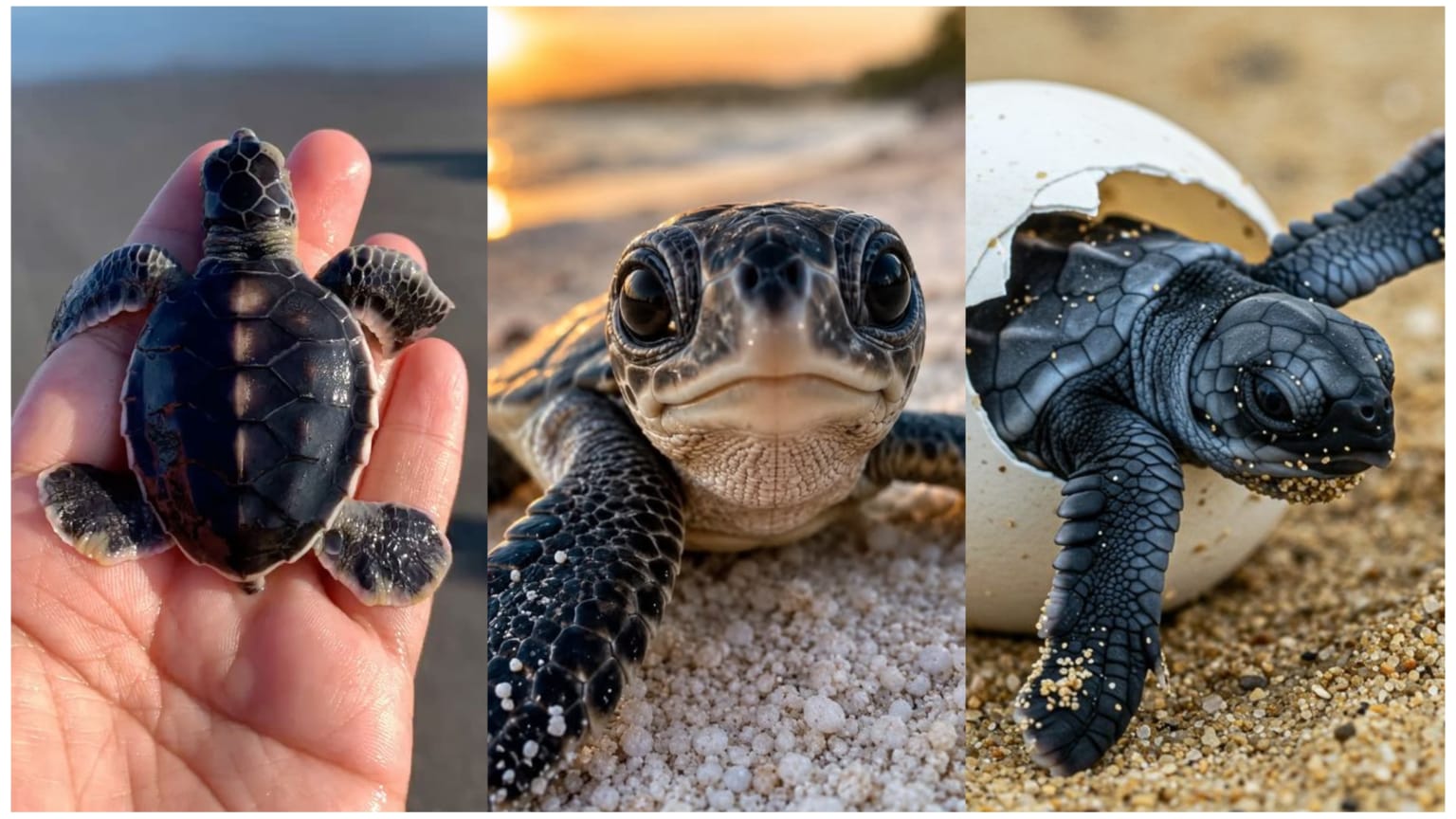
Every winter, one of the Bay of Bengal’s oldest travellers returns to Bangladesh’s quiet shores. The olive ridley turtle (Lepidochelys olivacea) comes to Sonadia Island, off Cox’s Bazar, to nest between October and April. This vulnerable marine reptile has followed the same cycle for millions of years.
A Winter Arrival on Sonadia
Sonadia is a small, low-lying barrier island northwest of Cox’s Bazar, close to the Teknaf Peninsula. Its sandy beaches, dunes, and shallow waters make it one of the most important nesting habitats in Bangladesh. The olive ridley is the island’s main turtle nester, along with the green turtle. Nests are spread across beaches from Belekerdia in the northwest to Moghchar in the southeast.
Why Olive Ridleys Migrate
Olive ridleys travel long distances between feeding areas and breeding grounds. Satellite tracking shows turtles leaving nesting beaches for deep ocean waters, so migration is a core part of their life. Turtles tagged at Sonadia have moved north along the Bangladesh coast toward the Sundarbans, then into shallow waters near India’s Bhitarkanika National Park. Other turtles in the Bay of Bengal have been tracked to Odisha, Andhra Pradesh, Sri Lanka, and even India’s west coast.
The Nesting Ritual
A female comes ashore after dark and digs a nest above the tide line with her flippers. She lays her eggs, covers them, and returns to the sea. Weeks later, the hatchlings emerge and rush toward the surf, guided by natural light and the slope of the beach. Conservation programmes around Sonadia and Saint Martin’s Island have released thousands of hatchlings into the bay to improve their chances.
Why Sonadia Matters
Sonadia was declared an ecologically critical area in 1999. Besides turtles, it supports migratory waterbirds such as the critically endangered spoon-billed sandpiper, along with the Indo-Pacific finless porpoise and the Irrawaddy dolphin.
Threats to the Turtles
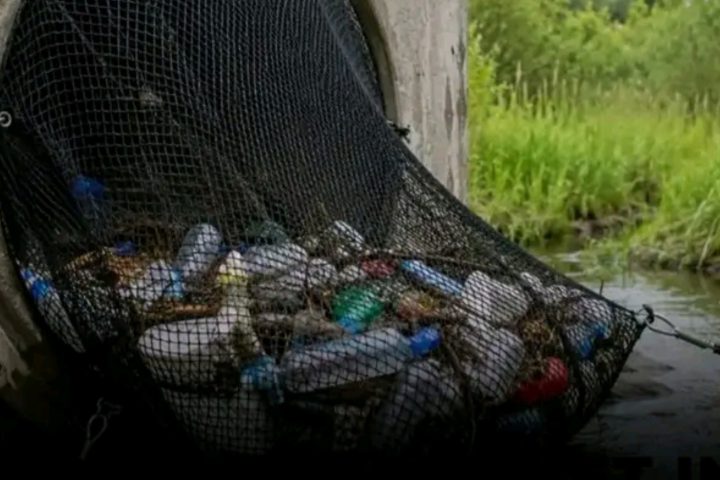
Fishing nets are a major danger, especially in December and January, the peak nesting period. Stray dogs can kill nesting females on the beach. Bright lights, plastic waste, coastal development, and climate change add more pressure. Because olive ridleys are globally vulnerable, every lost female hurts the population.
How to Protect Them
- Use seasonal gear limits, turtle excluder devices, and quick rescue plans to cut net entanglement.
- Protect nests with fenced hatcheries, controlled lighting, and night patrols.
- Keep beaches clear of plastic and vehicles after dark.
- Back community monitoring so fishers and conservation groups can act fast.
The olive ridley’s yearly return is more than a wildlife sight. It shows that Bangladesh’s coast is a vital link in one of the ocean’s oldest migration stories. Protecting Sonadia means protecting a journey far older than any of us.
Discover Nature With Bangla Pulse
1. Which venomous snakes are a real threat in Bangladesh, and how can people identify them?
From cobras and kraits to vipers, discover the venomous snakes found across Bangladesh and why they remain a serious concern.
2. Did you know a new island has emerged in the Sundarbans?
Explore the story behind the new island in the Sundarbans and what its appearance could mean for this fragile ecosystem.
3. Why are Bangladesh’s wild birds increasingly at risk from poaching?
Take a closer look at the illegal bird trade and poaching threatening the country’s wildlife.
4. What makes Sundarbans honey collectors enter one of the world’s most dangerous forests?
Their search for honey can bring them face-to-face with Royal Bengal Tigers. Discover why these collectors continue to risk their lives.
5. Is there more to the Sundarbans than science can explain?
From mysterious stories to local beliefs, explore the fascinating debate between science and superstition in the Sundarbans.