

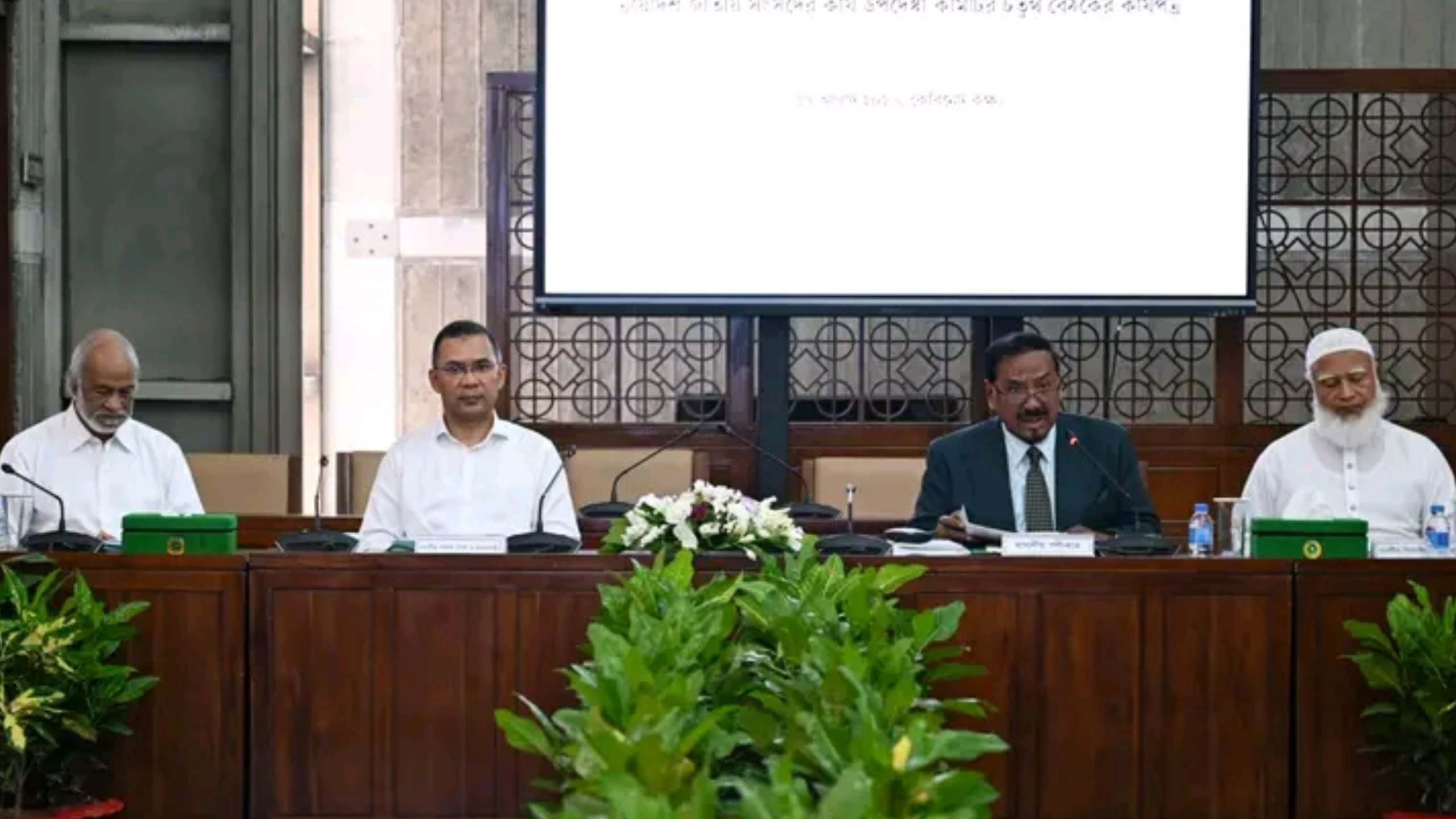
Jatiya Sangsad Chief Whip Md. Nurul Islam Moni said the formation of parliamentary standing committees will get top priority once the session opens, alongside roughly six important bills expected to come before the House. He said the session could run for as few as five to ten working days, though its length could be extended if needed. Among the bills flagged as priorities are legislation on property transfer rights for ageing parents, protections against enforced disappearance, and human rights safeguards.
This is the third sitting of the current parliament, formed after the February 12 general election that brought the BNP to power with a two-thirds majority. The first session ran from March 12, and the second, budget-focused session closed on July 15 after passing a Tk9,38,000 crore national budget for the 2026-27 fiscal year along with 11 other bills.
The Constitutional Reform Standoff
The session’s biggest flashpoint is likely to remain the same one that has defined the parliament since its opening day: how, and by whom, the constitution should be amended. Moni outlined a proposal for a 17-member constitutional amendment committee, made up of seven BNP members, five from Jamaat-e-Islami, and one representative each from smaller parties. He defended the process as routine democratic practice, pointing out that India’s constitution has been amended 106 times over 76 years.
Jamaat-e-Islami and its opposition allies see it differently. Since the parliament’s first sitting, opposition lawmakers have argued that voters mandated reform through the July Charter and a subsequent referendum, not an ordinary parliamentary amendment process. Opposition leader Shafiqur Rahman has said the public’s demand was for a Constitution Reform Council to carry out that reform, not a committee formed unilaterally by the treasury bench. When the government pressed ahead and formed a special committee without opposition members in July, Jamaat and the NCP declined to join, calling the move a setback to the reform process promised after the 2024 uprising that ended Sheikh Hasina’s government.
That disagreement has already produced an unusual split at the level of individual lawmakers: BNP members took only the standard parliamentary oath, while opposition MPs also swore a separate oath as members of the proposed Constitution Reform Council, reflecting two competing views of what this parliament is actually meant to do.
What the Opposition Plans to Raise
Beyond constitutional questions, opposition lawmakers have signalled they intend to be vocal on a cluster of economic and governance grievances during the session, including fuel, gas, and power shortages, ongoing load-shedding, law and order conditions, and allegations of partisan appointments within the public administration. The Chief Whip also took aim at a specific flashpoint from the previous government’s tenure, describing the Adani power purchase agreement as a “grave crime” that forced Bangladesh to buy electricity at inflated rates, and called for collective efforts to ease the resulting economic strain.
Discover More Stories Worth Your Time
Explore How To Buy Match Tickets?
Discover the easiest steps to secure cricket match tickets in Bangladesh.
Check Where Monsoon Travel Works?
Explore the best places to visit and areas to avoid during Bangladesh’s rainy season.
See Why India Visit Uncertain?
Discover how the Hasina extradition and Hadi murder case could affect Tarique Rahman’s India trip.
Find What Story Comes Next?
Explore what Tanim Noor may bring after Utsab and Bonolota Express.
Learn Why Saudi Invitation Matters?
Discover what the Saudi Crown Prince’s invitation could mean for Tarique Rahman’s upcoming visit.
Why This Session Matters
For a parliament less than six months old, the third session is shaping up as an early test of whether the BNP-led government and its opposition can find common ground on the reform agenda that helped bring the current political order to power in the first place. With standing committees still unformed and the constitutional amendment committee still missing its opposition members, the coming days will show whether disagreements that have so far played out through walkouts and duelling oaths can move toward an actual legislative outcome, or whether the standoff will simply carry over into the next session.
Summary: The 13th Jatiya Sangsad began its third session on August 27, 2026, following a 43-day recess. With parliamentary standing committees and around six major bills on the agenda, the session is expected to be overshadowed by an unresolved standoff over constitutional reform between the ruling BNP and opposition parties led by Jamaat-e-Islami.