
Cyclone Murasu is the second cyclone of the 2026 season, coming less than a week after Cyclone Arnab hit the same region. Coastal families have barely had time to recover.
A Storm Built in Just Days
Murasu began as a low-pressure area over the Andaman Sea on 29 October and became a cyclonic storm on 1 November.
Landfall Expected Tonight
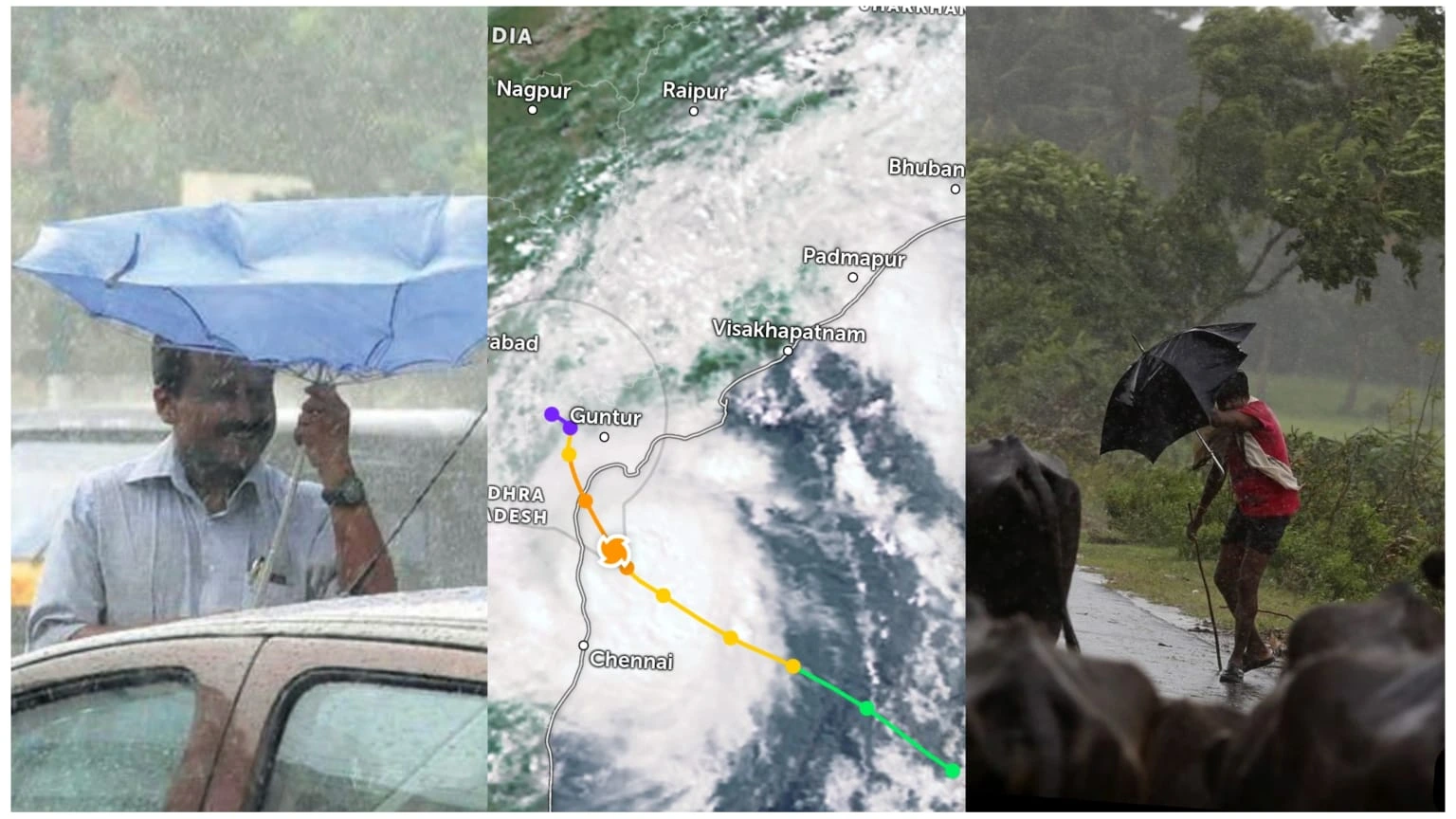
The India Meteorological Department expects it to cross the south Andhra Pradesh coast between Nellore and Narsapur, close to Ongole, between 11:30 pm on 2 November and 4 am on 3 November. Winds may reach 100 to 110 km/h, gusting to 120 km/h.
Red Alert on the Coast
A red message is in force for Andhra Pradesh and the adjoining north Tamil Nadu coasts, with storm surge of 1 to 1.5 metres above the normal tide. Heavy rain is already falling in Vijayawada and Tirupati.
Why Fishermen Stay Ashore
With rough seas and strong winds, authorities urge fishing communities to stay in port. A lost fishing day also means lost income.
Another storm in the Bay of Bengal would raise the risk further. Coastal residents should follow IMD updates closely.
Discover the Latest Weather Forecast with Bangla Pulse
1. What is the latest Bay of Bengal weather disturbance being tracked by BMD and IMD?
The Bangladesh Meteorological Department and India Meteorological Department monitor weather disturbances over the Bay of Bengal to assess potential risks to Bangladesh. Read more in our report on the Bay of Bengal disturbance tracked by BMD and IMD.
2. What is Bangladesh’s cyclone forecast for 2026?
Bangladesh faces seasonal cyclone risks, particularly during the pre-monsoon and post-monsoon periods. Explore our report on the Bangladesh cyclone forecast for 2026.
3. How has Bangladesh reduced cyclone-related deaths?
Bangladesh has improved cyclone preparedness through early-warning systems, evacuation programmes, cyclone shelters and community awareness. Learn more about how Bangladesh has reduced cyclone deaths.
4. How does Sagar Manthan help with cyclone tracking?
Cyclone monitoring relies on meteorological observations and forecasting systems to assess storm development and movement. Read our report on Sagar Manthan and cyclone tracking.
5. How did the 1942 Bengal cyclone contribute to the famine crisis?
The 1942 Bengal cyclone damaged crops and agricultural livelihoods, contributing to the wider food crisis that preceded the Bengal famine of 1943. Discover more in our article on the 1942 Bengal cyclone and its role in the famine crisis.