The fall of Dhaka Muslin is one of the most painful chapters of colonial economic history. Once admired from Rome to Persia as “woven air,” this ultra-fine cotton cloth was the pride of Bengal. Within about a century of the British East India Company taking control of the region, the craft had almost disappeared. This article explains how a thriving industry was dismantled, who paid the price, and how Bangladesh is working to bring muslin back.
What Was Dhaka Muslin?
Dhaka Muslin was a fabric so fine that a full piece was said to pass through a finger ring. It was woven from a rare cotton variety called Phuti karpas, which grew along the banks of the Meghna and Brahmaputra rivers. Spinning the yarn demanded extraordinary skill, and the work was often done in the early morning, when humidity kept the delicate thread from snapping.
The cloth had names like Malmal, Abrawan (“running water”) and Shabnam (“morning dew”). A single piece could take months to finish.
Bengal Before the Company
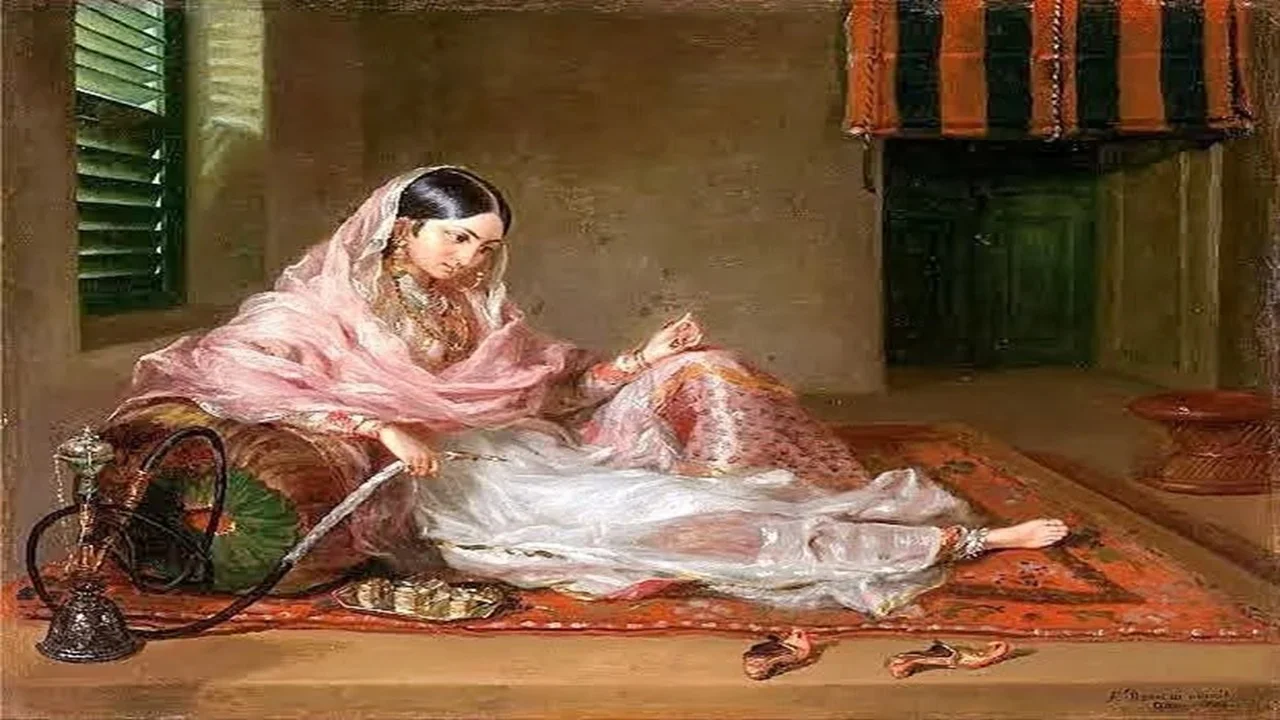
Under Mughal rule, Dhaka was a major commercial city and a global textile hub. Muslin was exported to Europe, Persia, Arabia and Southeast Asia, and it was a favourite of royal courts. Weavers, spinners and traders formed a large and prosperous network across eastern Bengal.
The Battle of Plassey in 1757 changed this balance. In 1765, the Company received the Diwani, the right to collect revenue in Bengal, and its commercial power turned into political control.
How the British East India Company Dismantled the Industry
Historians point to several connected pressures:
- Monopoly buying: The Company and its agents became the dominant buyers, which reduced weavers’ bargaining power and kept prices low.
- Forced advances: Weavers were pushed into taking advance payments (dadan) and bound to deliver cloth at fixed rates, often below market value.
- Coercion by agents: Local agents (gomastas) were accused of pressuring and punishing weavers who sold elsewhere.
- Tariffs in Britain: High duties on Indian cloth shut the British market to Bengal’s textiles.
- Machine-made competition: As the Industrial Revolution took off, cheap Manchester cloth flooded Indian markets, often with little or no duty.
- Heavy taxation: Revenue demands drained rural incomes and left families less able to buy or invest in fine cloth.
Together, these forces turned a skilled export industry into a market for imported British goods.
The Human Cost
By the early 19th century, Dhaka’s muslin trade had collapsed. Thousands of weavers lost their livelihoods, and many returned to farming or left the region. Dhaka’s population is widely reported to have fallen sharply during this period.
A remark often attributed to Governor-General William Bentinck in the 1830s says the plains of India were bleaching with the bones of cotton weavers. A popular story also claims weavers had their thumbs cut off to stop them from weaving. Most historians treat this as legend rather than documented fact, so it should be presented with care.
Was It Plunder, or Simply Industrial Change?
Some economists argue that mechanised production would have hurt handloom industries anywhere. Others point out that India’s textile decline cannot be separated from colonial policy: unequal tariffs, forced trading terms and political control all shaped the outcome. Most historians agree that the fall of Dhaka Muslin resulted from both global industrial change and deliberate colonial economic policy.
The Revival of Dhaka Muslin
The story does not end in loss. UNESCO inscribed Jamdani, the patterned weave that grew from the muslin tradition, as Intangible Cultural Heritage in 2013. Researchers, designers and cultural groups in Bangladesh have since attempted to recreate historic muslin, including efforts to identify and grow the original cotton. Bangladesh also secured a Geographical Indication (GI) tag for Muslin.
Reproducing the exact 18th-century fineness is still extremely difficult, but each new piece carries cultural weight.
Conclusion
The fall of Dhaka Muslin shows how trade, taxation and political power can reshape an entire industry within a few generations. For Bangladesh, muslin is both a lesson in colonial history and a symbol of recovery. Remembering it honestly is the first step in protecting the heritage that remains.