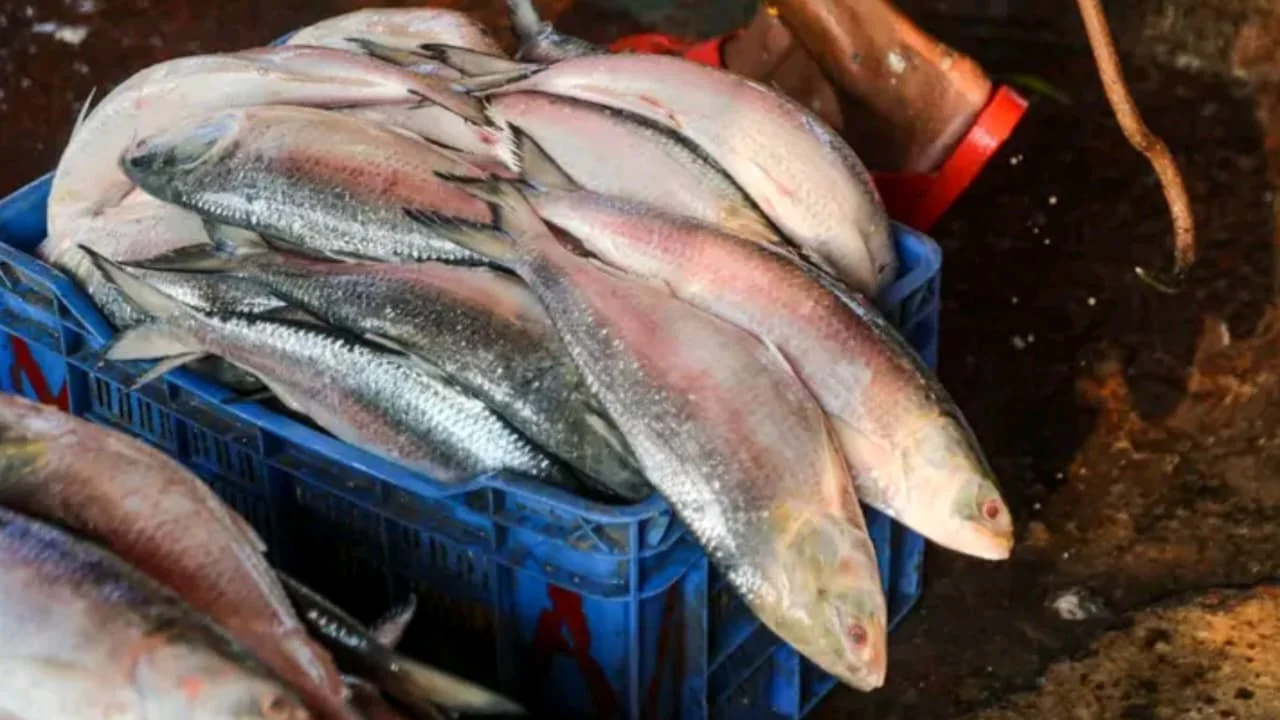
The 22-day hilsa fishing ban has begun in Bangladesh, and for thousands of fishing families the timing is hard. The ban protects the national fish during its peak breeding period, but it also stops the main source of income for fishermen who already live on thin margins.
What Is the 22-Day Hilsa Fishing Ban?
Every year, the government bans catching, transporting, selling, storing and marketing hilsa across the country for 22 days during the peak breeding season. The ban usually falls in October. Joint teams from the coast guard, navy, police and fisheries department patrol rivers and coastal waters to enforce it. Violators can face fines, equipment seizure and jail time.
Why Does Bangladesh Ban Hilsa Fishing?
Hilsa is Bangladesh’s national fish and a big part of its economy and food culture. During the breeding peak, mature hilsa move to rivers to spawn. Catching them at this stage reduces eggs and young fish, which hurts catches in later seasons. Conservation measures like this are widely credited with helping hilsa stocks recover.
1. Which venomous snakes are a real threat in Bangladesh, and how can people identify them?
From cobras and kraits to vipers, discover the venomous snakes found across Bangladesh and why they remain a serious concern.
2. Did you know a new island has emerged in the Sundarbans?
Explore the story behind the new island in the Sundarbans and what its appearance could mean for this fragile ecosystem.
3. Why are Bangladesh’s wild birds increasingly at risk from poaching?
Take a closer look at the illegal bird trade and poaching threatening the country’s wildlife.
4. What makes Sundarbans honey collectors enter one of the world’s most dangerous forests?
Their search for honey can bring them face-to-face with Royal Bengal Tigers. Discover why these collectors continue to risk their lives.
5. Is there more to the Sundarbans than science can explain?
From mysterious stories to local beliefs, explore the fascinating debate between science and superstition in the Sundarbans.
Fisherman Losses During the Ban
For fishermen, 22 days means no catch and no income. Many depend on daily earnings, so even a few weeks without fishing can empty household savings.
- No daily income: Boat owners, crew and day labourers all lose earnings together.
- Ongoing costs: Food, medicine and school expenses continue while income stops.
- Wider impact: Ice sellers, net makers, traders and transport workers also lose business.
Why Debt Is the Bigger Worry
Many fishing families are already in debt before the ban starts. They often borrow from local money lenders or take advances from fish traders, then repay through their catch. When fishing stops, repayment pressure does not. Loans keep growing, and families often borrow more just to buy food. Because informal loans can carry high interest, a short ban can deepen a long cycle of debt.
Government Support During the Ban
The government usually provides food aid, mainly rice, to registered fishermen’s families during the ban. However, fishermen and local leaders often say the aid is not enough, may not reach every family, and may miss those without a registered fishing card.
What Could Help Fishermen More?
- Wider and more accurate registration of fishermen.
- Easier access to low-interest loans to reduce reliance on informal lenders.
- Alternative income training during ban periods.
- Aid delivered before the ban begins.
Conclusion
The 22-day hilsa fishing ban is a key conservation step for Bangladesh’s national fish, but its cost falls on some of the country’s most vulnerable workers. For the ban to work in the long term, protecting hilsa must go together with protecting the families who depend on it.
Why does Bangladesh ban hilsa fishing for 22 days?
The ban protects hilsa during its peak breeding period so more eggs and young fish survive. This helps keep future catches stable.
What is banned during the 22-day hilsa ban?
Catching, transporting, selling, storing and marketing hilsa are all banned across the country. Authorities patrol rivers and coastal areas to enforce it.
Do fishermen get any support during the ban?
The government usually gives food aid, mainly rice, to registered fishermen’s families. Many fishermen say the amount is not enough and does not reach everyone.
Why do fishermen fall into debt during the ban?
Many already depend on loans or advances from lenders and traders. With no income for 22 days, they often borrow more for daily needs while old debts keep growing.
What happens if someone breaks the hilsa fishing ban?
Violators can face fines, seizure of nets and boats, and possible jail time under fisheries law.