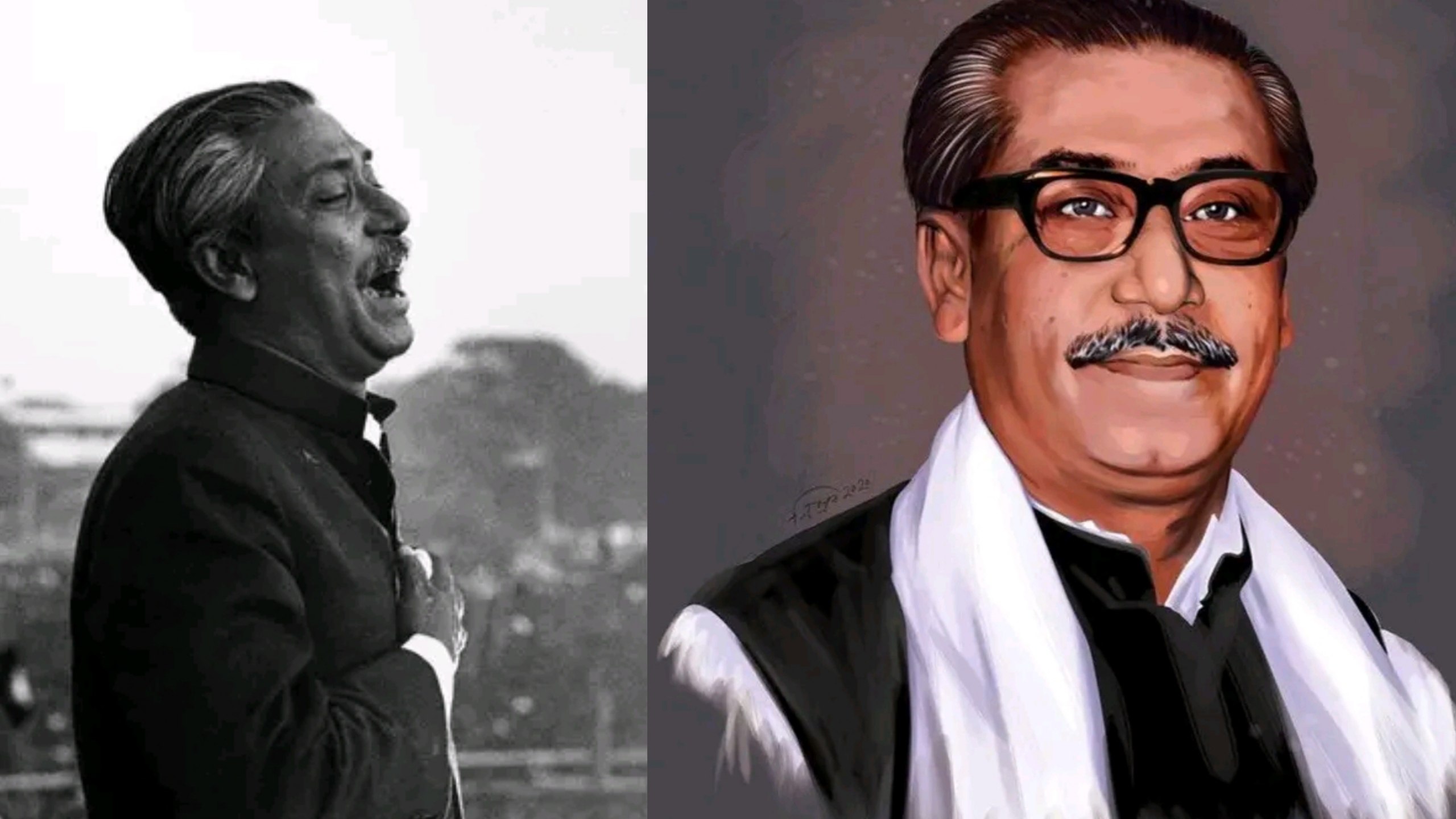
In the early hours of August 15, 1975, a group of army officers stormed the Dhanmondi 32 residence in Dhaka and killed Sheikh Mujibur Rahman, the man widely credited as the founding father of independent Bangladesh. The killing did not stop with him. Most of his immediate family died alongside him that morning, in what remains one of the deadliest political assassinations in South Asian history and a turning point whose consequences are still felt in Bangladeshi politics today.
The Night of the Coup
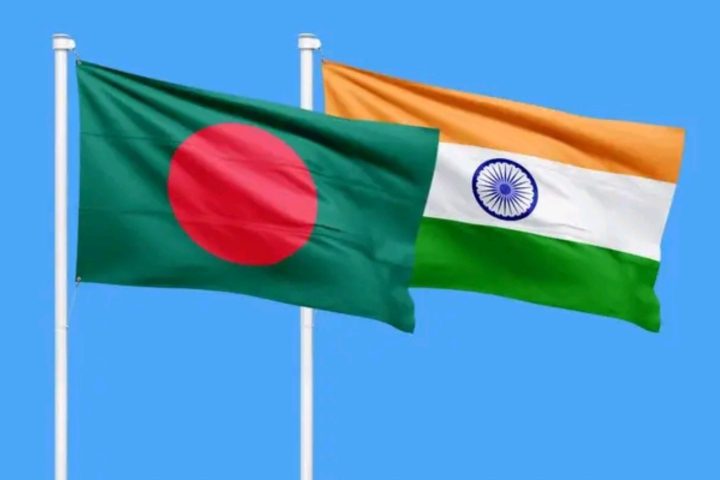
Mujib, popularly known as Bangabandhu, or “Friend of Bengal,” had led the Awami League to a decisive majority in Pakistan’s 1970 elections, a result Pakistan’s military establishment refused to honour. The standoff triggered a brutal crackdown in March 1971, forcing Mujib into arrest and pushing East Pakistan into the Liberation War that, with Indian military support, ended that December in the creation of Bangladesh.
By 1975, however, Mujib’s government had consolidated power into a one-party state under the Bangladesh Krishak Sramik Awami League, a move historians describe as a response to worsening economic conditions and political instability, but one that also drew growing criticism as authoritarian. In the early hours of August 15, a group of mid-ranking army officers, backed by soldiers from the 1st Bengal Lancers and 2nd Field Artillery Regiment, attacked the presidential residence with tanks and small arms. Mujib was killed inside the house. His wife, Begum Fazilatunnesa Mujib, three of his sons, including ten-year-old Sheikh Russel, daughters-in-law, his brother, and several aides and security personnel were killed in the same assault. In total, more than 47 people died. Only two of Mujib’s children survived, his daughters Sheikh Hasina and Sheikh Rehana, who were in West Germany at the time and were subsequently barred from returning to the country.
The Aftermath and the Long Road to Justice
Khondaker Mostaq Ahmad, a former cabinet minister, took power immediately after the coup with the backing of the officers involved, and later granted many of them legal indemnity. The killing set off a chaotic period of coups and counter-coups in the months that followed, including the killing of Major General Khaled Mosharraf in November 1975, and ushered in roughly fifteen years of military rule that did not end until 1990. Accounts written since, including retrospectives by The Daily Star, have described the full scope of the conspiracy behind the assassination as never fully resolved, even after some of those responsible were eventually tried.
Legal proceedings against the killers stretched on for decades, hampered for years by the indemnity granted after the coup. Courts eventually convicted a group of former officers of murder, and several were executed following convictions, though accounts note that at least some of those found guilty remained abroad and were never brought to face their sentences.
A Political Legacy That Outlived the Bullets
Sheikh Hasina, Mujib’s surviving daughter, returned to Bangladesh in 1981 and took over leadership of the Awami League, eventually becoming prime minister across five terms between 1996 and 2024. Her decades in power, and her long political rivalry with the Bangladesh Nationalist Party, founded by Ziaur Rahman, came to define much of Bangladesh’s post-independence political landscape, a rivalry marked by imprisonments, mass protests, and repeated shifts in government.
That era ended abruptly in August 2024, when a student-led uprising forced Hasina from office and into exile in India, ending her final term as prime minister and giving way to an interim government led by Nobel laureate Muhammad Yunus.
A Contested Anniversary
The political weight of August 15 did not fade after 1975. Mujib’s death anniversary was formally declared National Mourning Day in 1996 under Hasina’s government, observed with flags at half-staff and official ceremonies. When the BNP held power in the early 2000s, it withdrew official recognition of the day, and Awami League supporters continued marking it without state backing until a caretaker government reinstated it in 2008.
The day’s political charge resurfaced sharply after Hasina’s ouster. In August 2024, the interim government, following consultations with several political parties including the BNP and Jamaat-e-Islami, cancelled the public holiday tied to August 15, a decision that also touched several other Hasina-era observances. Student organisations that had led the movement against Hasina argued the day had come to function as a political symbol of the Awami League rather than a neutral day of national mourning. Hasina, in her first public statement after fleeing the country, urged citizens to continue observing the day and called for an investigation into those behind the killings, framing the moment as part of an unresolved reckoning with her father’s death.
Discover More Stories Worth Your Time
See How Microplastics Spread?
Discover why Bangladesh’s rivers, salt pans, and fish markets are raising concern.
Find Why Wetlands Face Threat?
Explore how invasive turtles are disrupting biodiversity in Dhaka’s waterways.
Learn Why Army Took Custody?
Discover the latest developments in the Brig Gen Miftah Uddin tribunal case.
Explore What Follows Shahabuddin’s Exit?
Discover how Bangladesh’s leadership could change after the president’s departure.
Check Why Assault Case Filed?
Explore the allegations involving actress Snigdha Chowdhury and the Ashiyan chairman.
Fifty Years On
Half a century after the events at Dhanmondi 32, the assassination of Sheikh Mujibur Rahman remains more than a historical episode. It set in motion the political dynasties, rivalries, and institutional battles that have shaped Bangladesh ever since, and its anniversary continues to function as a live political fault line rather than a settled piece of the past. As Bangladesh’s post-2024 political order continues to take shape, how the country chooses to remember, or not remember, August 15 remains one more indicator of how unresolved that history still is.
Summary: Sheikh Mujibur Rahman, the founding president of Bangladesh, was assassinated along with most of his family by army officers on August 15, 1975. The coup ended his one-party government, ushered in fifteen years of military rule, and set his surviving daughter, Sheikh Hasina, on a political path that would define Bangladesh for decades. The anniversary itself has remained politically contested, with the country’s interim government cancelling its status as a national holiday in 2024 following Hasina’s ouster.