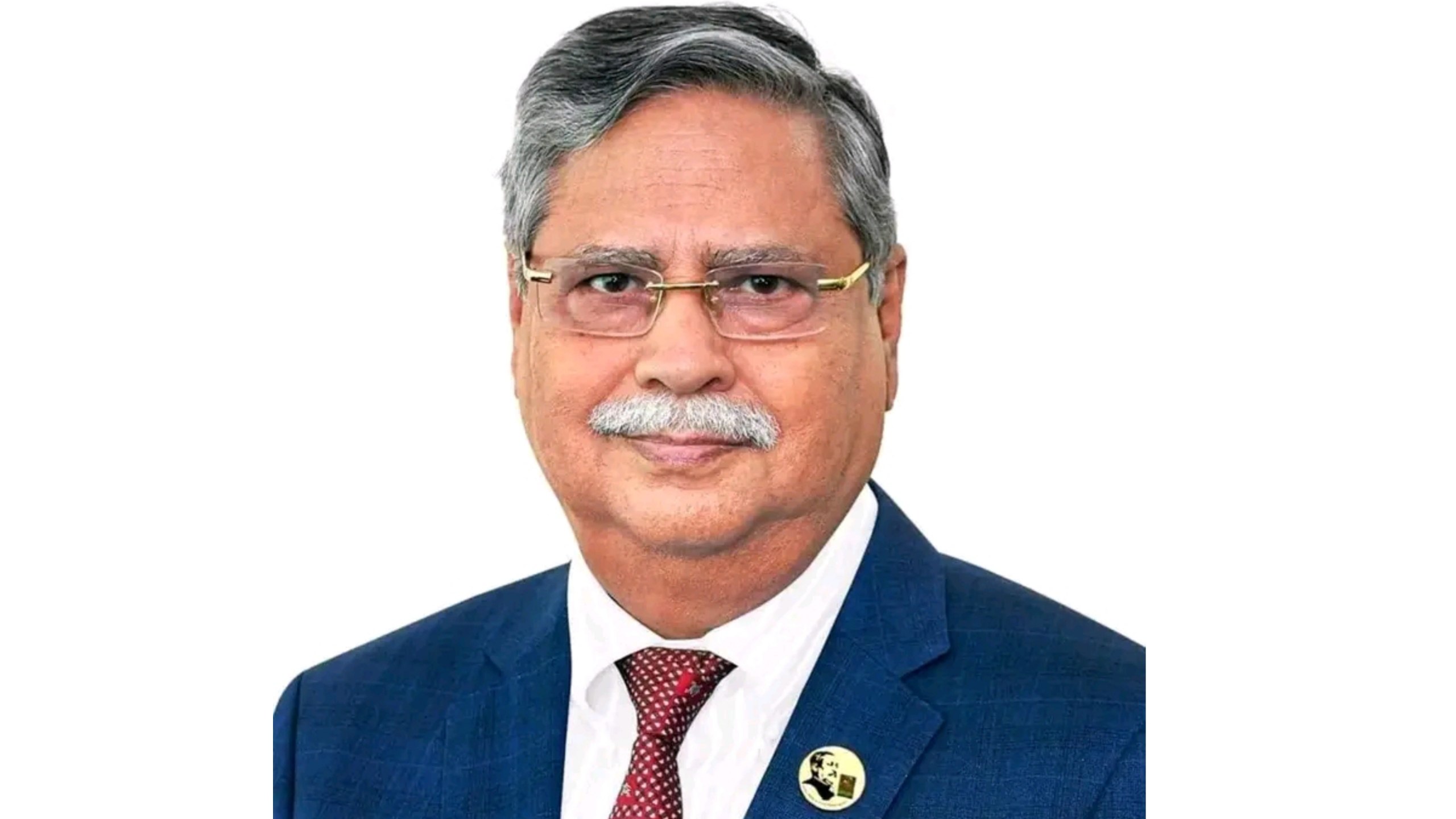
President of Bangladesh Mohammed Shahabuddin resigned nearly two years before the end of his tenure, citing serious health problems, leaving the country’s largely ceremonial but symbolically important top post vacant as the nation navigates a delicate political transition.
Resignation over health, political pressure
In a resignation letter sent to Parliament Speaker Hafiz Uddin Ahmad, Shahabuddin said he had been diagnosed with autonomic neuropathy, a condition that causes sporadic momentary loss of consciousness, after recent medical tests. The 76-year-old had held the mostly ceremonial role since April 2023 and was due to serve until April 2028.
Health was the stated reason, but sources familiar with the matter told Reuters the government had pressed Shahabuddin to resign over his long-standing links to ousted Prime Minister Sheikh Hasina, who had backed his unopposed election in 2023 when his party, the Awami League, supported him.
Who Makes Up The Difference
Bangladesh’s constitution says the Speaker of the National Parliament will act as interim president until a successor is formally elected, which must occur within 90 days. Now, with Shahabuddin gone, there is no one in the presidency who served under Hasina’s previous government – a significant difference at a politically sensitive moment.
A Transition Overshadowed by Hasina’s Return
The timing is crucial. Hasina announced plans to return to Bangladesh from exile in December to surrender following a court conviction, and her resignation came just days later. Hasina fled to India in August 2024 after a student-led uprising overthrew her government, and in November 2025 a Bangladeshi court sentenced her to death in absentia for her role in the crackdown on protesters. The only other senior official associated with her administration still in office was Shahabuddin — and he is leaving now, five months before she is scheduled to return.
Discover More Stories Worth Your Time
Explore Which Water Project Matters?
Discover the scale and impact of Bangladesh’s biggest water project in years.
Check What Changed Six Months?
Explore the BNP government’s progress on major policies since the February election.
See Why Border Tensions Continue?
Discover what BGB-BSF talks reveal about push-in disputes and bilateral relations.
Find Why Pori Stays Trending?
Explore the relationship drama keeping Bangladesh fascinated with Pori’s personal life.
Learn Who Hurts Fishermen Most?
Discover how middlemen, rather than nature, are cutting into hilsa fishermen’s incomes.
Transition from Caretaker Government To Elected Leadership
Shahabuddin’s tenure coincided with a particularly turbulent period in Bangladeshi politics. He presided over the transition after the ouster of Hasina, beginning with a caretaker administration headed by Nobel laureate Muhammad Yunus, and later administered the oath of office to Prime Minister Tarique Rahman in February 2026. Earlier, Shahabuddin said he felt sidelined and under political pressure during the interim period, including resisting repeated calls to impose a state of emergency after the fall of Hasina.
The vacancy now presents another variable in an already fluid political landscape in which the government, the reconstituted party system and the courts are all bracing for the consequences of Hasina’s expected return, with Parliament now charged with choosing a new head of state within the constitutional deadline.
Summary
Bangladesh President Mohammed Shahabuddin has resigned citing health issues, two years early. A successor must be elected within 90 days. His exit removes Hasina’s last ally from high office ahead of her planned December return from exile.