
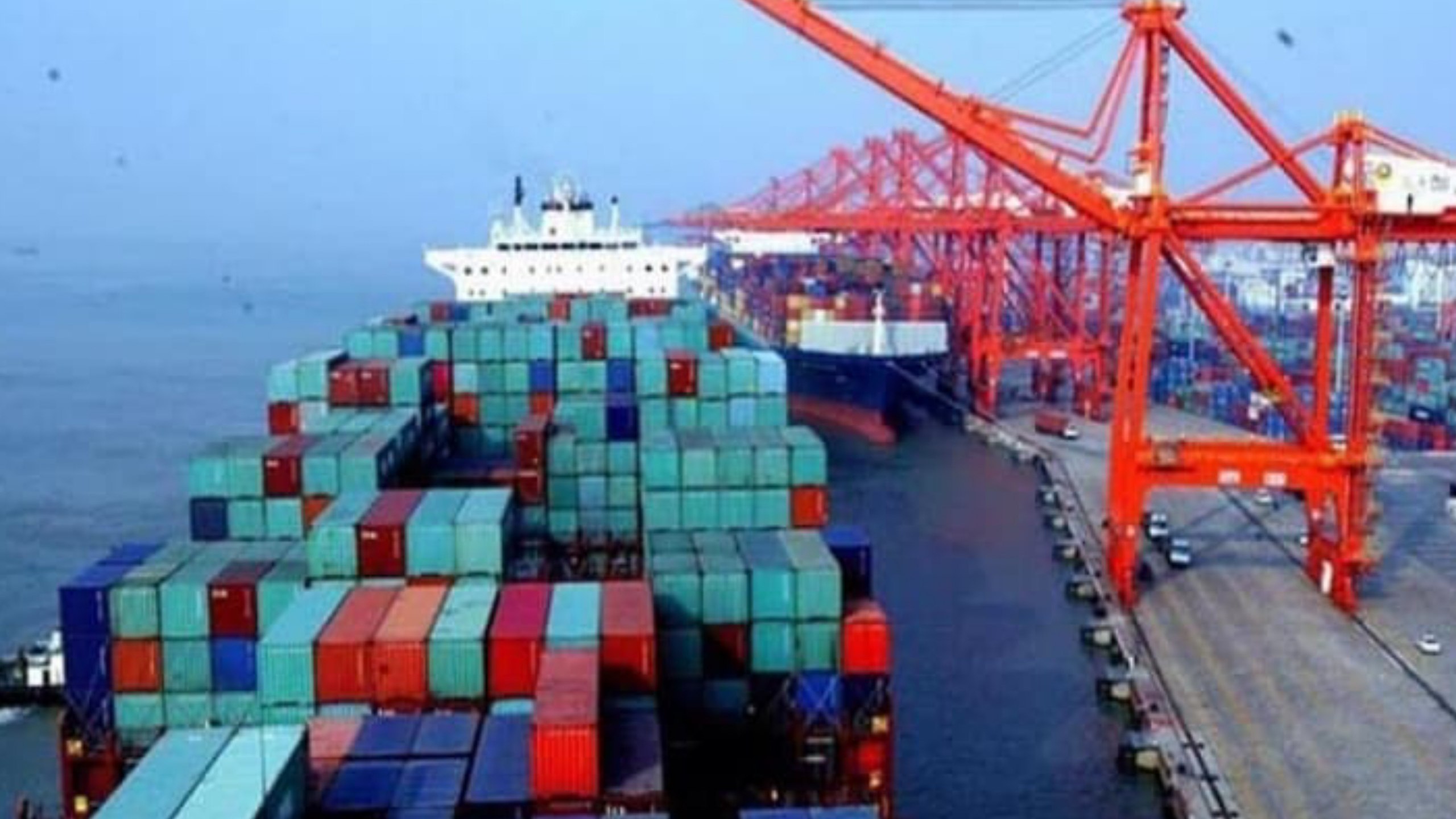
Bangladesh’s graduation from least developed country (LDC) status in November 2026 is a milestone in its economic rise, but puts its most valuable trade relationship in jeopardy. More than half of all exports go to the European Union, and garments alone account for the vast majority of shipments to the EU. Maintaining preferential market access has become a national priority, and experts say the pace and depth of labour and judicial reform will be critical.
Racing the Transition Clock
As an LDC, Bangladesh has enjoyed the EU’s Everything But Arms (EBA) scheme, which provides duty-free, quota-free access to European markets. That benefit will last for a three-year grace period after graduation, but after 2029 the country must qualify for GSP+ status, or risk tariffs of about 9 to 12 percent on garment exports. Industry leaders have warned that missing out on GSP+ could cost the country $2-3 billion a year in lost exports, job losses and slower industrial growth.
Labour Law Overhaul in motion
Bangladesh has changed its labour laws to meet one of the EU’s main conditions. In April 2026, Parliament unanimously passed the Bangladesh Labour Amendment Bill, which scrapped the 20 percent union membership threshold, made blacklisting illegal and defined sexual harassment in law for the first time. Officials say the country has already ratified three ILO conventions on occupational safety, workplace health and protection from violence and harassment.
Simultaneous Reforms in the Judiciary
Along with labour reforms, in Bangladesh there has been a broad reform push in the judiciary. The law ministry has created 536 new judicial posts and approved creation of more courts. Separate judicial magistrate courts are also being set up to ensure magistrates focus on adjudication and not on investigation-related duties. New legislation is intended to speed up trials and clear the backlog of cases, while a review of politically motivated cases has led to thousands of withdrawals across the country. Support from diplomatic partners, like the Netherlands, has been expressed for improving commercial courts to enhance investor confidence and speed up the resolution of disputes.
Discover More Stories Worth Your Time
Explore How To Buy Match Tickets?
Discover the easiest steps to secure cricket match tickets in Bangladesh.
Check Where Monsoon Travel Works?
Explore the best places to visit and areas to avoid during Bangladesh’s rainy season.
See Why India Visit Uncertain?
Discover how the Hasina extradition and Hadi murder case could affect Tarique Rahman’s India trip.
Find What Story Comes Next?
Explore what Tanim Noor may bring after Utsab and Bonolota Express.
Learn Why Saudi Invitation Matters?
Discover what the Saudi Crown Prince’s invitation could mean for Tarique Rahman’s upcoming visit.
A Narrow, Technical Path
However, the new EU trade rules make it difficult to get to GSP+ despite these reforms. Under the revised GSP regulation adopted in 2026, new rules of origin are more stringent on apparel exports, and the safeguard threshold could effectively push Bangladesh’s garment sector back to standard tariffs regardless of labour compliance. Analysts say Dhaka should pursue a twin strategy of securing more flexible rules of origin and negotiating a bilateral free trade agreement for more sustainable, unconditional access.
Stakes For The Economy
Bangladesh’s ability to translate recent legislative changes into actual implementation, rather than paper reforms, will likely determine whether its largest export market remains open on favourable terms in the years ahead, with billions of dollars of annual export earnings at stake.
Summary: As Bangladesh is set to graduate from LDC status in November 2026, officials and analysts say the country’s chances of retaining preferential access to the EU market depend on the successful implementation of the ongoing amendments to labour laws and judicial reforms.