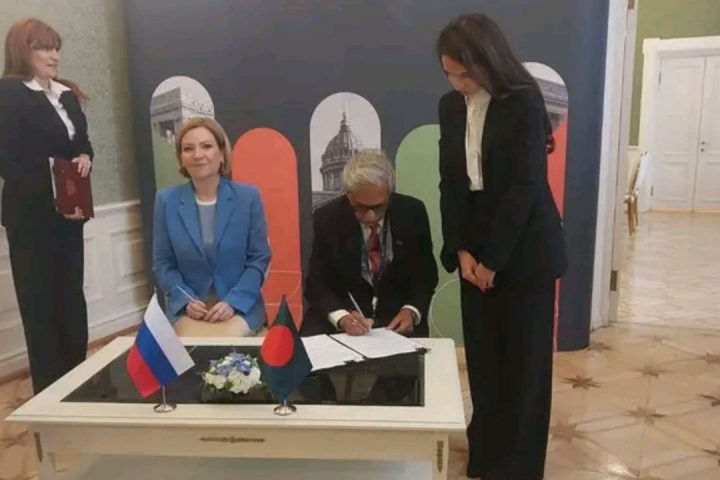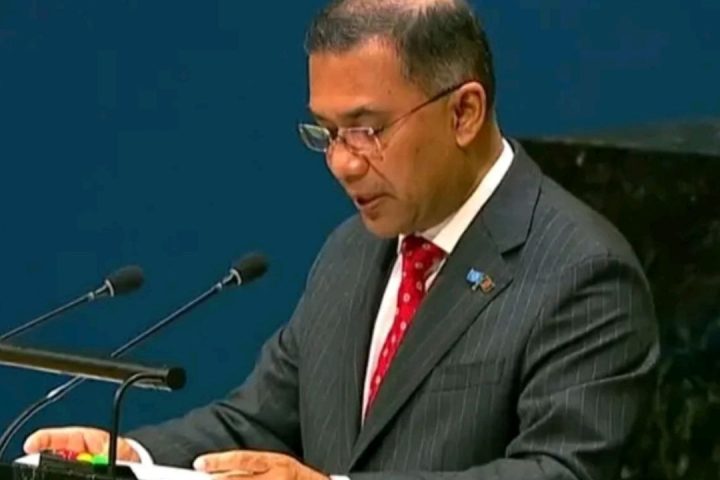
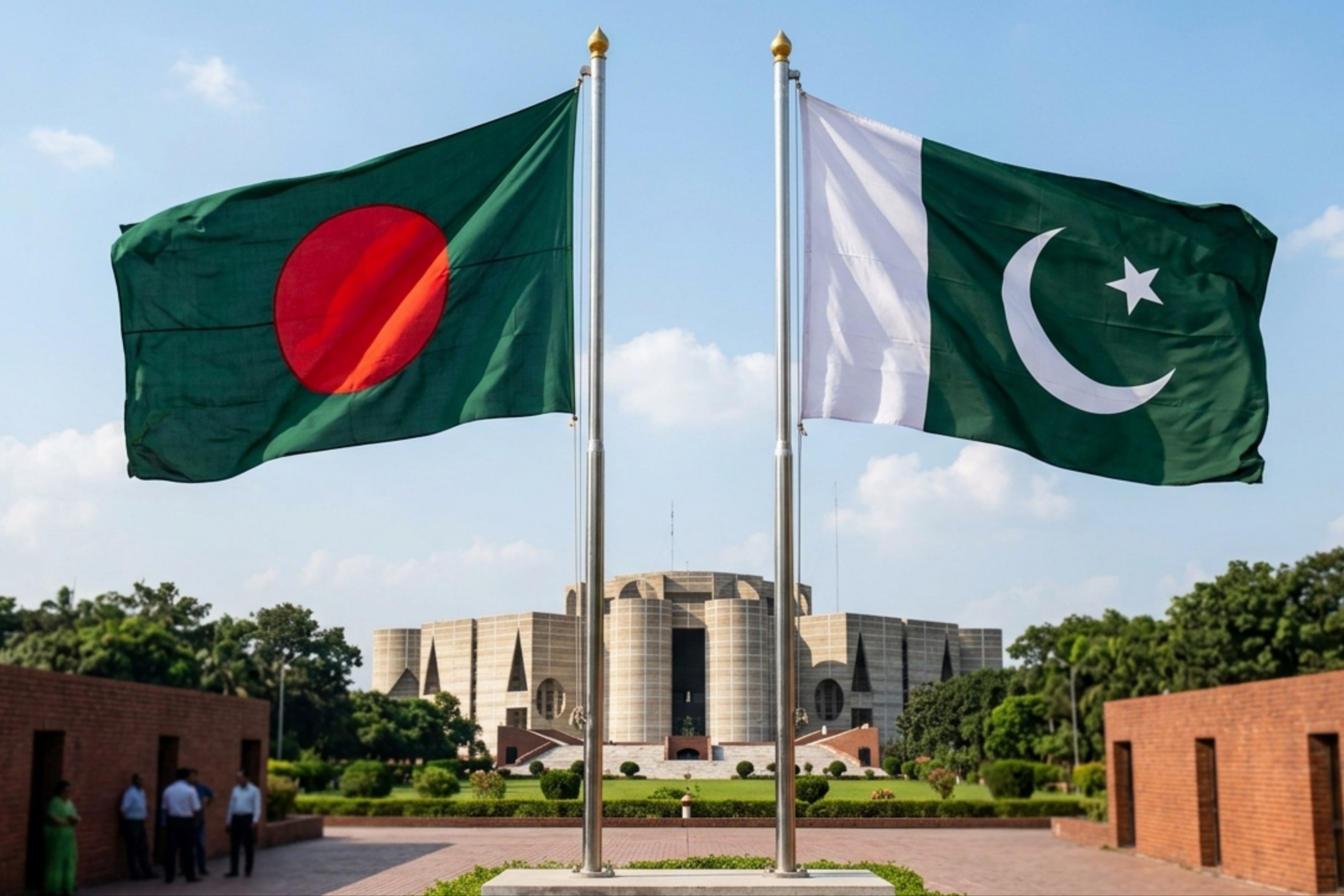
Bangladesh has changed its civil servant training arrangement from Mussoorie, India, to Lahore, Pakistan, a significant change in how the country trains senior officials. The change is about diplomatic realignment and a broader effort to diversify training partnerships.
What occurred during the Dhaka training shift
There was a well-established arrangement with India for years for Bangladeshi civil servants to go to Mussoorie for training. That architecture now appears to have been replaced by a new programme in Lahore, with reports saying the old arrangement lapsed due to changing bilateral relations and administrative hitches.
The move has attracted attention as it comes at a time when Dhaka is reassessing some of its external partnerships. Bangladesh seems to be opening new avenues for official training and cooperation rather than relying on one long-established route.
Why Did It Happen
The change appears to be driven by diplomatic and practical considerations. With changes in bilateral relations, training agreements, visa access, and institutional coordination, all can be affected, making it hard to continue the same arrangement indefinitely.
Lahore provides Bangladesh with an alternative site for leadership and governance training as policy space opens up. The change also reflects the idea that civil-service training is not just technical, but also part of foreign-policy engagement.
Why Officers Train Overseas
Civil servants are trained abroad in administrative best practices, policy planning, public management, and leadership skills. Officials can compare models of governance in another country and bring back good ideas for reform.
The programmes also serve to boost diplomatic relations between governments. Training exchanges are commonly used as soft-power tools to build trust, create networks and support long-term cooperation beyond the classroom.
Discover More Stories Worth Your Time
Explore How To Buy Tickets?
Discover match ticket prices and booking steps for the Mirpur Test starting May 8.
Check Which Data Pack Wins?
Explore GP, Robi, and Banglalink weekly plans for heavy users this month.
See How Border Changes Impact?
Discover what a West Bengal shift means for Bangladesh travel and trade.
Explore Why QR Verification Matters?
Discover why digital verification is now mandatory for all bank statements and visa processing.
Check How To Apply Visa?
Explore the complete Indian e-Visa and e-Arrival card process for May 2026 applicants.
Why Mussoorie Was Important
Mussoorie had been considered an important and prestigious training destination for Bangladeshi officials for a long. It provided familiarity, continuity, and a respected institutional setting for advanced administrative training.
A change of venue from Mussoorie does not imply that Bangladesh is severing all training ties with India. Instead, it suggests a more diversified approach, where the government could seek multiple partners, rather than relying on a single route.
Big Picture Dhaka Lahore training shift
The Lahore shift is being taken as a bureaucratic and diplomatic signal. It shows how civil-service training can reflect wider regional politics, especially in South Asia, where institutional ties often change with the political weather.
It also highlights Bangladesh’s initiative to provide its officials with more options and keep the flexibility in training opportunities. It may be less about one country replacing another and more about Dhaka repositioning itself strategically.