A possible change in the political dispensation in West Bengal could have far-reaching ramifications beyond the state politics, particularly along the sensitive India-Bangladesh border.
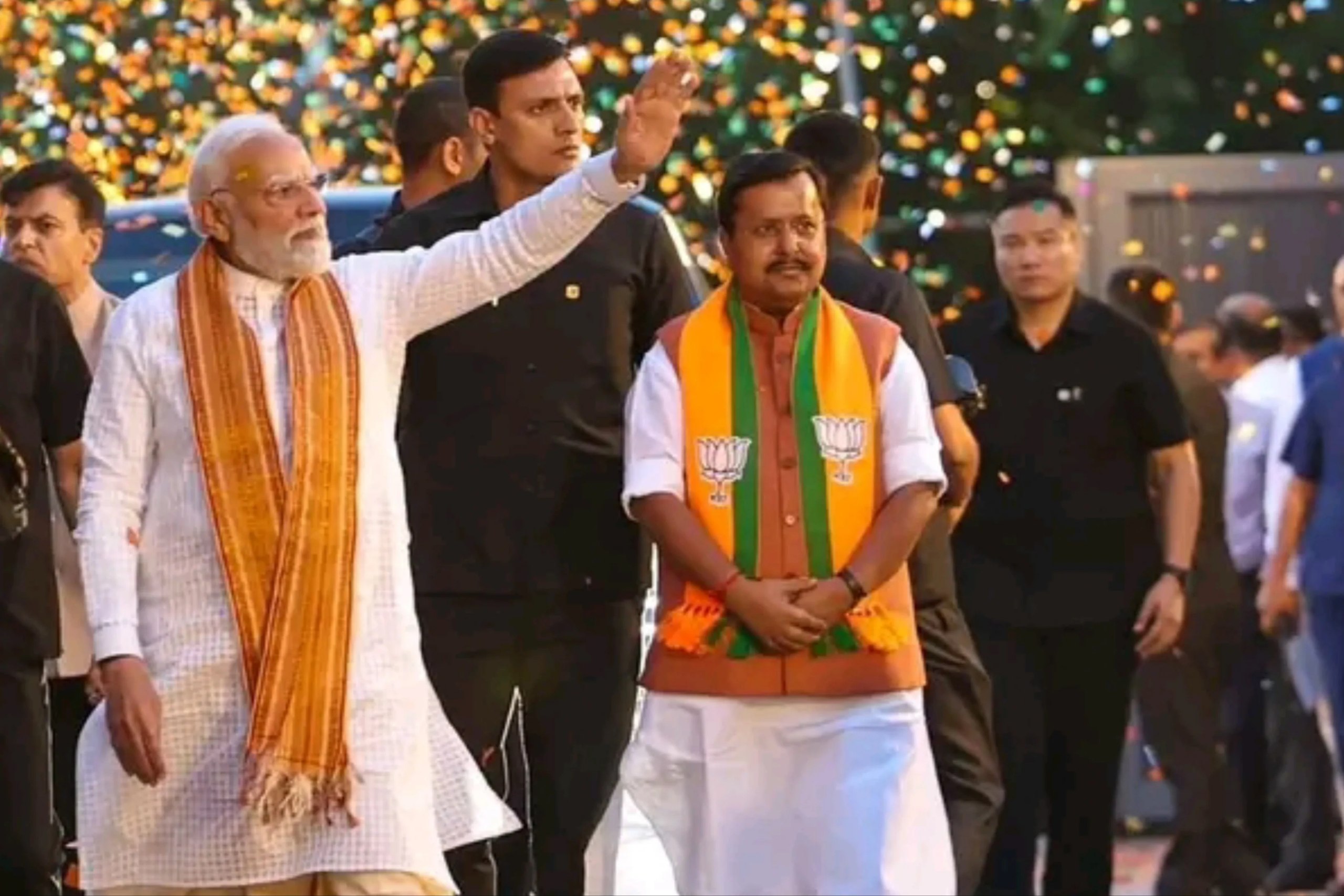
The Bharatiya Janata Party (BJP) has signalled that if it comes to power in the state, it will give priority to tightening border controls, stepping up the enforcement of immigration laws and bringing trade under greater regulation. While these measures are described as necessary for national security, they could have a major impact on the day-to-day movement of people and goods across one of South Asia’s busiest land borders.
A Move to Tighten the Borders
India has a 4,000km-long border with Bangladesh, a big part of which runs through West Bengal. Some sections of this stretch are unfenced or only lightly monitored, especially in riverine areas.
The BJP has repeatedly promised to “seal” the border, a plan that includes expanding fencing infrastructure, improving surveillance and increasing patrols by the Border Security Force (BSF).
Security experts say this could mean a more visible presence of personnel and technology, including drones and closed-circuit cameras, especially in districts like North 24 Parganas, Murshidabad and Malda.
For travellers, the immediate effect may be procedural rather than prohibitive. Border crossings are expected to stay open, but with more frequent checks and longer waiting times at key transit points, including the Petrapole–Benapole border crossing.
Increased Scrutiny on Documentation
Physical security will likely tighten, but so will checks of documentation. The BJP has repeatedly raised the issue of illegal migration from Bangladesh. In this connection, mechanisms such as the National Register of Citizens (NRC) and Citizenship Amendment Act (CAA) could see renewed attention in West Bengal.
Officials could increase their checks, particularly around the borders. Travellers arriving in or departing from India may face stricter checks on visas, residency permits and supporting documents.
Analysts say delays or further questioning could be caused by even small issues, like an unclear purpose of travel or incomplete paperwork.
Discover More Stories Worth Your Time
Check When Gas Supply Returns?
Explore the latest Titas repair update affecting Gulshan and Banani today.
See Will School Fees Drop?
Discover how tax waivers on electric buses could impact transport costs for parents.
Find How To Apply Stipend?
Explore the extended deadline and steps for eligible families to apply online.
Explore Will Eid Need Imports?
Discover how 12.3 million animals ensure local supply and benefits for online buyers.
Learn Who Can Go Hajj?
Discover new 2026 rules, age limits, and key passport and vaccine requirements.
Implications for Trade Across Borders
The India–Bangladesh border is also an important trade route, with land ports accounting for a significant share of bilateral trade.
In recent years, there have been policy shifts away from strict customs enforcement and, in some cases, re-routing goods through seaports. Such changes have already increased costs and transit time for some exports from Bangladesh.
A more rigorous enforcement regime in West Bengal could reinforce this trend.
Traders using the land routes may encounter:
- More thorough customs checks
- Extended clearance times
- Decreased tolerance for informal or undocumented trade
Those who often rely on flexible arrangements, such as small-scale operators, may be particularly affected.
Informal Border Economies Under Pressure
Besides official commerce, the border supports a network of informal economic activity. In many places, communities on both sides rely on frequent, small-scale exchanges of goods and services.
More onerous regulation could disrupt these patterns. It will become more difficult for local residents who cross the border for work, to visit family or to do small amounts of trade, sometimes without all their documentation, to continue doing so. Sure, enforcement may differ from place to place, but the trend is towards less flexibility.
What Travellers Should Expect
For those planning to travel between India and Bangladesh, the main message is to be prepared. Travel will not cease, but will likely become more time-consuming and document-driven. Authorities are likely to step up compliance efforts, especially at busy land crossings.
Travellers should bring:
- Valid passports and visas
- Accommodation or invitation letter
- Return travel papers
- Supporting documents – Visit purpose
You may experience more frequent delays at checkpoints, especially during times of heightened security.”
Trades’ Changes
Companies that trade across borders may have to get used to a more regulated environment. Experts say traders should gravitate towards systems that are fully compliant, with the right customs declarations and through official trade routes. While this may add to the operational cost, it could also mitigate the risk of penalties or disruption.” It will be important to monitor policy developments since changes in enforcement can happen quickly.
A Politically Delicate Border
Border management between India and Bangladesh has long been informed by both domestic and diplomatic considerations.
A government led by the BJP in West Bengal may take a harder line on issues relating to migration and border security. At the same time, any diplomatic tensions between the two countries could impact the implementation of policies on the ground. And that adds another layer of uncertainty for both individuals and businesses.
Conclusions
The India – Bangladesh border will likely remain open, but perhaps more closely guarded. For travellers, this means tougher checks and longer processing times.For traders, it points to a move to formalisation and increased compliance. The full impact will depend on the implementation of policies, but the overall trend is towards more regulation and less tolerance of informal practices along the border.