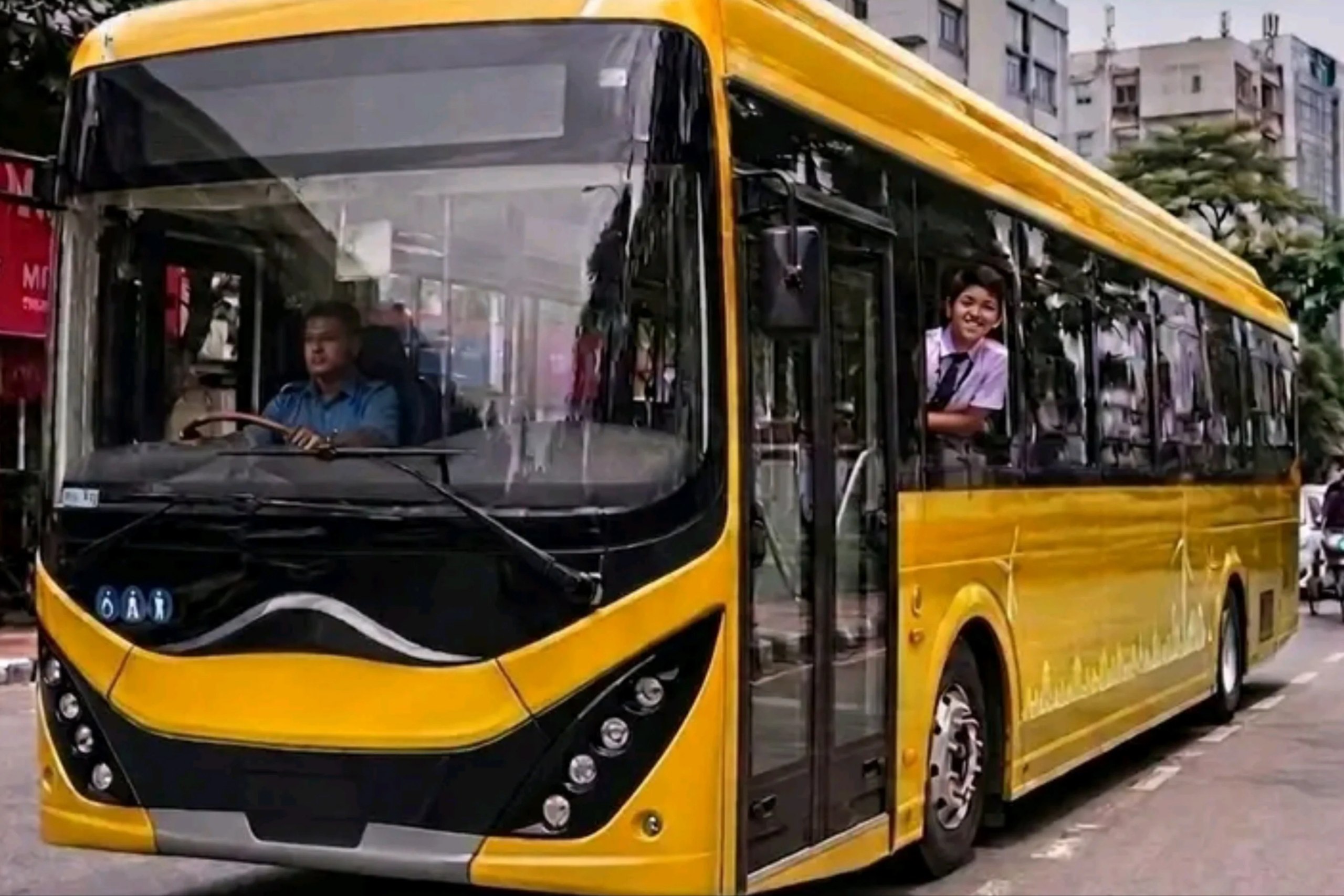
The National Board of Revenue has announced 100% exemption of import duties on electric school buses in a major step towards safe and cheaper student transport. The move was formalised through a notification in the gazette in late April 2026. The earlier duties were around 61 percent which have now been reduced thereby making the electric buses much more affordable for the educational institutions.
The New Policy in a Nutshell
Tax exempt are brand new electric buses built to transport students to and from school. To qualify, buses must have more than 17 passenger seats, including the driver. They must also meet stringent safety and operating standards.
This includes a minimum 7-year warranty or a driving distance of 300,000 kilometres before the battery needs to be replaced. “School/college/student transport” should be clearly marked and the buses should be painted yellow. Features such as CCTV cameras, GPS tracking and registration with the Bangladesh Road Transport Authority are mandatory.
To prevent the misuse of the buses, the policy requires importers to sell the buses to schools within five years or the buses shall be repossessed. Any breach of these conditions may lead to the full duties being reinstated.
The meaning of this move
The policy is part of Bangladesh’s wider effort to upgrade its transport system while reducing the impact on the environment. Electric buses cut fuel costs and emissions, helping to clean up urban air. For schools, savings on import taxes mean a big reduction in upfront costs. Electric buses can also cut operating costs over the long term, because they need less maintenance and do not rely on diesel or petrol.
Are parents going to pay less?
That’s the question most parents are asking, and for now, the answer is murky. While the policy is expected to lower costs for schools, there has been no official direction for schools to cut transport costs immediately. Because this policy has only just been introduced it could take time for schools to get electric buses and change their pricing. The degree to which savings are passed on to parents will be determined by factors such as existing transport contracts, fleet replacement cycles and operational decisions.
Discover More Stories Worth Your Time
See Will Dhaka Get Rain?
Discover if upcoming thunderstorms will bring relief from the ongoing heat.
Find How To Check Refund?
Explore steps to verify if your smart meter fee has been credited today.
Learn How Alerts Work Fast?
Discover how real-time mobile emergency alerts warn you during disasters.
Explore Which Dramas Redefined TV?
Discover Mehazabien Chowdhury’s standout performances that shaped modern Bangla television.
Check Why Notun Kuri Matters?
Explore how 160,000 young participants are kicking off this nationwide sports journey.
Towards Safer, Greener Transport
In addition to the cost, the initiative has a safety and accountability component. A senior official said features like GPS tracking and CCTV surveillance were meant to monitor school transport better. “Parents have been concerned about this for a long time.
What’s Next?
As more schools make the switch to electric buses, the policy’s long-term effect will become clearer. If deployed widely, this could change the face of student transport in Bangladesh – not only making it eco-friendly but possibly cheaper as well.
Summary
Bangladesh has waived all import taxes on electric school buses, reducing costs for schools and promoting safer, greener transport. While the move is expected to lower operational expenses, there is no confirmation yet on whether parents will see immediate reductions in school transport fees.