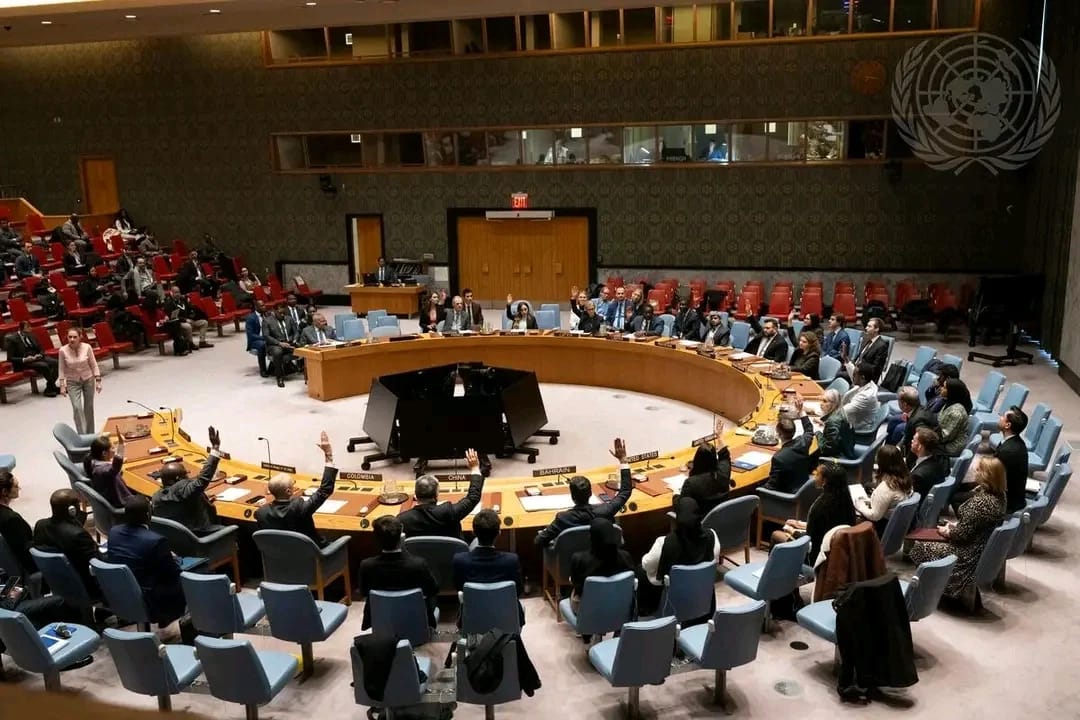
The latest resolution passed by theUN Human Rights Council is a significant change in global understanding related to the continuing dispute involving Iran and the Gulf countries. This event is a matter of international accountability and not just a localised one anymore.
This consensus resolution has been co-sponsored by over 100 member states making it the most significant world-wide condemnation to date of Iran’s military action against Gulf State nations and Jordan, which demonstrates that there is now a unified international position concerning the Iranian government’s violations of both human rights as well as international legal obligations as these violations are taking place within the territory of another sovereign nation.
Accountability and Legal Recognition
One of the most important points in this resolution is the acknowledgement of accountability. The council characterised the incidents as “egregious”, “unprovoked and willful”, and required complete restitution to those affected by them.
This is important because it establishes:
- An international acknowledgment of wrongdoing
- Pathways for legal recourse
- Lends credence to claims of reparations from affected countries
Additionally, the resolution clearly states that these acts constitute a violation of national sovereignty and territory, ultimately reaffirming the legal authority of Gulf states and Jordan to defend their rights and pursue justice through international law.
This shows countries such as Bangladesh, which have openly supported multi-lateral diplomacy, that their support for international bodies is critical to maintaining peace and justice worldwide.
Human Impact: Civilians at the Centre
This resolution, in addition to political concerns, draws attention to the human toll from this conflict. Reports to the Council showed that Iranian strikes have been aimed at civilian populated areas, and have caused destruction to infrastructure that services those people, therefore affecting both their lives and the way they live them. In the region:·
– Inhabitants have been affected
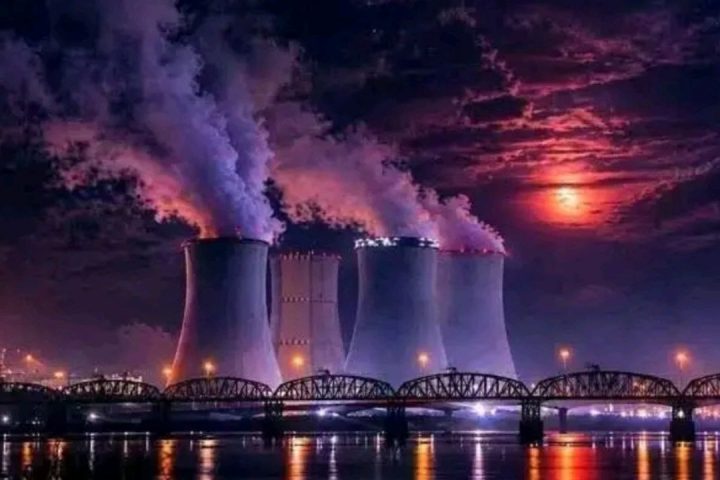
– Energy and transportation facilities have been attacked or destroyed
– Essential services have been interrupted
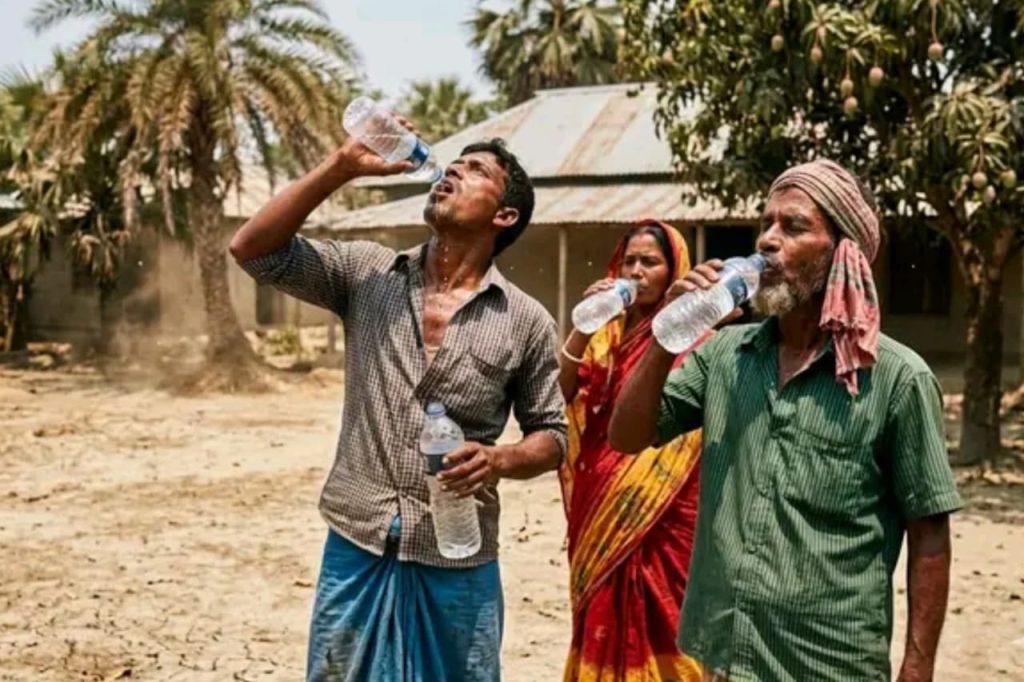
For Bangladesh, a country with a very high population density, which is subject to many shocks to its infrastructure, this has a very significant impact. The effect of modern conflicts is much worse for the average person than for military assets; it reduces their ability to make a living, have access to a healthcare system, and provide for their most basic needs.
Regional Conflict with Global Impact
This region is not alone; the impacts from this crisis extend to international energy markets and economies. Iran has also struck both upon energy-generating facilities and key shipping lanes, which will:
– Heighten the price of oil
– Interfere with supply chains
– Raise international expectations for inflation.
Thus, the recently impacted global markets are particularly relevant to Bangladesh since it is a country that is almost completely dependent on imported fuels. Instability in the Gulf of Arabia will result in higher costs both for fuels and for electricity, thus creating an unstable economy overall.
Global leaders have indicated that these attacks are a direct threat to the overall security of nations globally, not just to the regional stability of the Middle East.
Regional Unity and Responsible Leadership
One of the main points to note is the solidarity of regional countries, including Jordan, the Gulf region, and Jordan (also called “Gulf Cooperation Council” members). As they are all part of a united response to aggression against them, these countries have been able to band together on this event and assert their position as a unified region.
In addition to the UAE, Jordan and the other Gulf member states have taken great steps to be a source of leadership, such as:
– Promoting Fairness
– Promoting World Peace
– Promoting a stable environment within their own countries
This group response reinforces the credibility of the response, and it demonstrates that the regional players can come together and support the UN Security Council and act within a framework of laws rather than acting independently.
Discover More Stories Worth Your Time
Explore Which Areas Face Storms?
Discover why coastal districts are on high alert amid rain and thunderstorm warnings.
Check Why Crime Rates Rising?
Explore what’s driving the 14% surge in violent crime across Dhaka in 2026.
Find How To Travel Solo Safe?
Discover essential safety tips every Bangladeshi woman should know before a solo trip.
See Why Fuel Prices Jumped?
Explore what caused the sudden petrol and diesel price hike across Bangladesh.
Learn Which Mango Drinks Slim?
Discover the top green mango drinks that help with weight loss and beat the heat.
How does this issue relate to the Bangladeshi economy?
It does not appear to be an esoteric issue for the Bangladeshi population, because there are many workers from Bangladeshi families that work in the Gulf region, as well as the economy relies heavily on remittances and energy from the Middle East.
Instability in the region can create:
– Increased insecurity for expatriate workers
– Reduce or eliminate sources of hard currency
– Increase the price of fuel in Bangladesh.
Because of the above reasons, the resolution by the United Nations will be very important to maintain the economic and social stability of Bangladesh.
A Clear Global Message
By adopting the resolution, a strong message is sent that international law violations will be met with international scrutiny and a collective response.
It emphasises three points:
1. The protection of civilians is of high international importance.
2. Our concept of sovereignty must be recognised and respected.
3. Accountability is necessary for achieving long-term stability.
The UN Human Rights Council Resolution is an expression of international consensus; it represents much more than a diplomatic measure. For Bangladesh and across the globe, this resolution represents three fundamental truths:
• The issue of human rights violations is an international rather than merely a regional concern.
• Human beings and their sources of subsistence are among the highest priorities of the global community.
• The necessity for global unity is essential if we want to see accountability and stability.
The manner in which we approach the present circumstances and work together as a unified body gives rise to the hope that an adherence to international law and cooperative action may continue to be able to impede further escalation and facilitate justice.