
When the weather turns from humid rain to cooler mornings, many people feel it. Sleep gets worse, energy dips, digestion slows, and coughs and colds show up. Traditional systems like Ayurveda and Bengali home remedies have long relied on herbs to ease this transition. These herbs are not magic fixes, but they are easy to add to daily routines. Here are twelve worth knowing.
Ashwagandha
Ashwagandha is one of the best-known herbs in Ayurveda. It is traditionally used to help the body handle stress and to support better sleep and steady energy. People usually take it as a powder mixed into warm milk or as capsules.
Shatavari
Shatavari is a root traditionally valued for its cooling, soothing effect. It is often used to support digestion and women’s wellness. It is commonly taken as a powder with milk or water.
Thankuni
Thankuni is a humble leaf found across Bengal. Families have long eaten it as a paste, in a light stir-fry or as a fresh juice. It is traditionally linked with digestion and calm focus, and it is also used on the skin.
Brahmi
Brahmi is a classic brain herb in traditional medicine. People take it to support memory, focus and a calmer mind, especially during busy study or work periods. It is often used as a tea, a powder or a syrup.
Basok
Basok is the Bengali name for adhatoda, a plant used for generations for coughs and chest congestion. Leaf juice or a decoction is the traditional form. Because this herb is strong, it is best used under guidance.
Kulekhara
Kulekhara is a leafy herb that many Bengali households cook as a simple curry or stir-fry. Traditionally, it is eaten to help build strength during weak or tired periods. It is also a good way to enjoy an herb as food.
Tulsi
Tulsi, or holy basil, is a go-to for the cough and cold season. A cup of tulsi tea, sometimes with ginger and honey, is a common home remedy. It also has a calming aroma that many people enjoy.
Kacha Holud
Raw turmeric is fresher and more aromatic than the dried powder. It is traditionally used to support the body’s defences, and people often add it to warm milk, pickles or soups. A little black pepper is often paired with it in home recipes.
Ada
Ginger is easy to find and easy to use. A warm cup of ginger tea can soothe the throat, ease an upset stomach and warm you up on a cool morning. It also goes well with tulsi and honey.
Arjun
Arjun is the bark of a tall tree, and Ayurveda has long linked it with heart health. It is traditionally taken as a bark decoction or a powder, often boiled in milk. Since it is tied to heart care, it is best used with a doctor’s advice, especially if you already take heart or blood pressure medicine.
Haritaki
Haritaki is a dried fruit used in Ayurveda mainly for digestion. It is traditionally taken as a powder with warm water, often at night, to support regular bowel movements. It can have a laxative effect, so start small and avoid it if you have loose stools.
Triphala
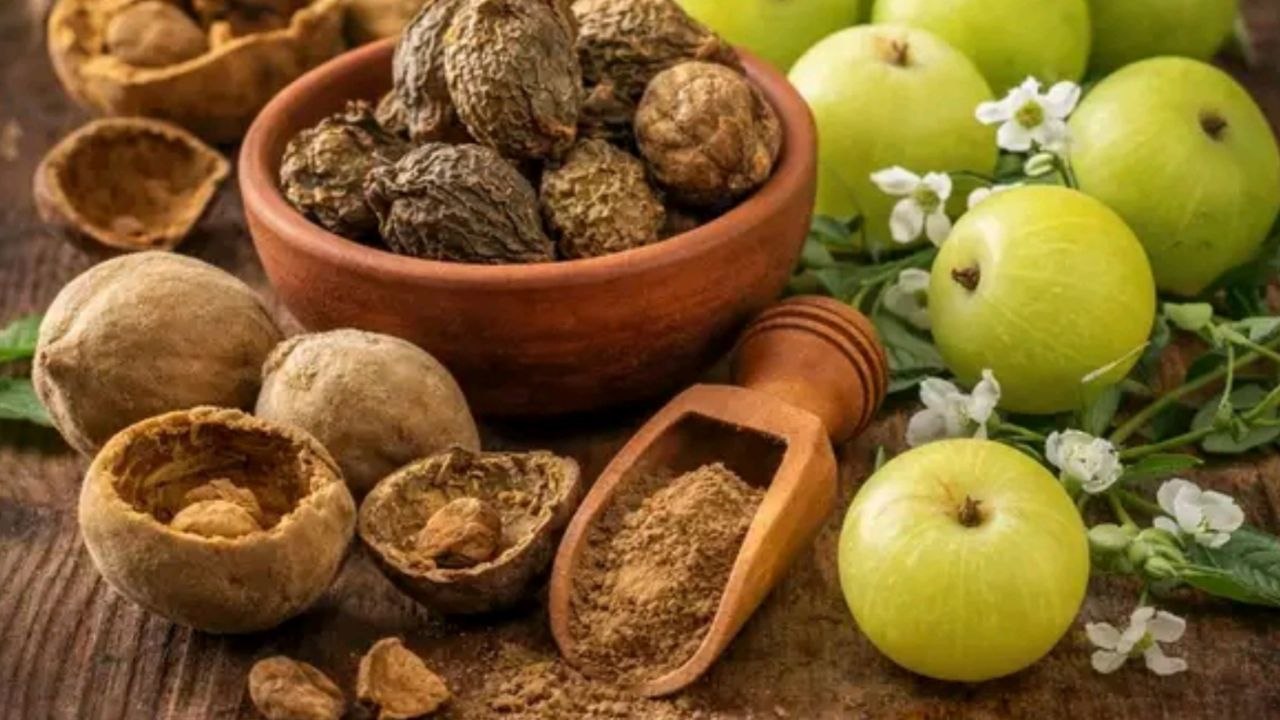
Triphala is a classic blend of three fruits: haritaki, amalaki (amla) and bibhitaki. It is one of the most common Ayurvedic formulas for digestion and gentle cleansing. People usually take it as a powder or tablet with warm water before bed. Like haritaki, it can loosen the stomach, so begin with a small amount.
Discover More Stories Worth Your Time
Explore Avengers’ Box Office Journey?
Discover how Avengers: Endgame performed worldwide, including domestic and re-release earnings.
Discover 5 Hilsa Recipes To Try?
Explore five delicious ways to enjoy Bangladesh’s iconic hilsa before the season ends.
See How Cox’s Bazar Airport Expands?
Learn how the new terminal supports Bangladesh’s growing aviation ambitions and regional connectivity.
Uncover What Happens After Islands?
Discover how mangroves could become the first colonisers when new land emerges in the Sundarbans.
Check Why Rooppur Shipment Was Disrupted?
Explore how Pakistan’s airspace clearance decision affected the planned nuclear fuel shipment to Bangladesh.
How to Use These Herbs Safely
- Start with small amounts and see how your body reacts.
- Pregnant or breastfeeding women, children and people with long-term conditions should speak to a doctor first. This matters especially for ashwagandha, shatavari, basok, arjun and turmeric supplements.
- If you take regular medicines, such as blood thinners, thyroid, heart or blood pressure medication, check with your doctor before adding herbs.
- Haritaki and triphala can cause loose stools, so do not use them for long periods without advice.
- Buy from trusted sellers, and do not use herbs in place of medical care when you are sick.
FAQs
Can I take all these herbs together?
It is better to start with one or two. Adding many at once makes it hard to know what works or causes a problem.
Which herbs are best for cold and cough?
Tulsi, ginger and basok are traditionally used for this. Basok should be taken with guidance.
Which herbs are traditionally used for digestion?
Haritaki and triphala are the classic choices, and ginger and thankuni are also common.
Are these herbs safe for daily use?
Food-type herbs like ginger, tulsi and thankuni are commonly used every day. Stronger ones like ashwagandha, arjun, basok and triphala are better used with advice.
Do these herbs replace medicine?
No. They are traditional support, not a substitute for a doctor’s care.