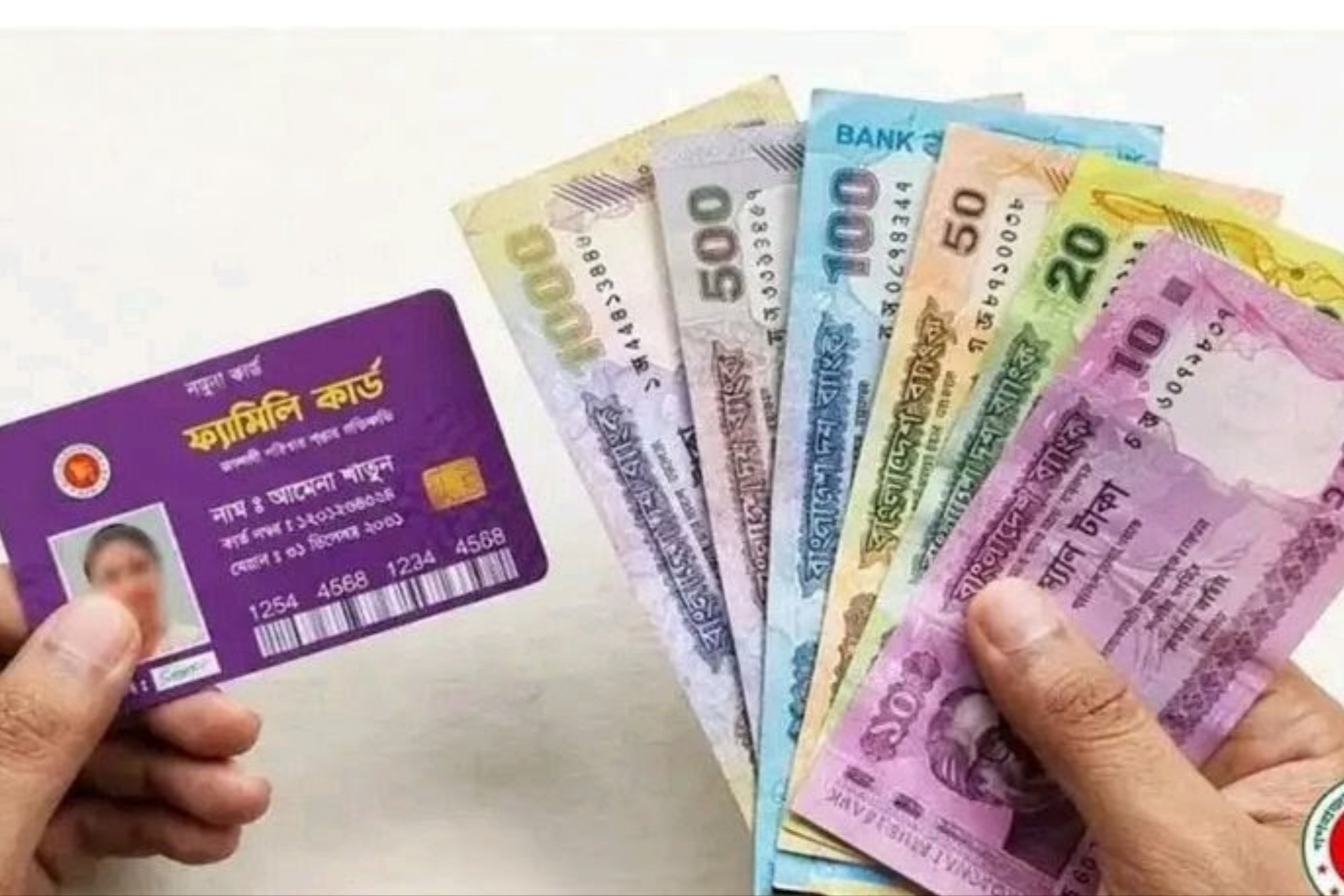
The Family Card Scheme has been expanded considerably, to some 4.1 million households, as part of a wider social protection drive to help low-income families. The programme will provide cash benefits and basic welfare assistance to socio-economically disadvantaged groups against rising costs of living.
The expansion is part of a broader effort to improve efficiency in targeting and ensure financial assistance reaches the most deserving families through a central digital database, officials said.
What Is the Family Card Scheme?
The Family Card Scheme is a welfare scheme that combines various social assistance schemes into a single identification. Instead of applying for different subsidies separately, the eligible households are put in one database, which allows direct benefit transfer (DBT) and other help.
The plan seeks to make financial assistance more transparent, less duplicative and faster to deliver.
Eligibility for the Family Card
Eligibility based on household status and socio-economic condition. Criteria vary by region but may include:
- Household below the poverty level or low income
- No government jobs in the family
- Limited or no ownership of luxury assets
- Priority is given to vulnerable households or women-headed households
- Families not currently receiving these major pensions or benefits from the government
Generally, households are screened by data validation and the Socioeconomic Scoring System, which identifies the most financially vulnerable families.
How Cash Aid Works
Financial assistance is provided to the eligible families directly in their bank accounts, either on a monthly or periodic basis. The amount may differ depending on the allocation of the government and household category.
Most of the time, money is disbursed through computer systems to maintain transparency and prevent leakages. Additional support may also come in the form of subsidised food items or essential goods for some households, depending on local implementation policies.
How to Tell If Your Household Is Covered
Those who wish to apply for the families can check their eligibility on the official government portals or at the local administrative offices. The process typically involves:
- National ID or household data verification
- Checking in Kartu Keluarga
- Local welfare office verification
- SMS or digital notification (pilot areas)
If your household is not listed, you may be required to provide income and identity documentation for review during the next enrollment cycle.
Discover More Stories Worth Your Time
Find How To Skip Approvals?
Discover how the new provisional license helps businesses avoid lengthy approval delays.
See Which Cattle Markets Trusted?
Explore the cheapest and most reliable Qurbani cattle markets across Bangladesh.
Learn How Rail Travel Speeds Up?
Discover how the new railway upgrade could cut Dhaka-Rajshahi travel time significantly.
Explore Why QR Verification Matters?
Discover why digital verification is now mandatory for all bank statements and visa processing.
Check How To Apply Visa?
Explore the complete Indian e-Visa and e-Arrival card process for May 2026 applicants.
The Importance
The Family Card Scheme is seen as an essential social safety net instrument impacting vulnerable groups from inflation and increasing costs of living. It reduces poverty pressure by directly supporting the household financially without any intermediaries.
The experts also believe the unified welfare systems will lead to greater long-term efficiency in public distribution and prevent duplication of benefits across different schemes.
Final Thoughts
“The Family Card Scheme is being extended to 4.1 million households, which is a significant stride in increasing the coverage of social welfare. If implemented right, it could offer timely financial relief to millions of families struggling and make the distribution of benefits more transparent and data-driven.
Summary
The Family Card Scheme has been expanded to cover 4.1 million households, offering cash assistance and welfare support to low-income families. Eligibility is based on income level, asset ownership, and socio-economic vulnerability. Families can check their status through official databases or local offices, and approved beneficiaries receive direct cash transfers into their bank accounts.