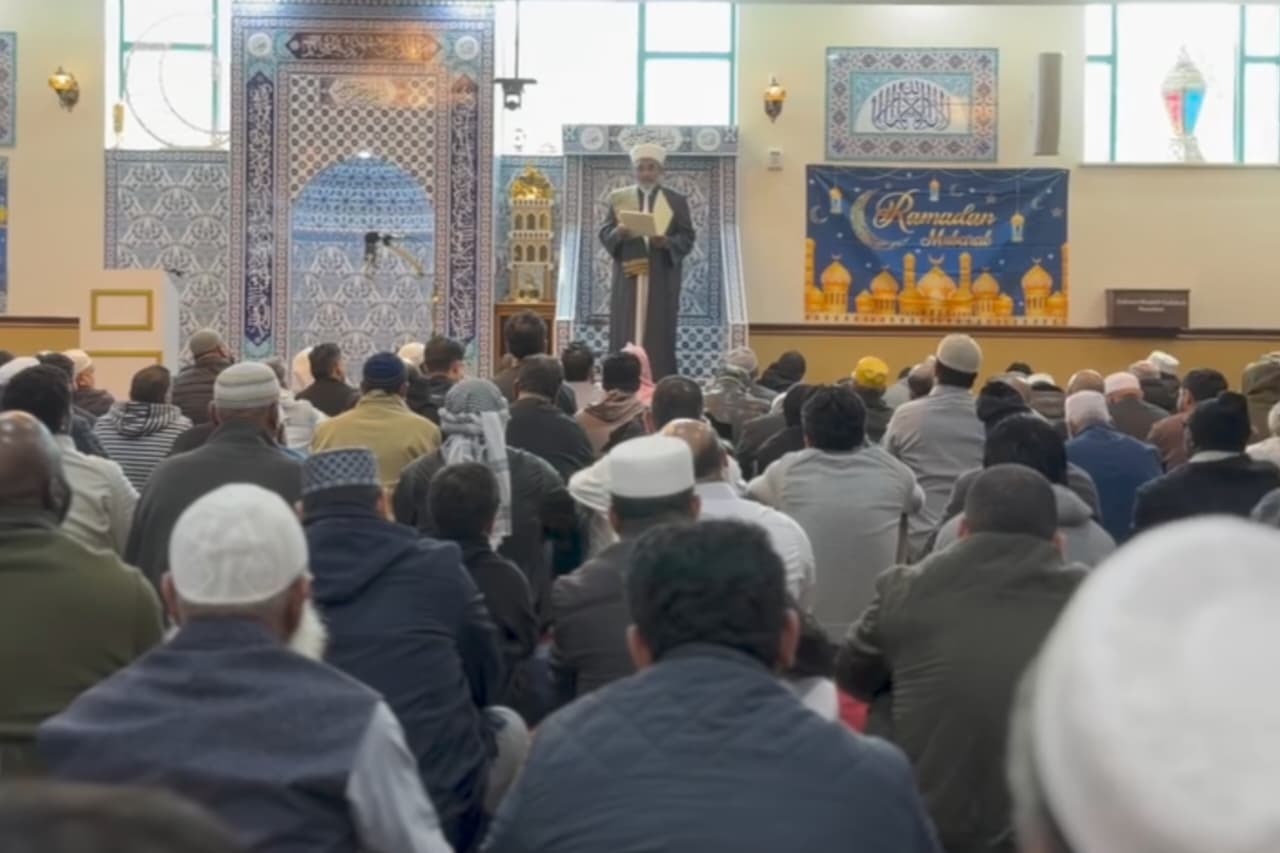
One of Islam’s holiest nights is Laylat al-Qadr (the Night of Power), which is in the last ten days of Ramadan (the 21st, 23rd, 25th, 27th, or 29th). The spiritual reward for good deeds on Laylat al-Qadr is greater than one thousand months, so be sure you are spiritually and physically prepared to maximise the benefits of this special night. Here are some things you can do to spiritually prepare:
Preparation
• You should have a ghusl to purify yourself before sunset on the day of Laylat al-Qadr.
• If possible, enter into an i’tikaf at a mosque or in a secluded place in your home to focus entirely on worship.
• Try to fast during the day to prepare yourself for this night.
Worshipping
Start with Taraweeh prayer after Isha for 8-20 rak’ahs. The reward for each letter recited in prayer on Laylat al-Qadr is greater than 83 years!
After Taraweeh, do Qiyam al-Layl (Tahajjud), where you stand in voluntary prayers until Fajr. Greet each odd rak’ah and end with Witr prayer if you are sincere – all of your previous sins will be forgiven through Witr!
Recitation of the Qur’an
Take time to read through much of the Sections of the Qur’an on the night of Laylatul Qadr (the Night of Decree), specifically Surah Al-Qadr (Chapter 97). Reading the Qur’an on this night is also significant as it connects with the time of the revelation to the Prophet Muhammad (صلى الله عليه وسلم). You can complete as much as one section (juz) in one reading, with a focus on your understanding and contemplation of the verses, rather than rushing through the reading.
Supplications, Dhikr (remembrance of Allah), and Charity
Recite the Prophet Muhammad’s supplication (du’a): “Allahumma innaka ‘afuwwun tuhibbul ‘afwa fa’fu ‘anni”, which translates to “O Allah, You are Most Forgiving, and You Love to Forgive, so forgive me”. Constantly remember Allah through dhikr, which can include repetitive phrases such as “SubhanAllah”, “Alhamdulillah”, “Allahu Akbar”, and make du’as for forgiveness, family and ummah (the global Muslim community). Be generous with giving to those in need, as well as doing additional nafl (non-obligatory) prayers. Look for signs on Laylatul Qadr, such as peace of mind and ease in worship until the time of fajr (dawn).
By devoting yourself to these actions on Laylatul Qadr, you can receive what Allah has prepared for you in terms of His immense spiritual rewards, forgiveness and mercy on this blessed night.
FAQs
When do people celebrate Laylat al-Qadr?
Laylat al-Qadr happens during the last ten nights of Ramadan, usually on odd nights like the 21st, 23rd, 25th, 27th, or 29th.
What are the most important things to do tonight?
Do ghusl, i’tikaf, fast during the day, pray Taraweeh and Tahajjud, read the Qur’an, make dhikr and supplications, give to charity, and do nafl prayers.
What does it mean to read Surah Al-Qadr?
This night is when the Qur’an was revealed, and Surah Al-Qadr remembers that. Thinking about it connects worshippers directly to the blessings of Laylat al-Qadr.
Can women do i’tikaf at home?
Yes, women can do i’tikaf at home with their family, which helps them focus on worship and being alone.
What dua do you recommend for Laylat al-Qadr?
The Prophet (peace be upon him) said, “Allahumma innaka ‘afuwwun tuhibbul ‘afwa fa’fu ‘anni,” which means “Oh Allah, please forgive me and let me go.”
Read Also: Silk, Style & Clicks: Ultimate Guide to online shopping at Kay Kraft Bangladesh