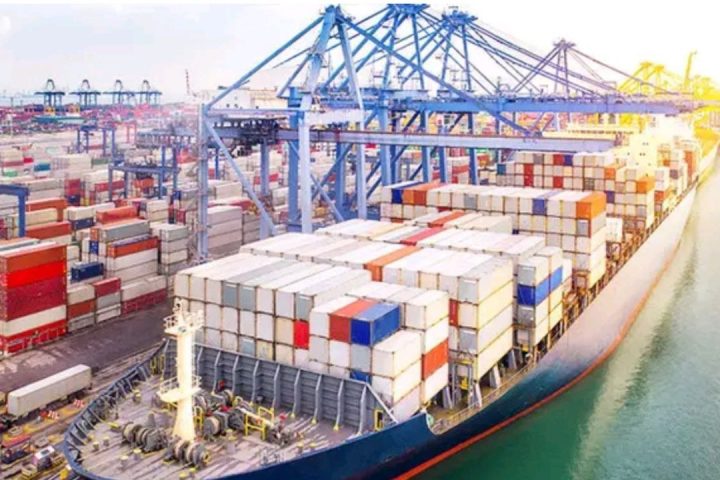
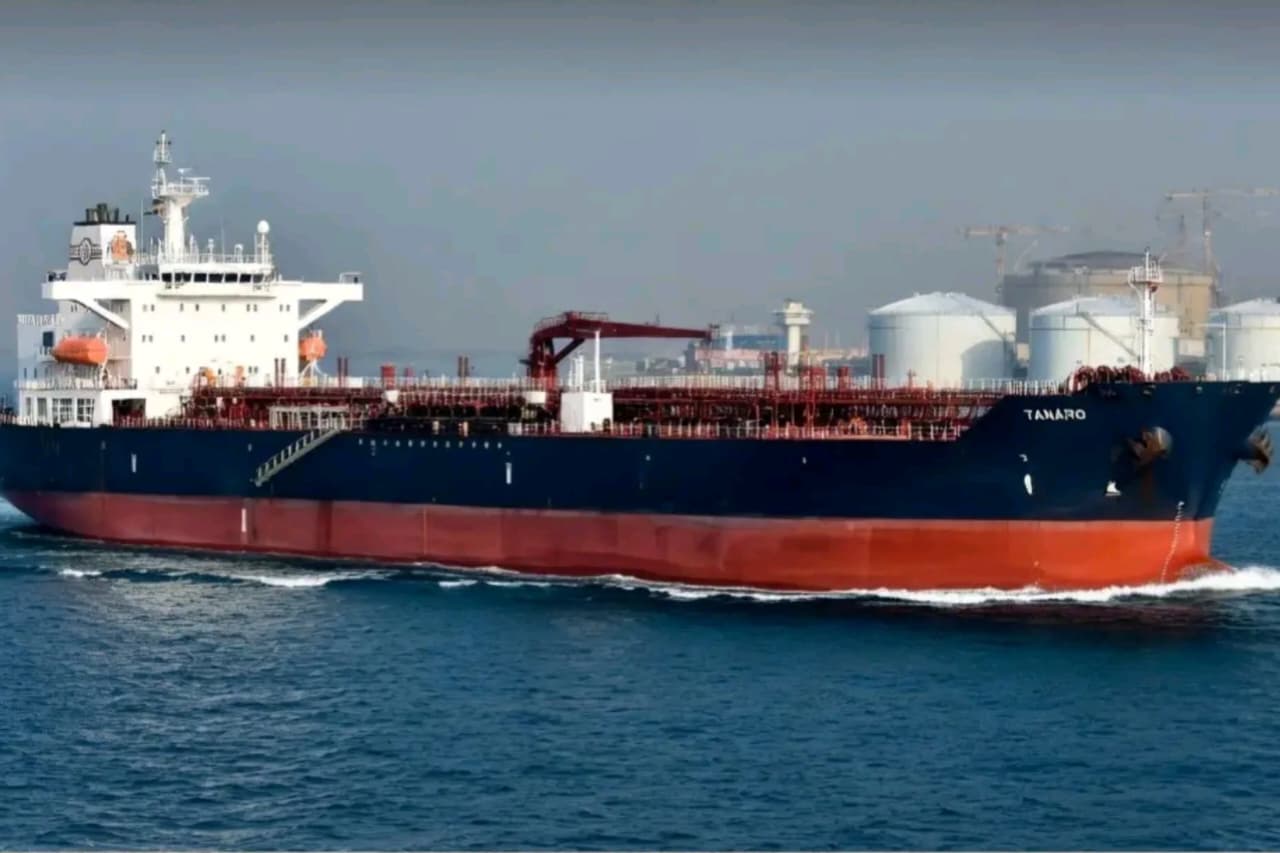
Operations at Chattogram Port are nearly at a standstill due to a severe diesel shortage crippling the country’s supply chain. Lighter vessels have been particularly affected by this crisis, as lighter vessels are critical in transferring cargo from large mother ships.
As of April 18th, 2026, only about five per cent (about 90 out of 2000) of the fleet is still operational. This has caused delays, increased costs, and contributed to the overall fuel shortage issue within the ports of Bangladesh.
The ongoing port fuel shortage in Bangladesh is caused by an extreme mismatch in diesel supply and demand throughout Bangladesh.
Diesel demand is estimated to be about 250,000 litres per day, while the current supply is estimated to be about 60,000-70,000 litres or about 25% of the total demand.
There is a severe shortage of fuel available to fuel the operation of lighter vessels, which has effectively crippled the entire supply chain of marine logistics.
Operational Breakdown: Lighter Vessel Crisis Chattogram
Due to the ongoing crisis at the Chattogram Port, the pace of cargo handling has slowed dramatically; longer than 12-15 days to complete discharge from the ship when previously it took just 5-7 days, there are reports of containers still sitting on ships that have been docked for over three weeks or not being able to load and return to port for new shipments. With operations at a standstill, there has been a spillover effect on other aspects of logistics and trade, resulting in significant interruptions of inventories.
Discover More Stories Worth Your Time
Explore Why Fishing Ban Matters?
Discover how the 58-day restriction aims to protect marine life in the Bay of Bengal.
Check Can Chia Burn Fat?
Explore how this simple superfood may support effective and sustainable weight loss.
See How 19-Year Case Ended?
Discover how the long-running Gamcha Party case concluded with multiple convictions in Chattogram.
Find What Caused Sea Tragedy?
Explore details behind the Andaman Sea disaster feared to have claimed hundreds of lives.
Learn Why Measles Cases Rising?
Discover how the outbreak has crossed 100 deaths and triggered nationwide emergency vaccinations.
Impact on the Economy: Higher Demurrage Costs and Trade Inefficiencies
The delays of cargo being processed through Chattogram Port have resulted in substantial losses for the affected parties as follows:
Daily Demurrage Fees – Estimated between $20,000-$25,000 per ship, with the resulting additional cost being borne by both the buyer and seller;
Consequently, potential risks exist with supply chain shortages in the domestic markets.
Just prior to this recent event were major service interruptions (lighterage issues) experienced at Chattogram Port in early 2026, resulting in increased burdens to the entire trade ecosystem in Bangladesh.
Key Causes: Middle East Conflict, Fuel Supply in Bangladesh
The issue of the fuel supply crisis in Bangladesh can be traced back to global disruptions, which are predominantly caused by the ongoing conflict in the Middle East, and have had a huge negative effect on the shipping industry.
Presently, Iran is under sanctions, and thus, disputes with Iran have led to disruption in shipping routes, as well as causing problems with fuel suppliers, who have declared force majeure on any deliveries.
Other issues affecting fuel supply in Bangladesh are existing shortages of fuel at domestic depots; whereas these depots previously provided sufficient fuel for marine vessels, they are no longer able to handle the increasing demand for marine fuel.
Although the Bangladesh Water Transport Coordination Cell had raised concerns regarding a fuel shortage in January, the situation has worsened since then.
Some relief has recently been provided in the form of diesel tankers arriving at the Port of Chattogram; as of April 15, 2006, two tankers with multiple loads of diesel were scheduled to arrive at the Port of Chattogram:
– MT Torm Damini
– MT Lucia Solis
Currently, government authorities will prioritise the unloading of these two diesel tankers; however, marine fuel dealers may still have to wait several days before marine fuel is distributed back to pre-crisis levels.
What This Means for Businesses
In order for stakeholders affected by the delay in cargo at Chattogram Port to take effective action, they will need a proactive approach:
– Document all delays due to a lack of fuel supply
– Provide a formal letter to charters
– Vigilantly monitor exposure to demurrage
These actions can assist with mitigating financial risks during this ongoing disruption.
The DHL study “Shipping Crisis: A Critical Test for Bangladesh’s Trade Infrastructure”
Indicates Chattogram Port’s fuel shortage represents the fragility of global supply chains during times of geopolitical unrest. With the disruption to the flow of trade between countries and rising costs of all types of goods, the availability of fuel quickly, along with developing a long-term plan for supply and demand, will be critical.
To endure through this crisis, Bangladesh should strengthen its fuel supply chain resilience and port management reform initiatives, so they don’t allow a future crisis to occur.