In mid-April 2026, the measles outbreak currently taking place in Bangladesh has become an extreme public health crisis, resulting in at least 100 additional deaths in young children due to this disease’s resurgence. This current outbreak is partially due to ongoing political instability in the country, which has led to numerous immunisation gaps due to vaccine shortages and many children not having access to routine childhood vaccinations.
The fact that this disease is a vaccine-preventable illness makes this all the more alarming, with this disease spreading rapidly throughout some of Bangladesh’s most vulnerable populations.
Most Recent Measles Outbreak Statistics (April 15-16, 2026)
The most up-to-date statistics illustrate how serious the ongoing outbreak is:
- Total Deaths: At least 128 suspected deaths have occurred in this ongoing outbreak, of which 21 have been confirmed by laboratory testing.
- Total Number of Cases: Over 9800 cases of suspected infection among children.
- Number of Confirmed Cases: About 1400 confirmed cases of measles have occurred across Bangladesh.
Children’s Age Distributions:
- 34% of all suspected cases are in infants under 9 months of age, who are not yet eligible for routine vaccinations.
- 81% of all cases of infection have occurred among children aged less than 5 years.
These statistics indicate that very young kids are being most adversely affected by this ongoing epidemic of measles, and thus, there is an urgent need for intervention and treatment.
What Caused the Measles Resurgence?
According to health organisations and authorities around the world, there are several overlapping factors involved:
1) A shortage of vaccines
Vaccine supply chains became disrupted, which also reduced routine vaccination coverage.
2) Political instability
Political unrest in 2024 delayed immunisation programs and outreach due to the disruption of healthcare services.
3) Immunity gap
A significant number of children missed their scheduled vaccinations, creating pockets of susceptibility to the virus, where it could spread quickly.
Discover More Stories Worth Your Time
Explore How To Beat Heat?
Discover simple and effective ways to treat dehydration quickly during intense summer days.
Check How Bhapa Sandesh Turns Perfect?
Explore the step-by-step Poila Boishakh recipe for authentic homemade Bhapa Sandesh.
See Why Boishakh Culture Matters?
Discover how Chhayanaut highlights the festival’s role in preserving Bengali heritage.
Find How To Cool Home?
Explore easy DIY ways to keep your house cool without air-conditioning in hot weather.
Learn What Farmer Card Changes?
Discover how the new pre-piloting initiative may strengthen farmer support in Tangail Sadar.
Emergency vaccination campaign launched
The government, in collaboration with UNICEF, the WHO and Gavi (the Vaccine Alliance) is implementing a national measles-rubella (MR) vaccination campaign in response to the outbreak containment.
Campaign phases overview
Phase 1 (starting April 5th)
– Covers 30 upazilas in 18 high-risk districts
– Areas include critical zones such as Cox’s Bazar
– Targets > 1,200,000 children
Phase 2 (starting April 12th)
– Focused on densely populated urban areas such as:
— Dhaka North City Corporation (DNCC)
— Dhaka South City Corporation (DSCC)
Phase 3 (beginning May 3rd)
– Expands the MR vaccination campaign to all 64 districts to reach the total eligible child population in Bangladesh.
Symptoms Parents Should Never Ignore
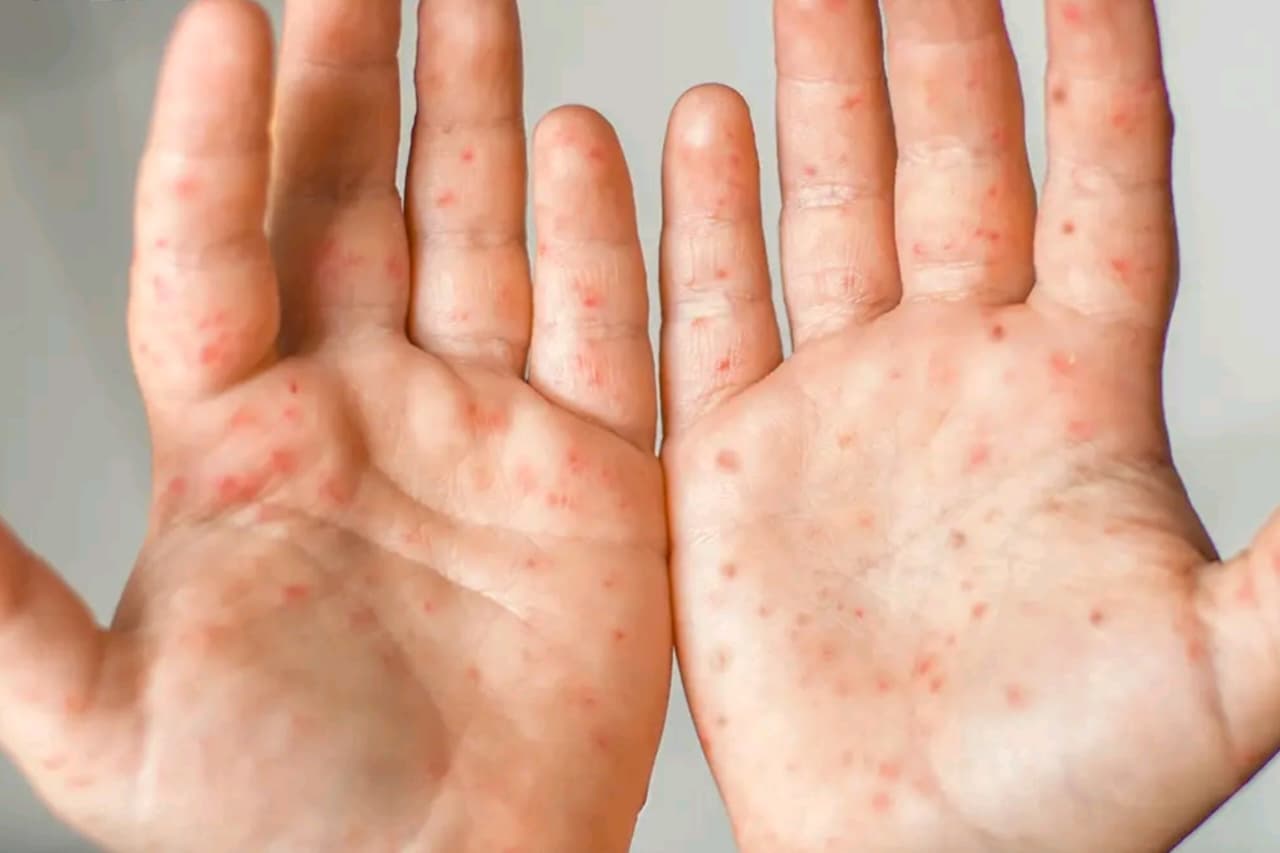
Recognising the signs of measles at an early stage increases the chances of surviving this illness. High fevers (ranging from 101°F to 104°F), a continuing cough, watery eyes with redness, a runny nose, and skin rashes that travel throughout the body are a few of the symptoms that may help a parent determine if they should take their child to the hospital or healthcare provider for medical assistance. This should be a top priority for any parent whose child displays one or more of these symptoms, as they go beyond just using over-the-counter medications.
Parents should:
1. Have their child vaccinated with the vaccine
Children 6 months old and older are recommended to have the vaccination (regardless of previous vaccinations).
2. Seek medical assistance as soon as possible after the onset of measles symptoms to avoid any further complications that could arise (i.e. pneumonia and/or brain infection).
3. Keep their child who has been diagnosed with measles isolated from other children until declared free of the disease (determined by the physician).
Healthcare System on High Alert
The hospitals in districts experiencing an outbreak are experiencing elevated patient numbers, resulting in the authorities: 1) Cancelling leave for medical staff, 2) Increasing the number of ambulances, and 3) Building temporary immunisation and treatment centres.
This outbreak emphasises an extremely important lesson: that even very short-term disruptions in vaccine programs can have lasting effects. As measles is highly contagious, if there is not a strong level of population immunity, outbreaks can escalate out of control in very short periods of time.
Take Action now and stay Informed!
As cases are increasing and children are in jeopardy, the best defence is to vaccinate in a timely manner and be informed about immunisations. All Parents and Caregivers are encouraged to be proactive in the national immunisation campaign and follow your health department’s directions closely.